
A Practical Guide to Creating Functional, Inspiring and Safe Spaces for Children
Designing a child’s bedroom is far more complex than simply choosing colourful furniture and placing a bed against a wall. A well-planned children’s bedroom must balance comfort, safety, organisation, creativity and adaptability as the child grows. Parents increasingly recognise that thoughtful bedroom layouts influence a child’s sleep patterns, study habits, emotional wellbeing and personal development.
Interior designers who specialise in family homes often note that a child’s bedroom serves multiple purposes. It is not just a sleeping area. It becomes a learning zone, play area, relaxation retreat and storage centre for clothing, toys and personal belongings. Without careful planning, these functions quickly clash, leading to cluttered rooms that are difficult for children to maintain.
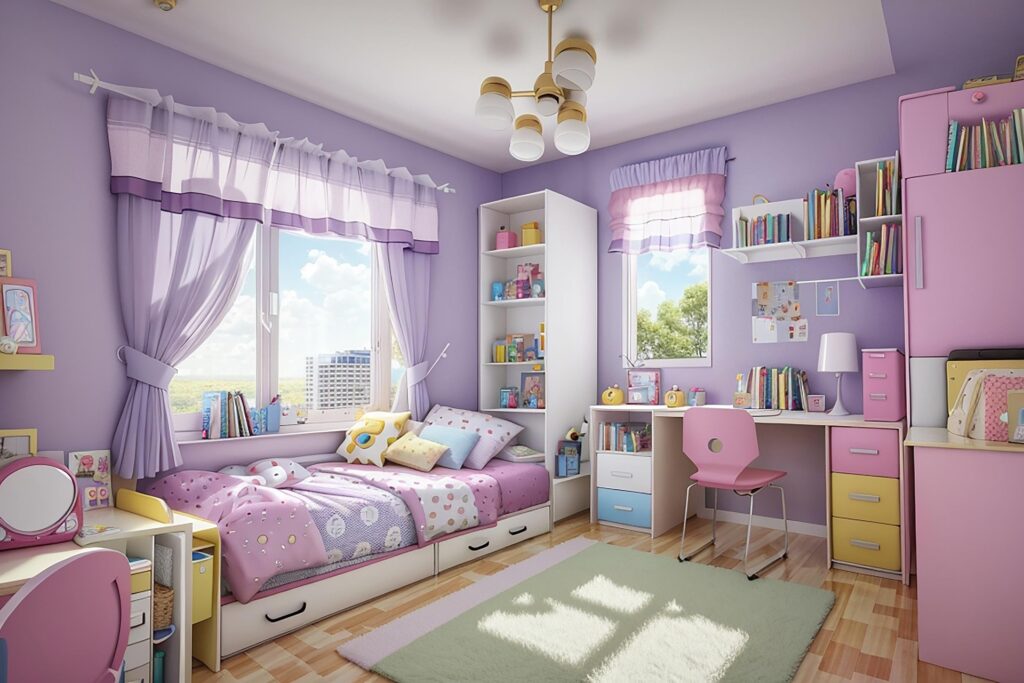
Smart bedroom layout planning addresses these challenges by organising the space into clearly defined zones that work together harmoniously. Whether the bedroom belongs to a toddler, school-aged child or teenager, the goal is to create a room that is practical, stimulating and adaptable over time.
This guide explores proven design principles used by interior designers and family-focused architects to create children’s bedrooms that are both beautiful and highly functional.
Understanding the Purpose of a Child’s Bedroom
Before moving furniture or selecting décor, it is important to understand how children actually use their bedrooms.
Unlike adult bedrooms, children’s rooms tend to accommodate a wide variety of activities. These may include:
- sleeping and relaxing
- homework and study
- imaginative play
- hobbies and creative activities
- socialising with friends
- storing clothing, toys and books
Each of these activities requires space and organisation. When everything is squeezed together without a clear layout plan, rooms become chaotic and difficult to manage.
A smart layout allows each activity to have its own designated area while still maintaining an open and welcoming environment.
Dividing the Bedroom into Functional Zones
One of the most effective design strategies is to divide the bedroom into four core zones:
- Sleep zone
- Study zone
- Storage zone
- Play or relaxation zone
This zoning approach helps children naturally associate different areas of the room with different activities.
The Sleep Zone
The bed is the most important piece of furniture in the room and should be positioned thoughtfully.
Interior designers often recommend placing the bed:
- away from the bedroom door
- against a solid wall
- near natural light but not directly beneath a window
This placement creates a feeling of security while allowing natural light to brighten the room during the day.
For younger children, beds with safety rails or low platforms are often preferable. As children grow, standard beds or bunk beds can help maximise floor space.
The Study Zone
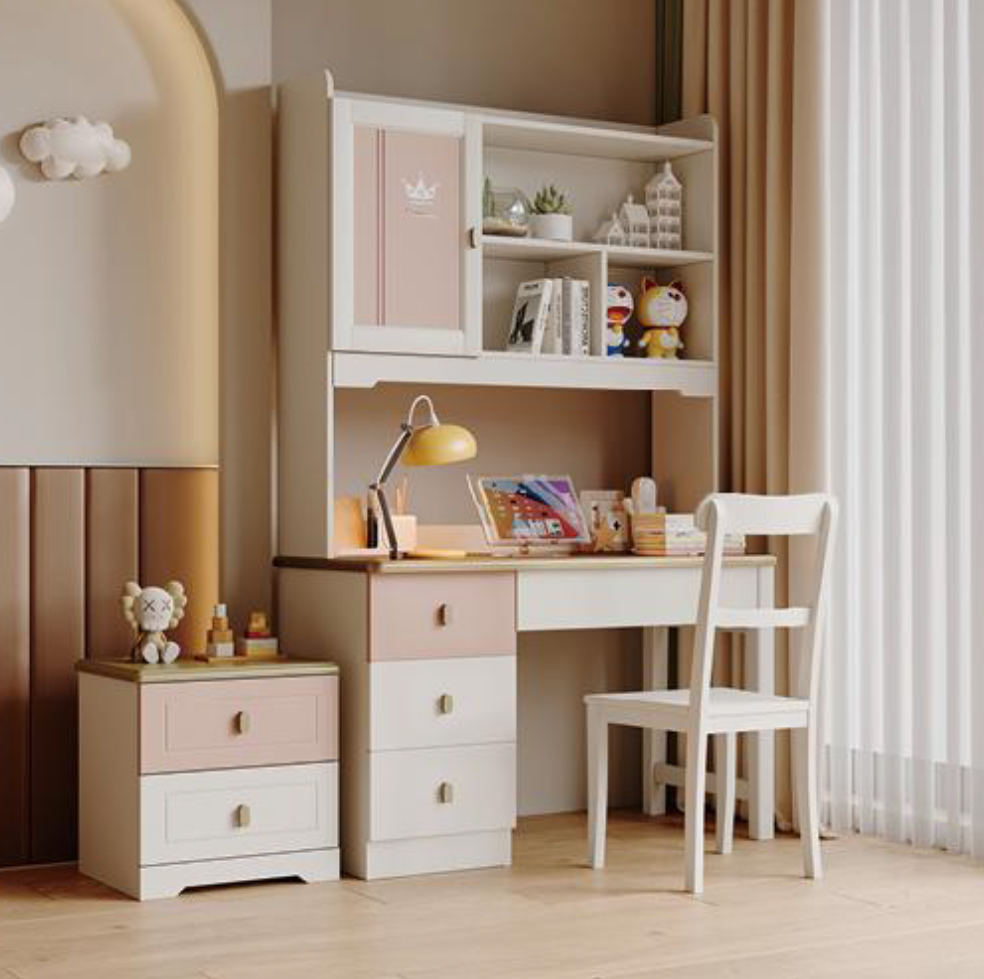
Children increasingly require a dedicated space for homework and creative learning. Even young children benefit from having a desk or small table where they can draw, read or build projects.
A well-designed study zone should include:
- a comfortable desk and chair
- good task lighting
- easy access to books and school supplies
- minimal distractions
Whenever possible, desks should be placed near a window to take advantage of natural light. Natural lighting improves concentration and reduces eye strain.
For teenagers, larger desks and organised shelving systems become essential as schoolwork increases.
The Storage Zone
Children accumulate a surprising number of belongings — clothing, toys, books, sports equipment and hobby materials.
Without proper storage planning, clutter quickly overwhelms the room.
Smart storage solutions may include:
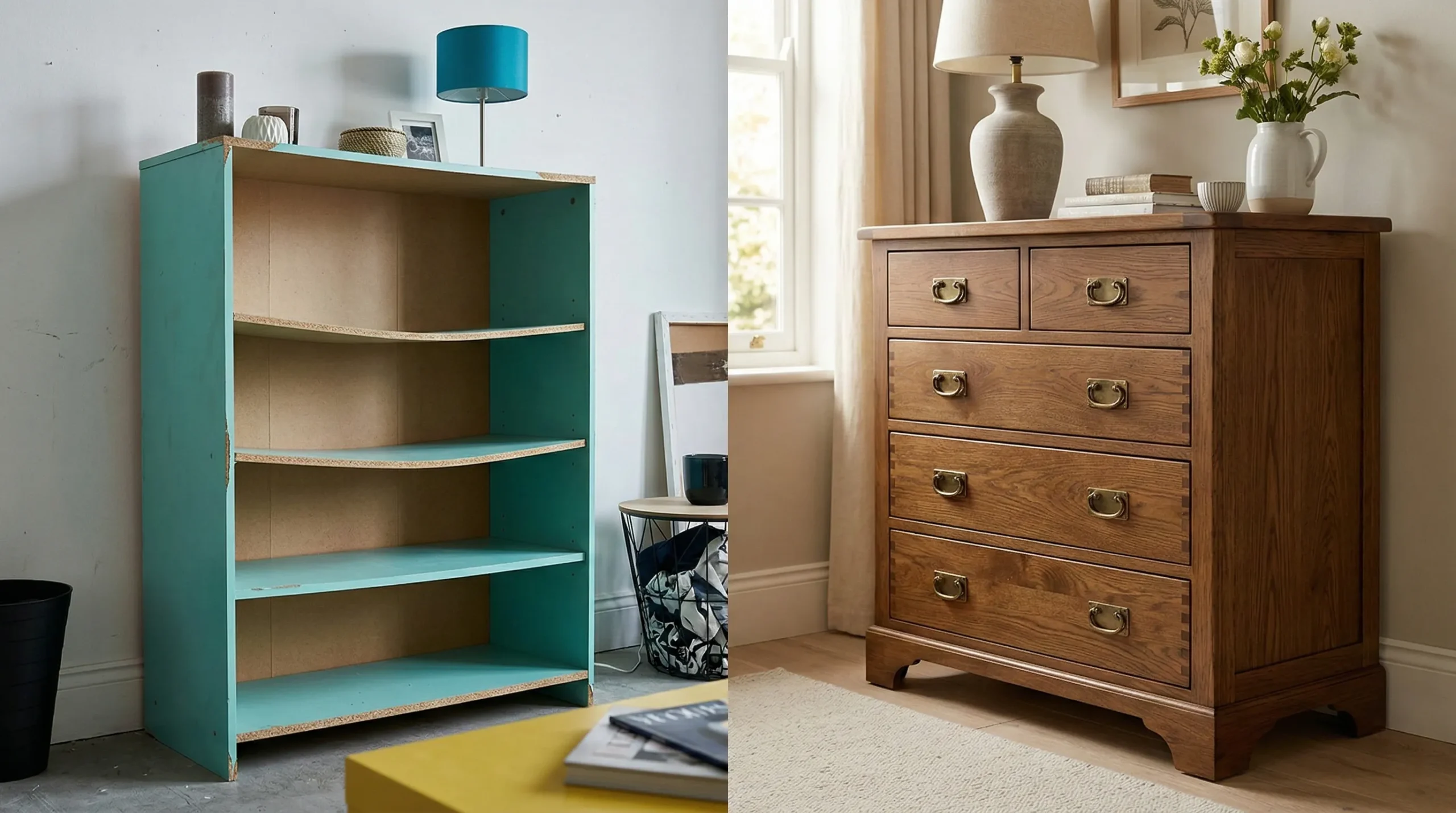
- drawer units
- shelving systems
- wardrobes with adjustable compartments
- under-bed storage boxes
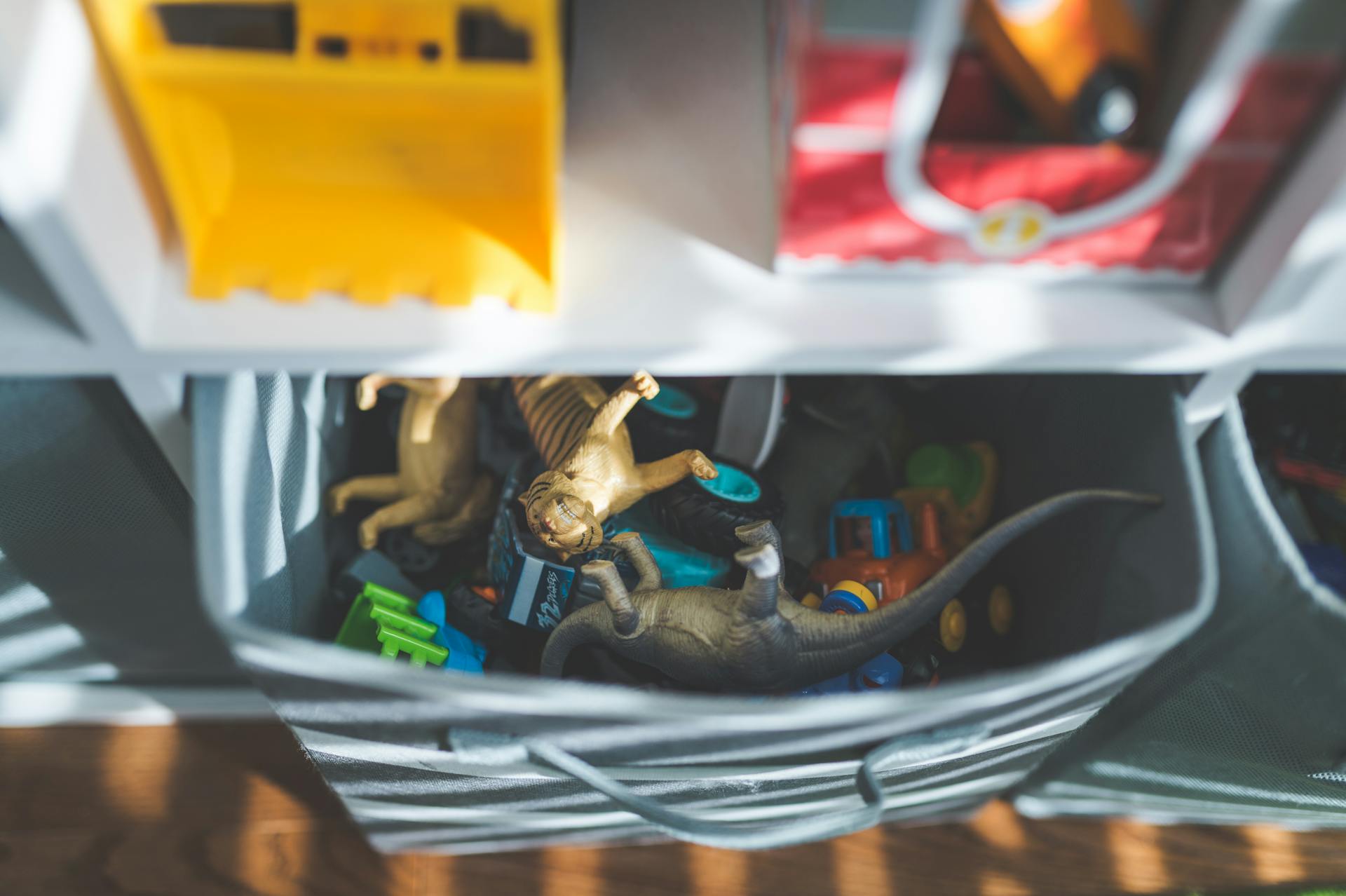
- toy chests or baskets
Low storage units are especially helpful for younger children because they encourage independence. Children can easily access their belongings and learn to tidy up after playtime.
As children grow older, wardrobes and organised drawers become more important than toy storage.
The Play and Relaxation Zone
Young children need a space where they can move freely and use their imagination.
An open play area encourages creativity and physical activity. Soft rugs or floor mats can help define this space and provide comfort during play.
For older children and teenagers, this zone may evolve into a relaxation area with:
- lounge chairs
- beanbags
- reading nooks
- music or gaming setups
Allowing children to personalise this part of the room helps create a sense of ownership and comfort.
Maximising Space in Small Bedrooms
Many family homes include bedrooms that are relatively compact. However, smart design techniques can make even small rooms feel spacious and practical.
Vertical Storage
One of the most effective strategies is to make use of vertical space. Wall-mounted shelving systems and tall cabinets provide valuable storage without consuming floor space. This keeps the room organised while maintaining an open layout.
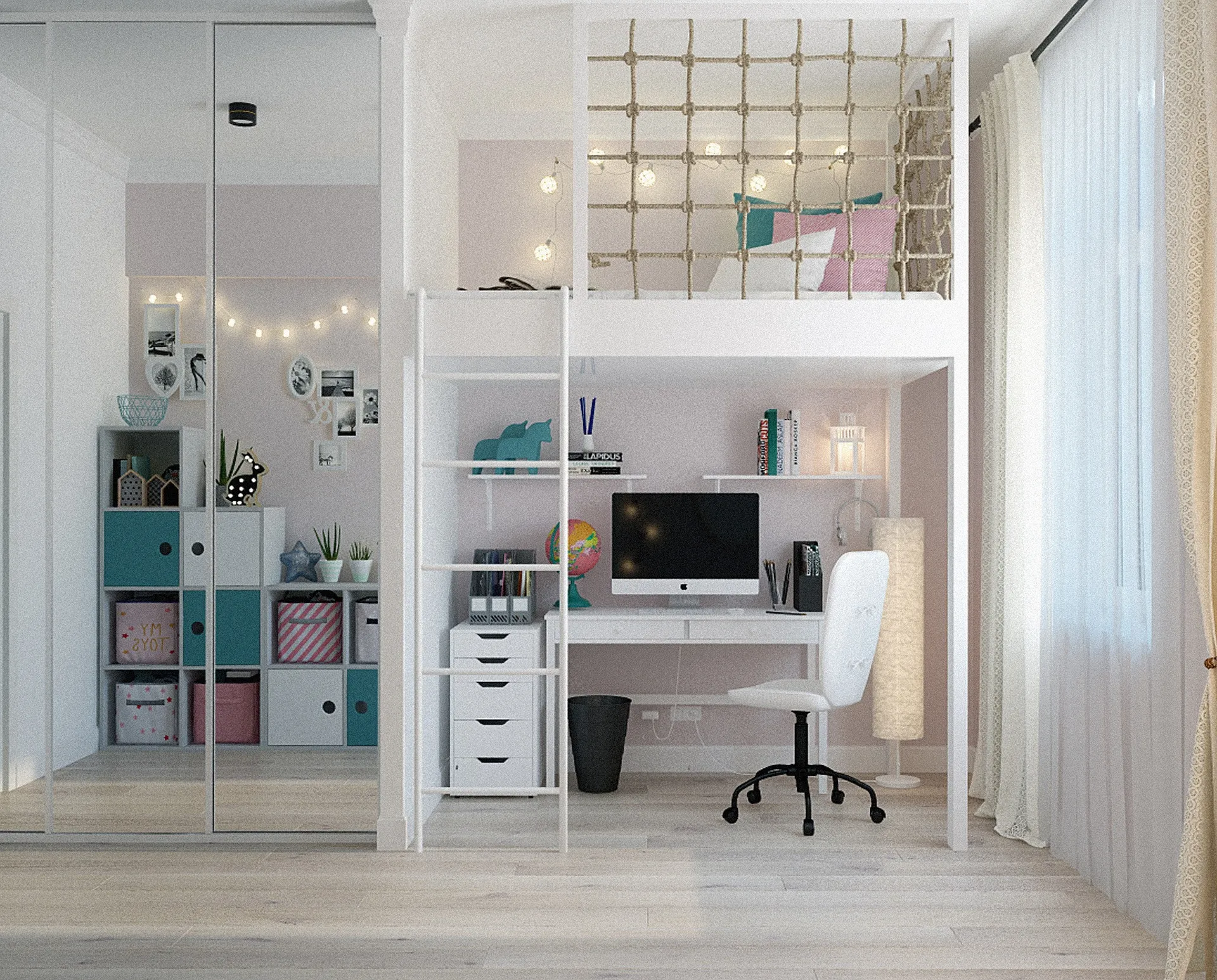
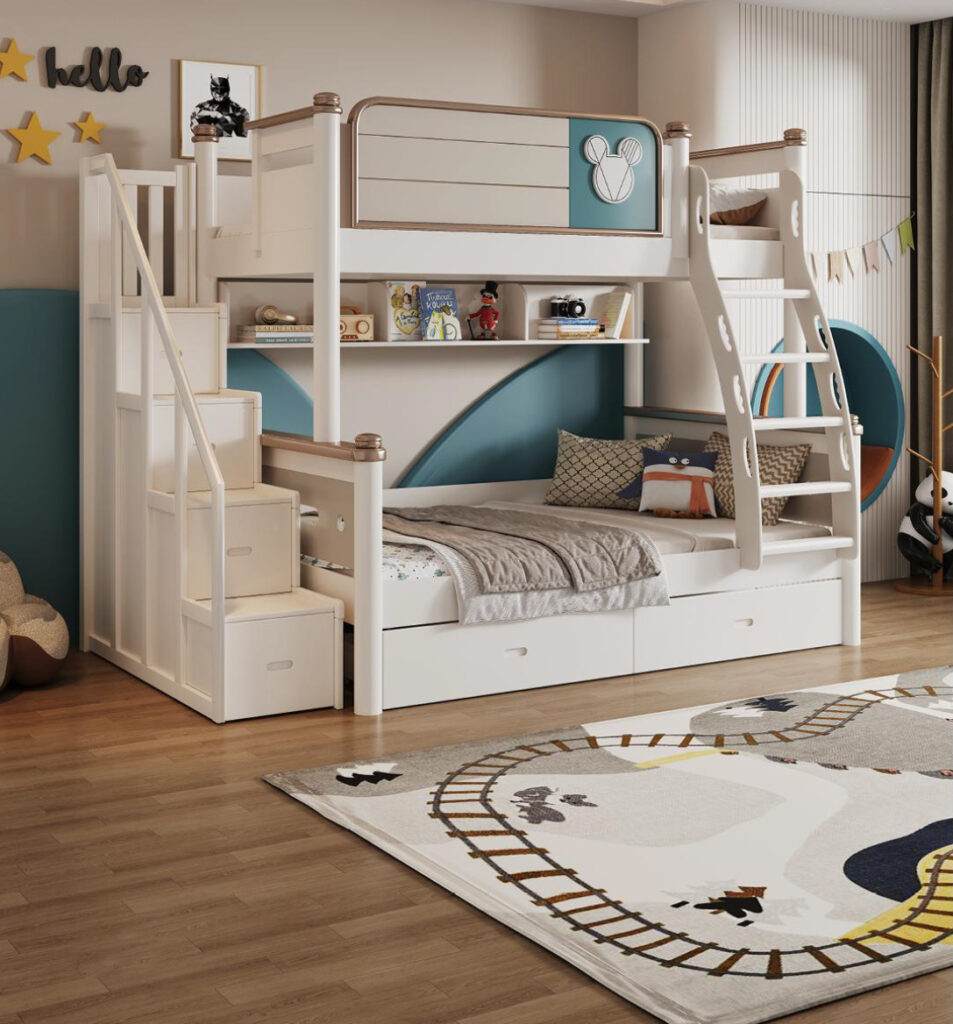
Loft Beds and Bunk Beds
Loft beds are particularly useful in small bedrooms. These elevated beds create additional space underneath that can be used for:
- desks
- reading areas
- storage units
- play zones
Bunk beds are also ideal for shared bedrooms or rooms with limited space.
Multi-Functional Furniture
Modern children’s furniture often incorporates multiple functions into a single design.
Examples include:
- beds with built-in drawers
- desks integrated with shelving
- storage benches
- convertible sofa beds
These furniture designs help maximise usability without overcrowding the room.
Creating a Safe Environment
Safety must always remain a top priority in children’s bedroom design.
Key safety considerations include:
- securing tall furniture to walls
- avoiding sharp corners on furniture
- using non-toxic finishes and paints
- ensuring electrical outlets are child-safe
- selecting stable and durable furniture
Parents should also ensure that shelving units and wardrobes cannot easily tip over if a child attempts to climb them.
Designing Bedrooms that Grow with the Child
Children’s tastes and needs change rapidly as they grow. A bedroom designed for a toddler may feel unsuitable within just a few years.
To avoid frequent and expensive redesigns, many designers recommend creating flexible spaces that can evolve with the child.
Neutral wall colours and adaptable furniture allow the room to transition smoothly from childhood to teenage years. Decorative elements such as bedding, wall art and accessories can be easily updated as preferences change.
Encouraging Creativity and Personal Expression
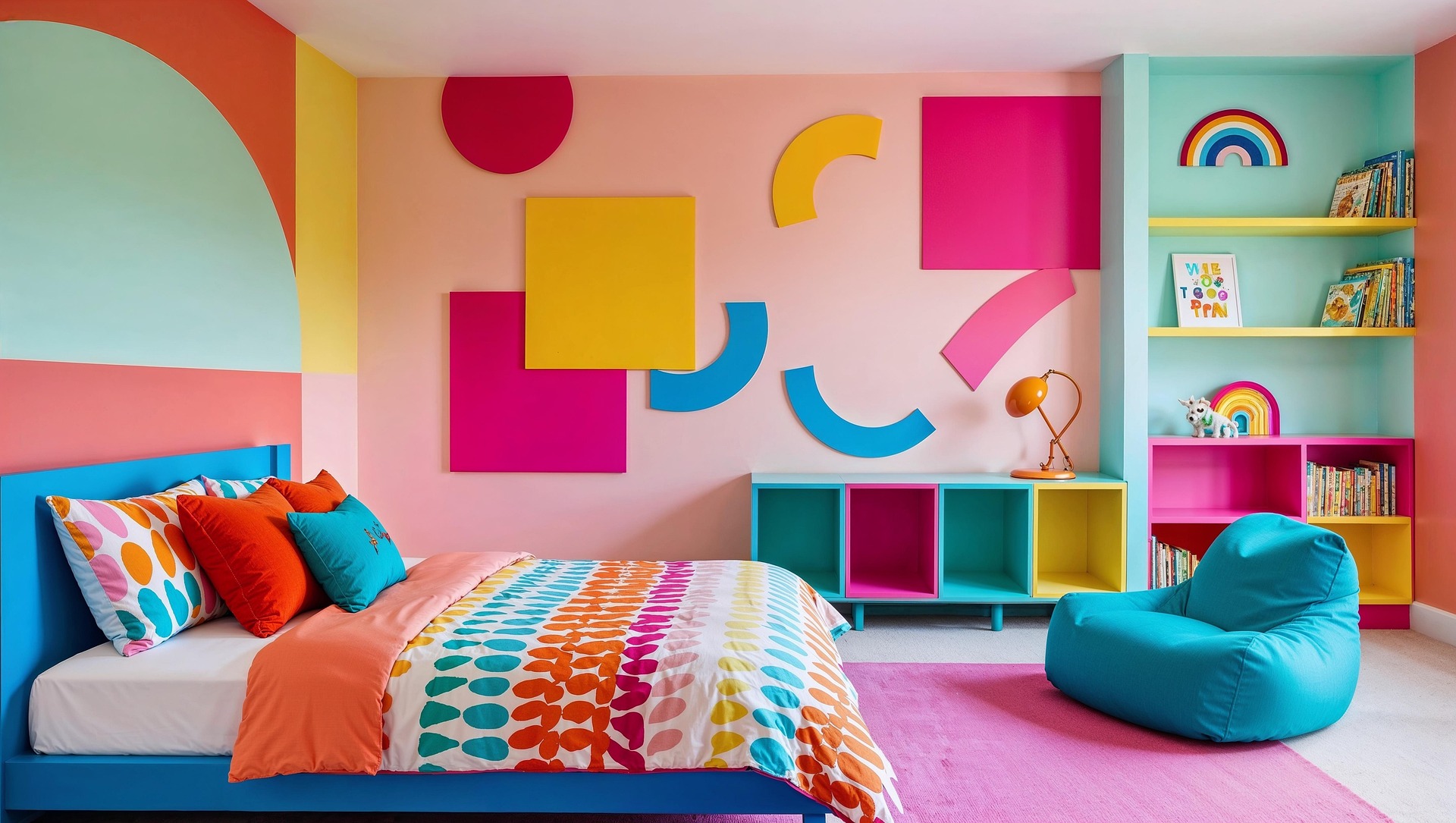
A child’s bedroom should reflect their personality and interests. Personal expression helps children feel comfortable and proud of their space.
Ways to encourage creativity include:
- display shelves for artwork
- pin boards or chalk walls
- themed décor elements
- colour accents that match the child’s interests
However, designers often recommend avoiding overly themed furniture that may quickly feel outdated.
Lighting Considerations
Lighting plays an important role in creating a comfortable and practical bedroom environment.
A well-designed children’s bedroom should include:
- natural daylight
- ambient ceiling lighting
- task lighting for study areas
- soft bedside lighting
Proper lighting helps children relax before sleep while also supporting focused study time.
Creating Calm and Restful Sleep Environments
Sleep quality is essential for healthy child development. The bedroom layout and environment should encourage relaxation and comfort.
Design strategies that support better sleep include:
- calming colours such as soft blues or greens
- comfortable mattresses
- minimal noise distractions
- reduced screen exposure before bedtime
Avoid placing televisions or gaming systems near the bed, as these can interfere with healthy sleep routines.
Shared Bedrooms: Making Space Work for Two
Many siblings share bedrooms, which introduces additional design challenges.
Successful shared bedrooms often rely on:
- clearly defined personal areas
- bunk beds or loft beds
- separate storage compartments
- coordinated colour schemes
Creating individual zones within the room helps each child maintain a sense of privacy.
The Long-Term Benefits of Smart Bedroom Design
A thoughtfully designed bedroom supports a child’s growth in multiple ways. Well-organised spaces help children develop important habits such as tidiness, responsibility and independence.
A well-planned room also encourages:
- better concentration during homework
- improved sleep routines
- creative play and imagination
- emotional comfort and security
These benefits highlight why bedroom layout design deserves careful consideration rather than being treated as an afterthought.
Conclusion
Designing a child’s bedroom requires more than decorative choices. Smart layout planning ensures that every part of the room serves a purpose while remaining safe, comfortable and adaptable.
By dividing the bedroom into functional zones, maximising storage, prioritising safety and encouraging personal expression, parents can create spaces that support children throughout every stage of their development.
A thoughtfully designed bedroom becomes more than just a place to sleep — it becomes a space where children learn, play, dream and grow.