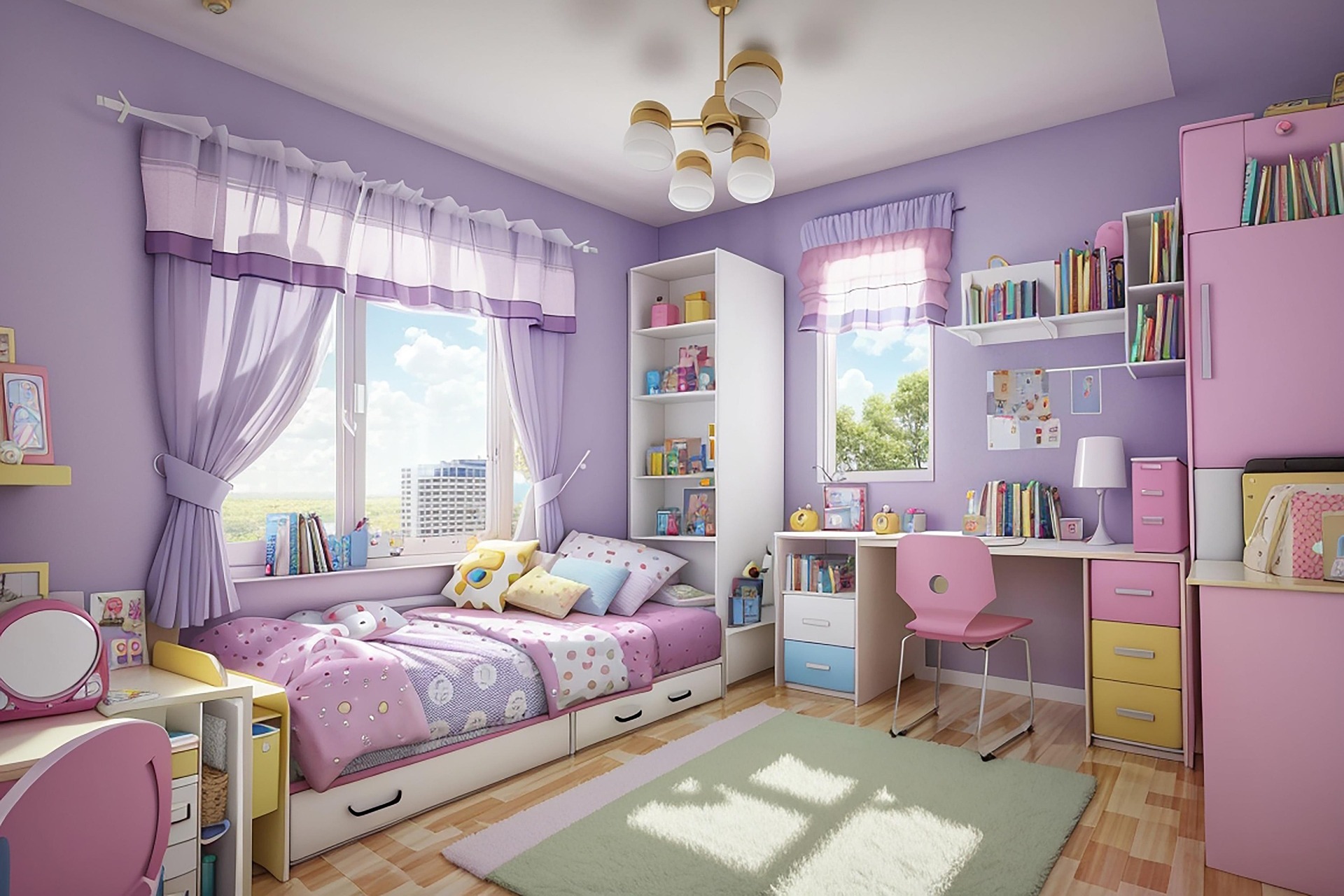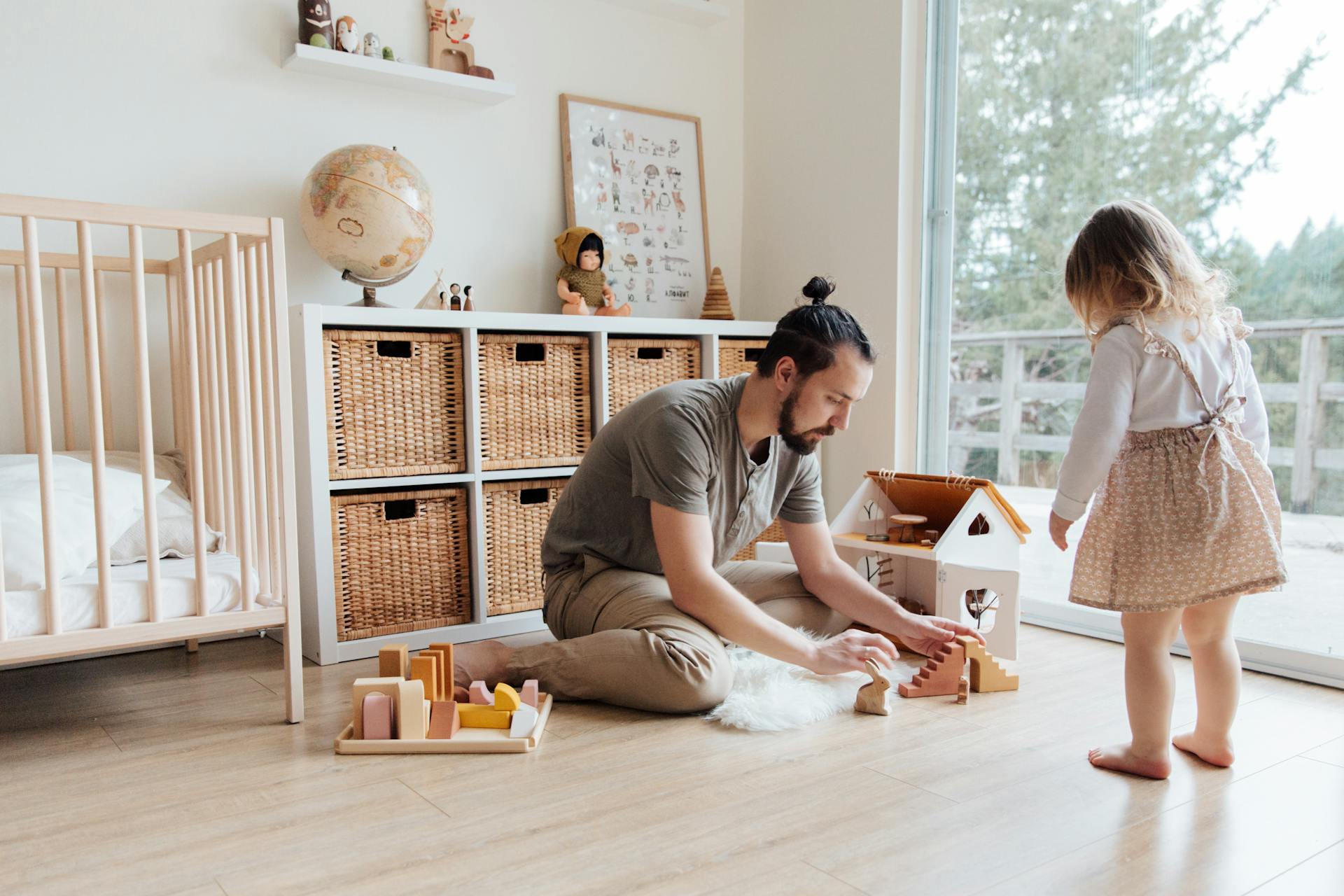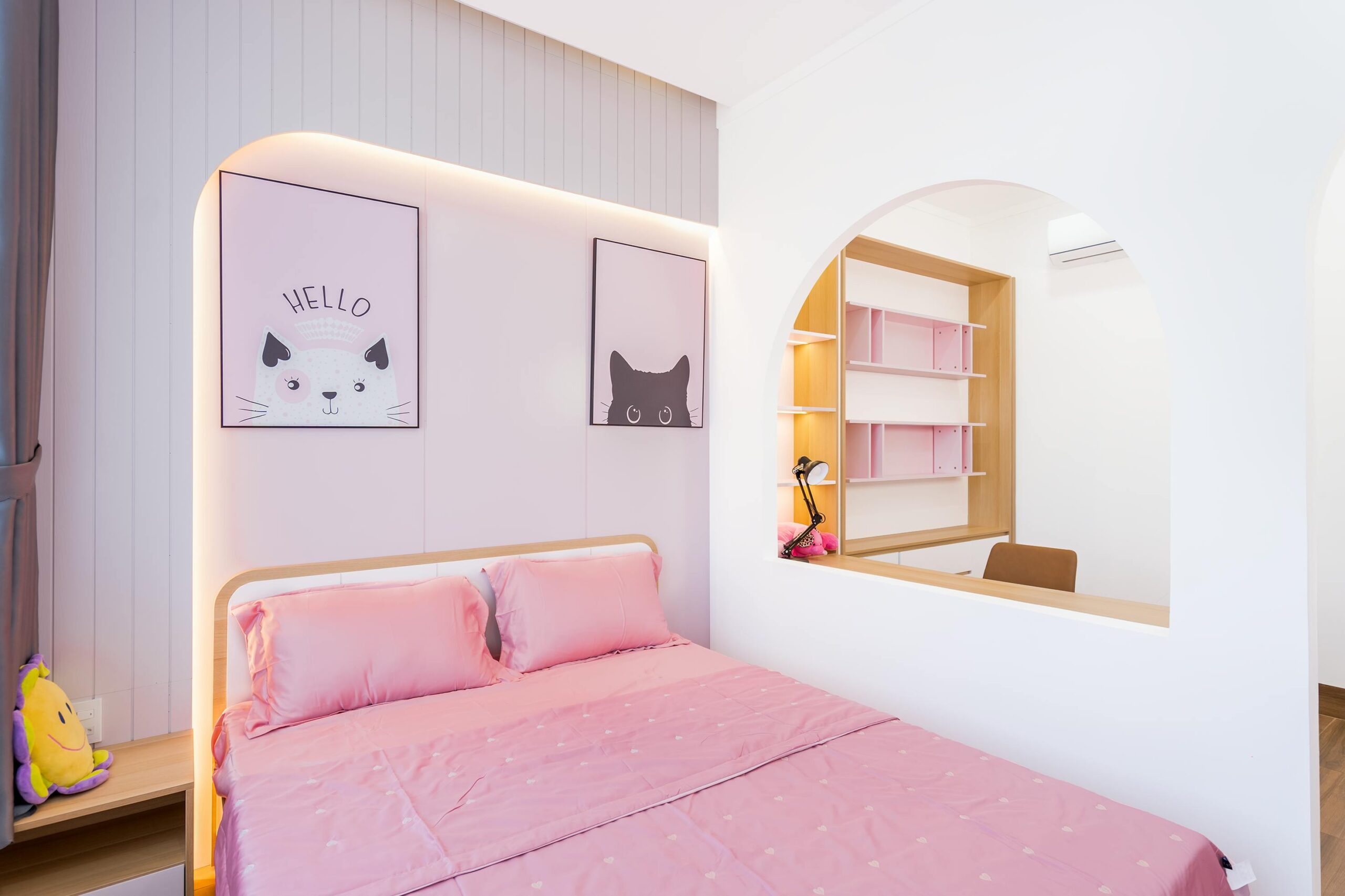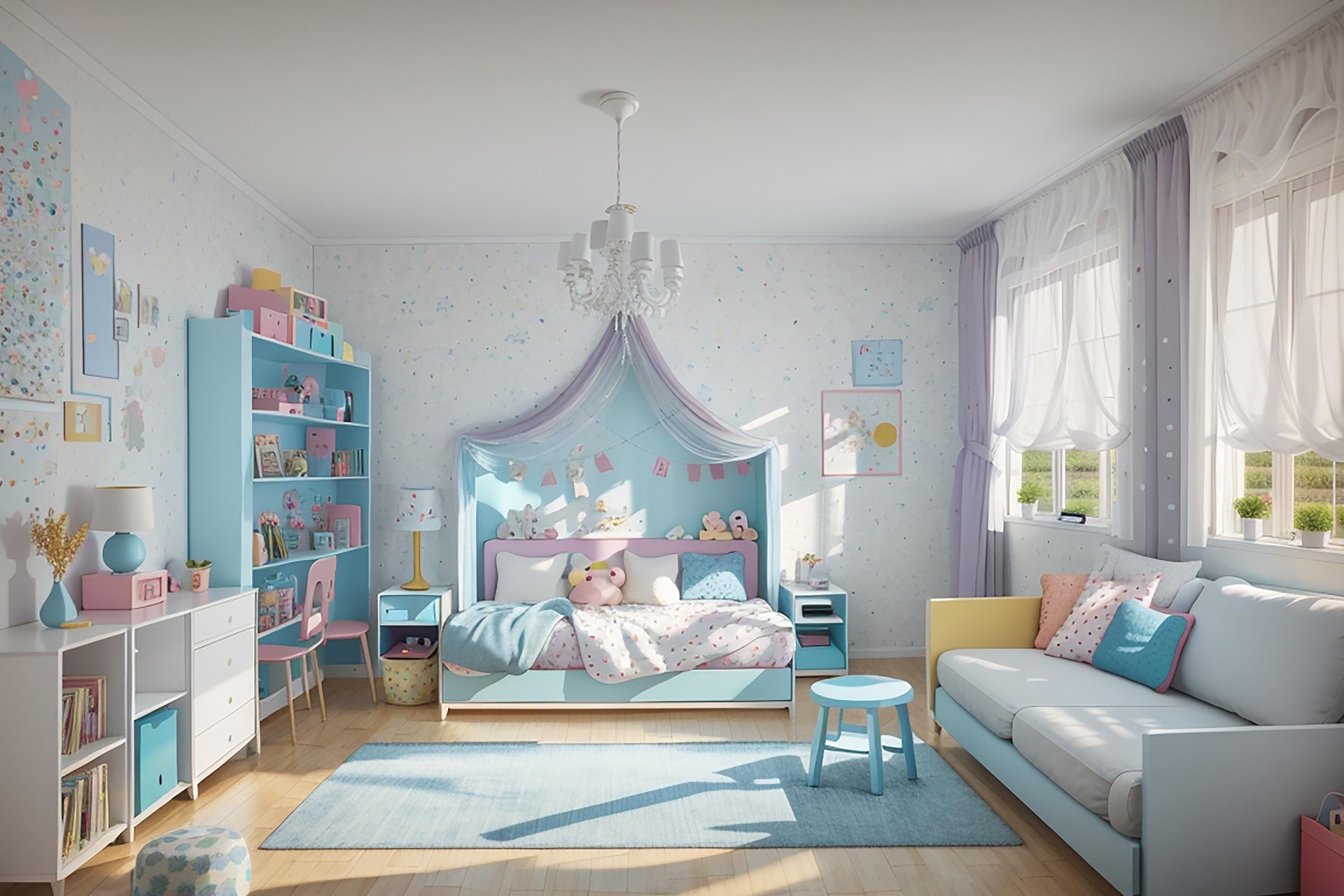
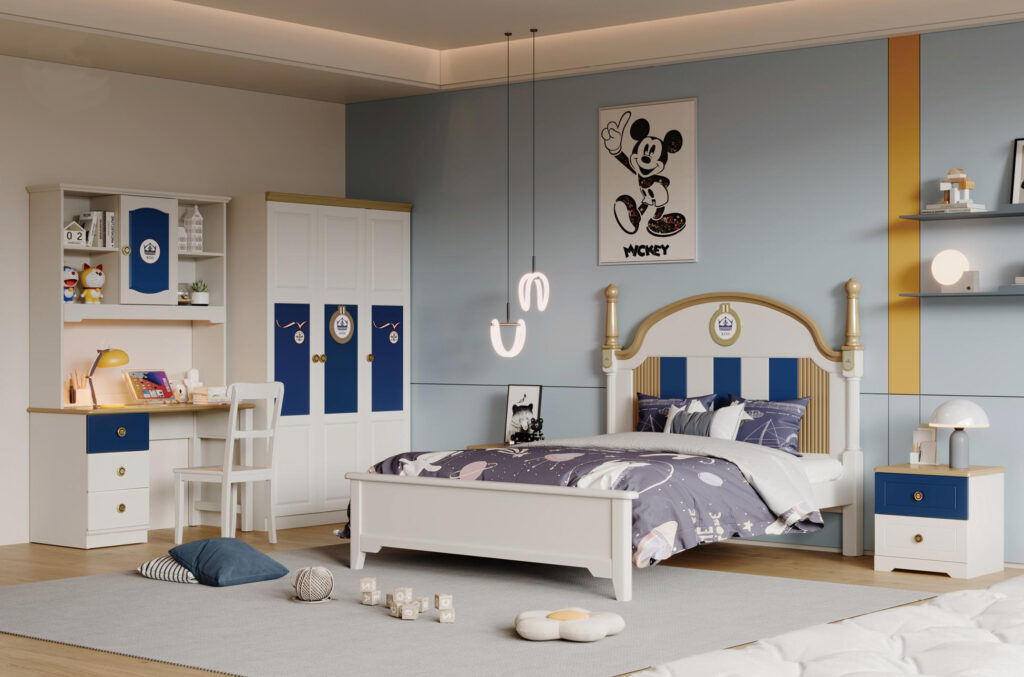

Designing a childhood bedroom around a specific theme is one of the most exciting aspects of planning a child’s personal space. Themes ignite imagination, foster identity, and make a room feel truly magical. Yet many parents worry that themed bedrooms will only last one season before becoming outdated. The truth is that a well-designed theme bedroom can grow alongside a child, evolving naturally from playful early years to more refined tastes in later childhood. This article offers a thoughtful, expert guide to creating theme bedrooms that stand the test of time, supporting emotional wellbeing, developmental needs, and everyday family life.
A theme bedroom should be more than just décor; it should be a dynamic environment that adapts as a child grows. Too many themed rooms become quickly tired because they were built around fleeting character trends or overly literal motifs. The key to longevity is thoughtful planning—starting with timeless base elements and layering age-adaptable accents that can easily be updated without needing a full redesign.
Children’s relationships with their spaces change as they mature. A three-year-old may delight in intense colour and bold imagery, while a ten-year-old will appreciate subtler sophisticated versions of the same theme. When a bedroom is designed with flexibility and developmental stages in mind, it becomes a supportive environment from toddlerhood through preadolescence.
This article explores the core principles for designing theme bedrooms that grow with a child. It delves into developmental psychology, spatial planning, colour theory, furniture selection, storage strategies, and practical ways to evolve a room as interests change. The goal is to provide parents with a reliable, timeless approach that honours a child’s creativity while enduring beyond the moment.
Understanding Developmental Stages and Bedroom Themes
Children’s cognitive and emotional development changes rapidly from early childhood into their preteen years. At ages three to five, children think concretely and are deeply engaged in imaginative play. Themes that lean into fantasy, animals, and adventure support their exploratory mindset. Between ages six and nine, children begin to refine preferences and develop hobbies. By ages ten to twelve, many children seek individuality and may prefer themes that reflect personal style, sports interests, or artistic pursuits.
A theme bedroom does not need to be confined to a narrow idea like “pirates” or “princesses.” Instead, it can embody broader narratives—such as “exploration,” “story worlds,” “nature,” or “creativity”—that grow in sophistication over time. The bedroom should serve as a stable backdrop that reflects a child’s evolving personality, not a rigid set of fixtures that become obsolete.
The Foundation: Timeless Base Elements
Every theme bedroom that stands the test of time begins with core base elements that are intentionally neutral or subtly themed. These foundational pieces ensure the room always looks cohesive, even as surface elements evolve.
Walls and Paint
Choose colours that are calming and flexible. Soft neutrals, muted greens, blues, warm greys, or sandy beiges create a versatile backdrop that accommodates evolving themes. A feature wall can introduce pattern or a gentle nod to a theme without overwhelming the space. For example, a navy skyline silhouette works equally well for a space theme, transportation theme, or night-sky motif.
Major Furniture Pieces
Invest in timeless, quality furniture. A well-built bed, dresser, and shelving set the stage for long-term use. Simple timber finishes, warm white, or soft natural stains feel fresh and sophisticated at any age. Avoid furniture that is overscaled or overly character-shaped, as these quickly feel dated.
Flooring and Rugs
Neutral or natural toned flooring provides visual continuity. A rug can introduce texture and softness, anchoring play and reading areas. Choose rugs with low-contrast patterns that won’t compete with evolving décor.
These base elements do not dictate a specific child’s interest; instead, they create a stable foundation on which themed elements can be layered and easily replaced or modified over time.
Balanced Theming: Subtle and Scalable
The most sustainable theme bedrooms are built around ideas that can shift in intensity. Rather than immersing a room entirely in a theme, employ subtle thematic hints that can be upgraded through accessories.
For example, a room inspired by “exploration” might introduce map-style wall art, constellation decals, and soft globes on shelves. As the child grows, those elements can be updated: replace constellation decals with sleek framed travel posters of real places the child wants to visit; switch soft globes for refined vintage-style globes that look mature yet still meaningful.
Similarly, a nature theme can begin with animal prints, leaf-shaped cushions, and a tree-decal feature wall. As the child ages, these can be replaced with botanical art, refined nature photography, and elegant woven baskets. The overarching narrative—nature—stays constant, but the visual language becomes more sophisticated.
Zones That Support Growth
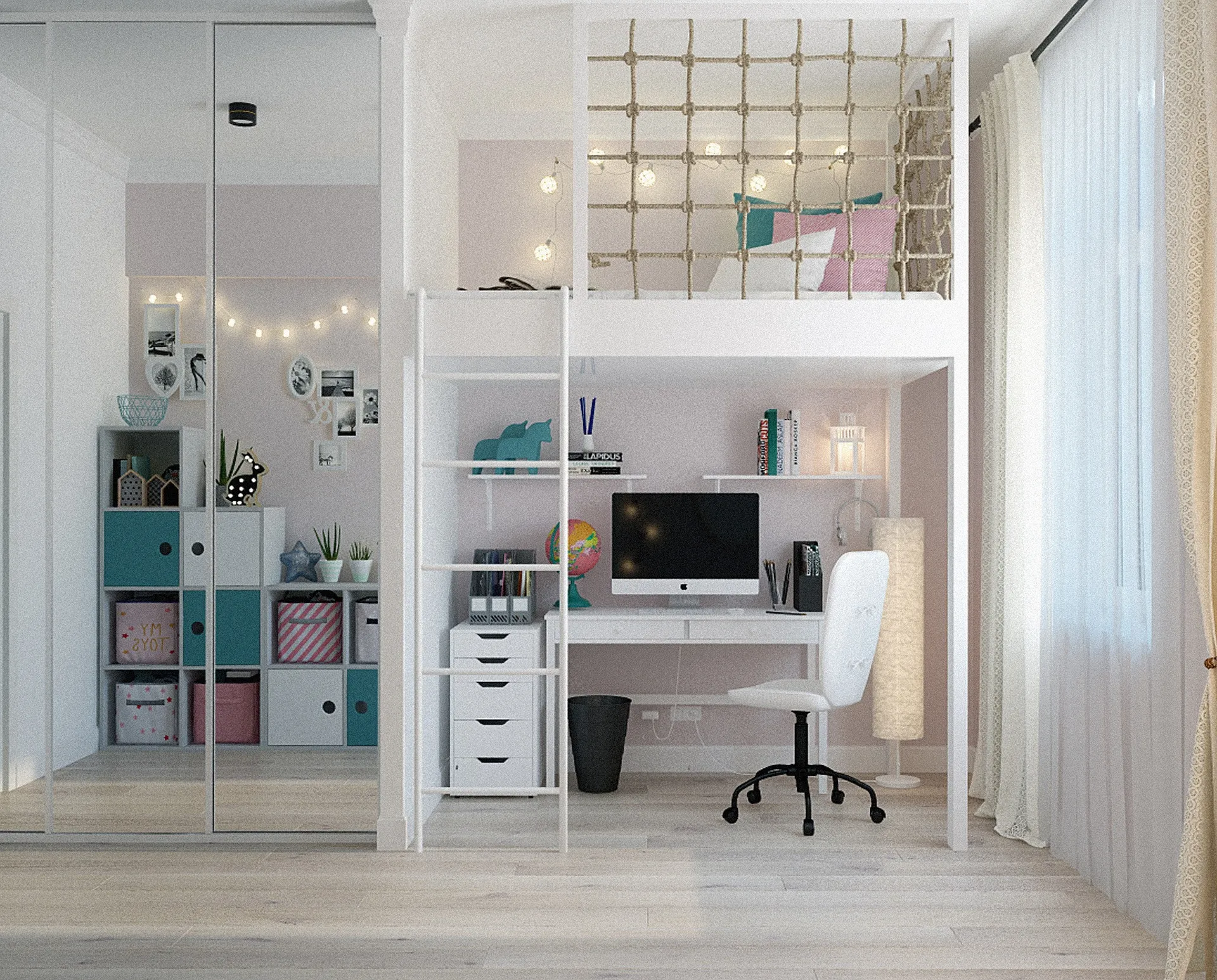
A room designed with distinct functional zones grows more harmoniously with a child’s needs. Thoughtful zoning ensures that play, rest, study, and storage are each respected and can shift emphasis as priorities change.
- Play Zone: Keep a defined open floor space with accessible toy storage at younger ages. Use soft baskets, labelled bins, or open shelving that encourages independence. As the child grows, reduce toy storage and repurpose this area as space for projects, hobbies, or creative work.
- Reading and Reflection Zone: A cozy nook with comfortable seating—such as a cushioned window seat or child-sized armchair—becomes increasingly valuable as reading habits develop. This zone can evolve into a study corner with a proper desk and lighting for older children.
- Sleep Zone: The bed remains a constant. Updating bedding, throws, and cushions aligned to evolving tastes allows continuity without costly furniture changes. Lighting in the sleep zone should support calming routines; dimmable bedside lamps encourage winding down while adjustable task lighting supports homework in later years.
- Creative Zone: Install shelves or wall grids that can display rotating artwork, trophies, collectibles, and creative projects. Floating shelves can be re-styled as interests change—from displaying stuffed animals to showcasing books, model cars, or art supplies.
Zones make the room feel purposeful. They also help minimise clutter, because each item has a logical place. Well-defined zones reduce overstimulation and support a child’s emotional regulation.
Layered Storage: Accessible Now, Relevant Later
Storage is one of the biggest design challenges in children’s bedrooms. Too much enclosed storage limits accessibility; too little invites chaos. The right approach combines lower open storage with higher enclosed storage, allowing items to be easy to reach today and neatly set aside as needs evolve.
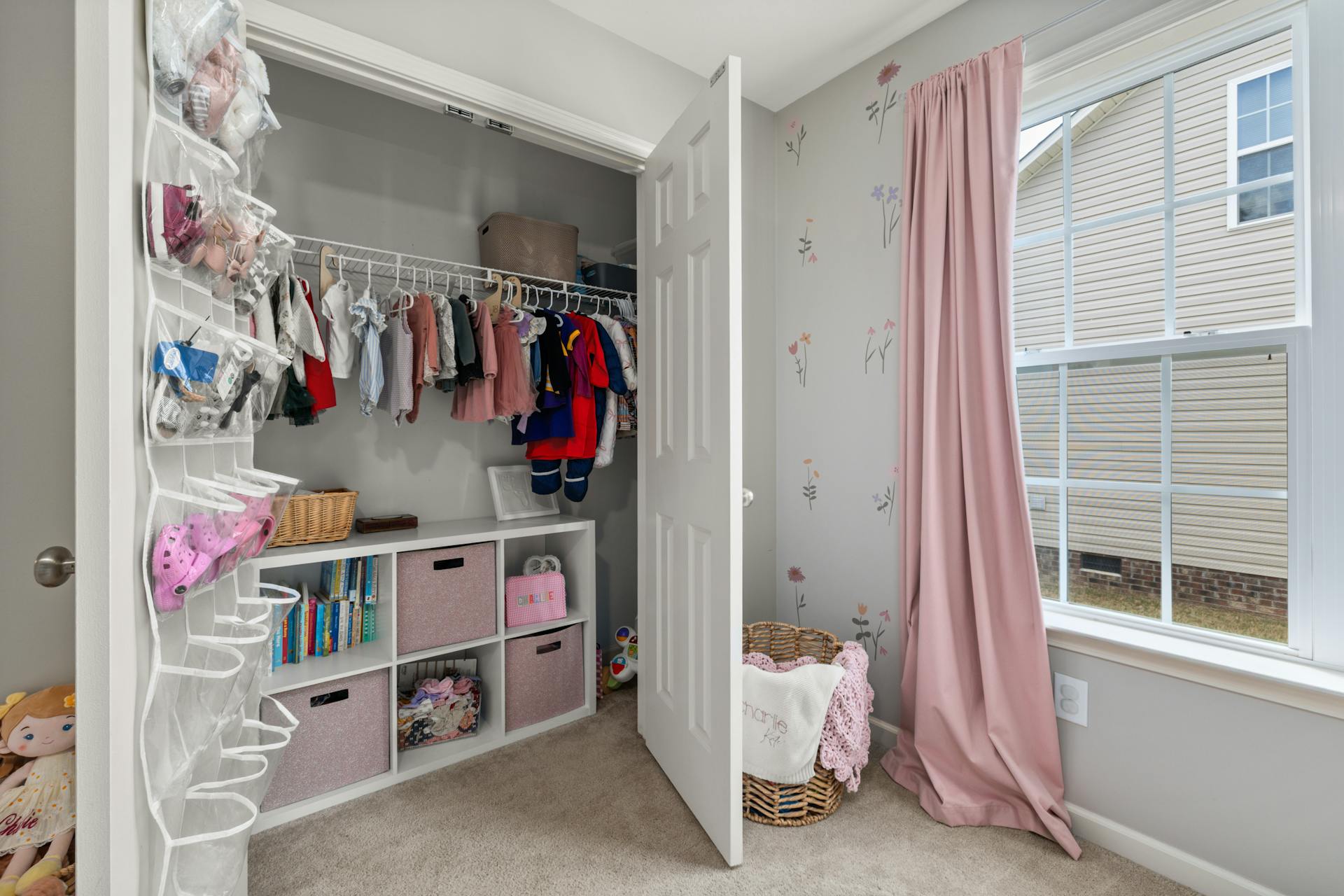
Low shelves with baskets at child-height encourage organisation and independence in early years. Label baskets with words and icons to help non-readers. As the child ages, baskets can be replaced with fabric bins that store books, hobby materials, or school supplies.
Tall wardrobes and dressers don’t need themed finishes. Their timeless appearance ensures they stay relevant. Inside, adjustable shelving and drawer organisers can be repositioned over time to suit clothing changes, sports gear, or other personal items.
Smart storage anticipates what will change and what will stay constant. A drawer once holding blocks becomes a drawer for art supplies; a basket that held toy cars becomes a bin for collectibles. With thoughtful planning, storage evolves without replacement.
Lighting That Adapts
Lighting plays a crucial role in how a room feels and functions. Flexible lighting options support rest, play, concentration, and ambience.
- General lighting should be warm and evenly distributed. Choose fixtures that are stylish yet classic. Soft brushed metal, warm wood, or simple linen shades suit evolving tastes.
- Task lighting—such as adjustable desk lamps or bedside reading lights—grows in importance as the child begins homework. Fixtures with dimming capabilities allow peaceful bedtime routines while accommodating brighter lighting for focused tasks.
- Mood lighting includes strings of soft LED lights, star projectors, or small accent lamps. In early years, these provide comfort. Later, they become decorative elements that personalise the room.
Good lighting elevates a theme without overwhelming it. Thoughtful lighting design supports routines and helps balance energy levels, encouraging calm and focus where needed.
Textures and Materials That Transition
The sensory quality of a bedroom matters as much as its visual theme. Textures add warmth and depth, inviting touch and comfort.
Soft cotton or linen bedding feels timeless. Natural fibres such as wool rugs and knitted throws add softness. As children grow, these textures remain sophisticated rather than childish.
Furniture with tactile finishes—such as smooth timber, woven seats, or upholstered cushions—encourages engagement and comfort. Materials that are durable and easy to clean reduce stress for parents while ensuring longevity.
Layered textiles, such as quilts, plush cushions, and cozy curtains, contribute to a room that feels safe and comforting at every age.
Evolving Artwork and Wall Features
Walls are powerful storytellers. They can anchor a theme or pivot seamlessly as interests evolve.
Start with artwork that reflects the theme but in timeless styles. For example, vintage-style animal illustrations, minimalist space prints, or muted botanical sketches. These have artistic value that transcends childhood trends.
Avoid permanent themed murals unless they are subtle and abstract. Instead, use framed prints, wall shelves for displayed items, or easily removable wall decals. This allows parents to update elements as the child grows without costly repainting or renovations.
Artwork rotates easily. A gallery wall that began with alphabet prints can transition to framed photos, sports posters, or abstract art without disrupting the room’s rhythm.
Encouraging Independence Through Room Design
A room that grows with a child should support independence at every age. This means designing for reachability, ownership, and decision-making.
Place clothing rods low enough for early years, with a second higher rod added later for taller clothing. Provide hooks at child-height for bags and hats. Teach organisation by making storage intuitive rather than restrictive.
Children who can make their bed, select clothing, and organise books feel a sense of ownership. This builds confidence and supports emotional maturity.
A room that respects independence becomes a place the child takes pride in, rather than just occupies.
When and How to Update the Theme
Updates should be intentional, not reactionary. Instead of complete overhauls every few years, plan small seasonal tweaks or milestone changes.
When interests change at ages six, nine, or eleven, swap accessories rather than replacing core furniture. Update bedding, artwork, cushions, and decorative elements. A poster becomes framed art; a toy transitions into a collectible on display.
Solicit the child’s input. This fosters decision-making skills and ensures the room reflects their personality.
Updates should feel like refinements, not resets. This gradual evolution keeps the room relevant without expense or disruption.
Common Pitfalls to Avoid
Many parents unintentionally shorten the lifespan of a theme bedroom by making certain mistakes:
- Over-theming: Decorating every surface in a literal theme makes the room feel dated quickly. Balance themed accents with timeless elements.
- Character-centric furniture: Furniture shaped like specific characters or icons becomes obsolete. Choose neutral furniture and introduce character through accessories.
- Busy patterns everywhere: Too many loud patterns compete visually and create overstimulation. Use simple patterns and focus on texture.
- Ignoring functionality: A beautiful theme is worthless if the room doesn’t function for sleep, organisation, study, and play.
Avoiding these pitfalls ensures the room remains functional, stylish, and emotionally supportive.
Case Examples: Themes That Grow Well
- Exploration Theme: Start with a muted world map feature wall, soft globe décor, and neutral furniture. Over time, replace decals with framed travel posters, add a leather scout-like trunk for storage, and rotate items that reflect new interests.
- Nature Theme: Begin with botanical prints, leaf-patterned textiles, and soft green walls. Evolve to more refined nature photography, woven baskets, and adult-style botanical art as the child ages.
- Story World Theme: Choose framed storybook art and soft thematic bedding. Swap out children’s illustrations for more advanced literary prints and framed quotes as reading skills grow.
These themes maintain continuity while maturing visually and emotionally with the child.
Final Thoughts: A Bedroom That Grows With the Child
Designing a theme bedroom that grows with a child requires balance—between playful and poised, between now and next year, and between functional needs and emotional resonance. It is not about forcing a design; it is about creating a space that respects current interests while anticipating future ones.
A thoughtfully designed bedroom supports well-being, encourages independence, and becomes a space that the child genuinely loves. Themes should inspire, not confine; they should be beginning points for creativity, not endpoints.
When parents focus on timeless foundations, adaptable elements, and evolving layers, a themed bedroom becomes more than décor. It becomes a lifelong haven—reflecting memories, growth, and the joy of childhood.