
Buying a child’s bed might seem like a straightforward decision, but any parent who has been through it knows the truth: the bed you choose affects far more than just sleep.
A bed influences comfort, safety, bedroom layout, storage, organisation, and even how confident a child feels in their own space. It also affects parents in practical ways—how easy the room is to clean, whether there is enough storage, whether the bed lasts long enough to justify the cost, and whether the bedroom feels calm or cramped.
The challenge is that children grow quickly. A bed that is perfect at age four can be totally unsuitable at age nine. A bed that looks stylish for a teen might not be safe or practical for a younger child. And many parents make the mistake of buying something “cute” without thinking ahead.
This buying guide is designed to help parents choose the right bed for each stage of childhood and adolescence. It is written from a practical, quality-focused perspective, with a strong emphasis on safety, durability, and long-term value—exactly what families need when making a purchase that should last for years.
Why the right bed matters more than most parents realise
Children spend more time in bed than almost anywhere else in the home. A bed isn’t just furniture—it’s where they rest, recover, read, relax, and sometimes even play.
A well-chosen bed provides:
- Better sleep quality
- Greater comfort and support
- Safer design for the child’s age
- More efficient use of bedroom space
- Better storage and organisation
- A stronger sense of independence
- A bedroom that feels calm and functional
A poorly chosen bed, on the other hand, can create daily frustration—squeaky frames, weak slats, poor mattress support, cramped layouts, and constant clutter.
The first step: understand your child’s stage of development
Children’s needs change dramatically between toddlerhood, primary school years, and adolescence. The right bed choice depends on:
- Age
- Height and weight
- Sleep habits
- Personality (active vs calm sleeper)
- Bedroom size
- Storage needs
- Whether siblings share the room
- Whether sleepovers are frequent
A bed should not just “fit the room.” It must fit the child’s lifestyle.
Ages 2 to 4: toddler beds and first “big kid” beds
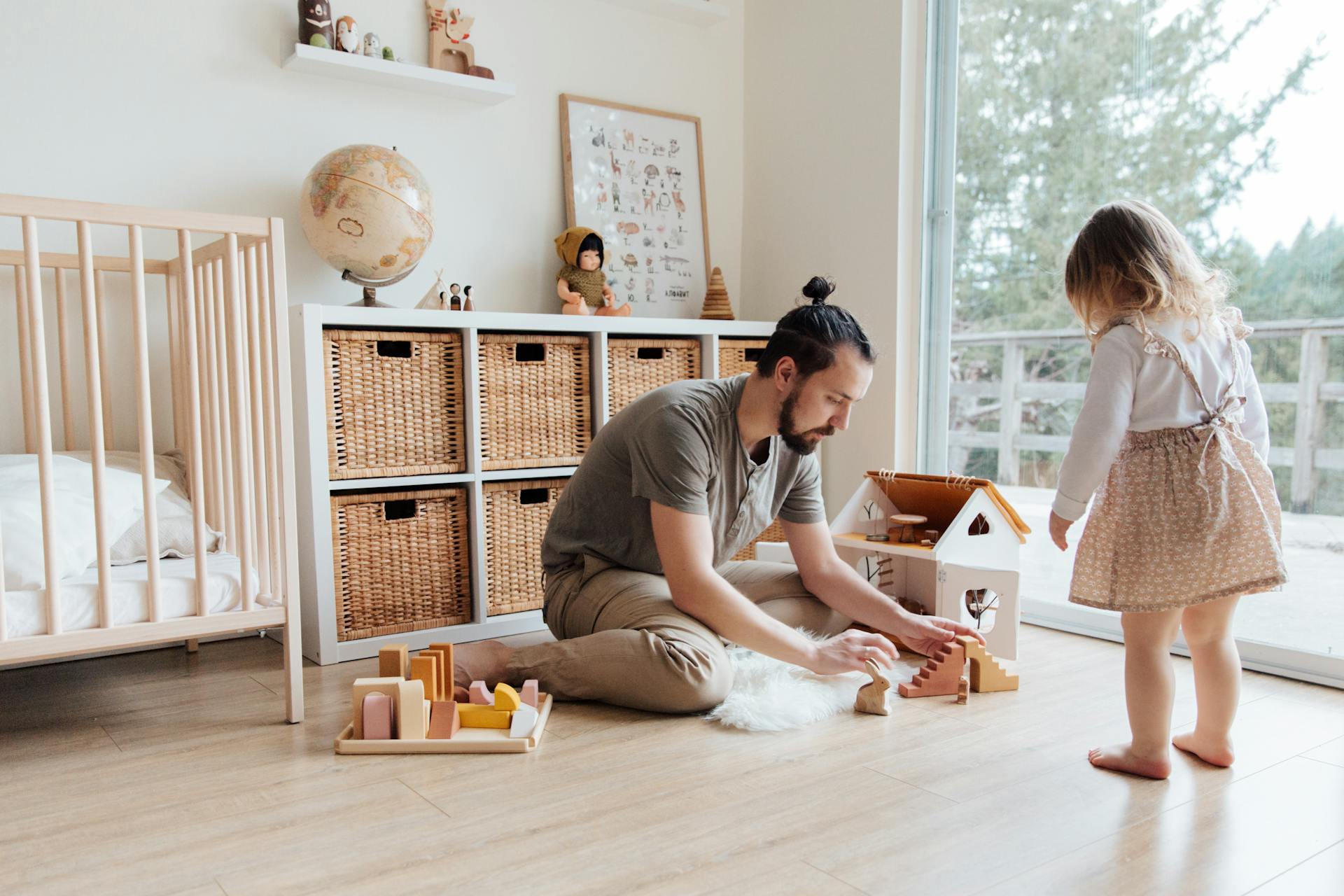
For many families, the first major bed purchase happens when a child transitions out of a cot.
At this stage, safety is the priority.
Key considerations include:
- Low height: Toddlers roll around in their sleep. A low bed reduces the risk of injury.
- Guard rails: Some toddlers adjust quickly, while others fall out easily. Guard rails are often essential.
- Strong construction: Toddlers climb, jump, and treat the bed like a playground. The bed must be sturdy.
- Easy access: A toddler should be able to climb in and out independently. This helps with confidence and routine.
Many parents choose a toddler bed at this stage, but in reality, a well-designed single bed with safety rails can often be the smarter long-term choice.
A toddler bed is usually outgrown quickly. A single bed can last for years.
Ages 4 to 7: single beds become the practical choice
Once children are past the toddler stage, a standard single bed becomes the best option for most families.
At this age, children still want comfort and security, but they also need a bed that supports growth.
Key considerations include:
- Sturdy frame: Children at this age still jump and climb.
- Good mattress support: A proper slat system is essential. Cheap beds often have weak slats that sag.
- Durable finishes: Children spill drinks, scratch surfaces, and drag toys across furniture.
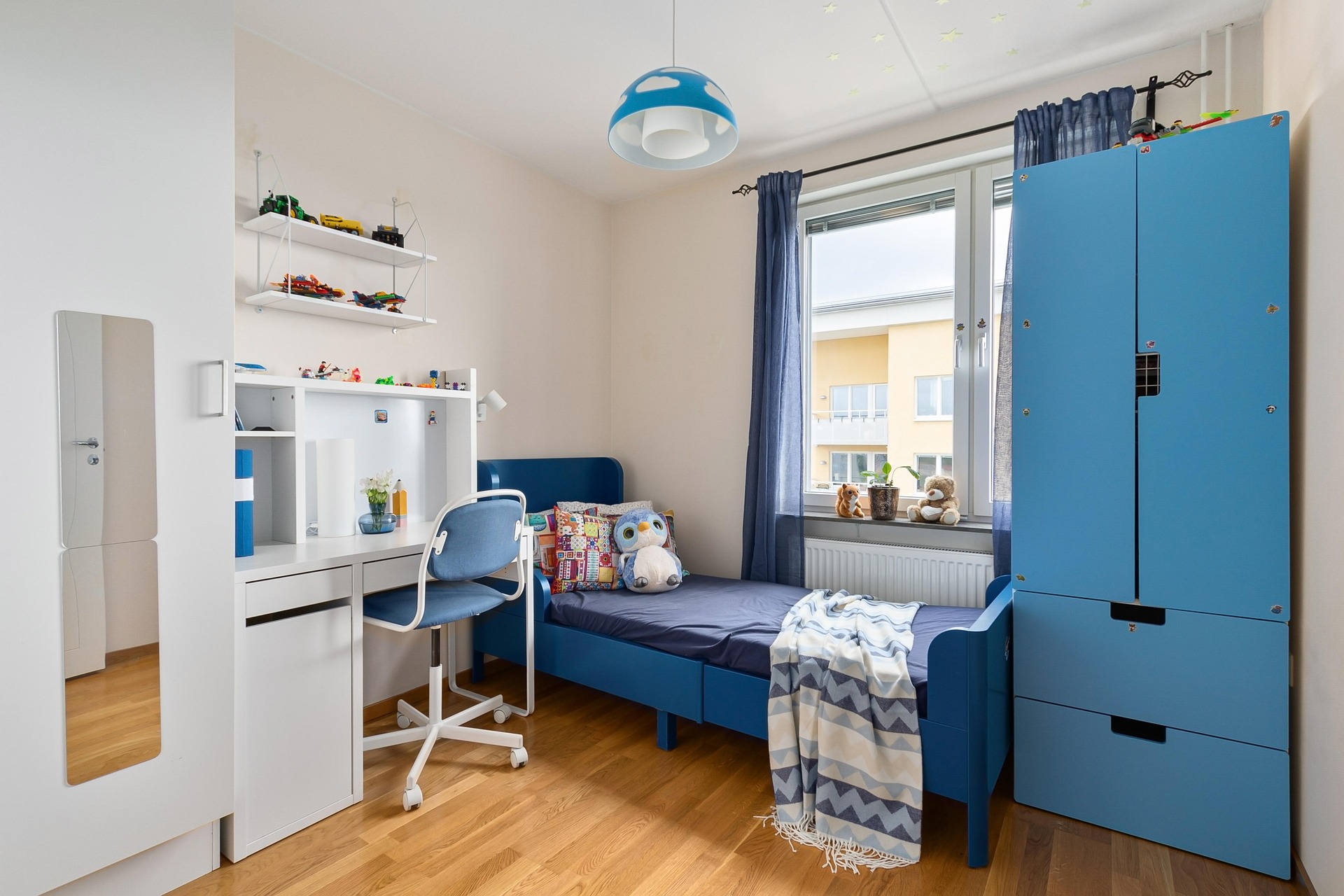
- Storage opportunities: Many children begin to accumulate toys, books, and hobby items. A bed with under-bed drawers can be a major advantage.
At this stage, parents should strongly consider a storage bed. It can eliminate the need for extra bulky storage furniture and keep the room cleaner.
Ages 7 to 12: The bed becomes part of the child’s independence
Primary school years are a key stage. Children are growing rapidly, developing stronger personal preferences, and beginning to want a room that feels like “their own.”
The bed becomes more than a sleeping space. It becomes:
- A reading zone
- A relaxing zone
- A space for quiet time
- Sometimes a social space when friends visit
At this stage, parents should consider:
- Comfort and mattress quality: Children grow quickly and need good support.
- Bed size planning: Some parents begin considering a king single. A king single gives more space and can last into teenage years.
- Storage integration: Storage beds are excellent at this age because children own more clothing, school items, sports gear, and books.
- Room layout: If the room is compact, consider whether a loft bed could create extra floor space for a desk or play zone.
Many families underestimate how quickly children grow. A king single bed at this stage can be a wise long-term purchase, especially if the child is tall or an active sleeper.
Ages 12 to 18: teenage beds should be long-life furniture
Teenagers have adult-sized bodies, adult-sized clothing, and adult-sized expectations.
A bed that feels childish or cramped will not suit them. Teen bedrooms also tend to become multi-purpose rooms: sleep, study, socialising, gaming, reading, and relaxing.
At this stage, parents should focus on:
- Long-life quality: Teenagers are hard on furniture, and the bed should last through late teens and beyond.
- Comfort and mattress support: This is a critical stage for posture and growth.
- Space for lounging: Many teens sit on their bed daily. A sturdy bed frame matters.
- Storage capacity: Teens need more clothing storage and personal item storage. Under-bed drawers can reduce clutter dramatically.
- Style: A timeless design is best. Avoid overly themed or childish bed styles. A bed should look mature and suitable for years.
At this age, a king single or double bed is often appropriate, depending on the room size.
A double bed is particularly suitable if the room is large enough and parents want a bed that will remain useful long into adulthood.
Beds for shared rooms: choosing wisely
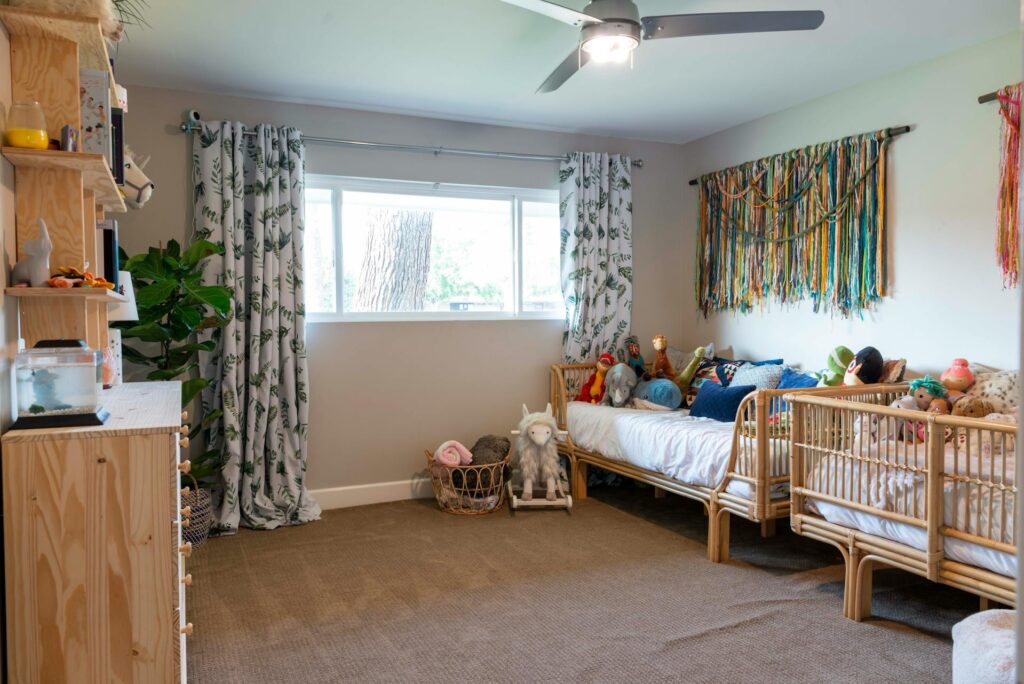
When two children share a room, bed choice affects the entire family dynamic.
The goal is to maximise floor space while ensuring both children sleep comfortably.
Common solutions include:
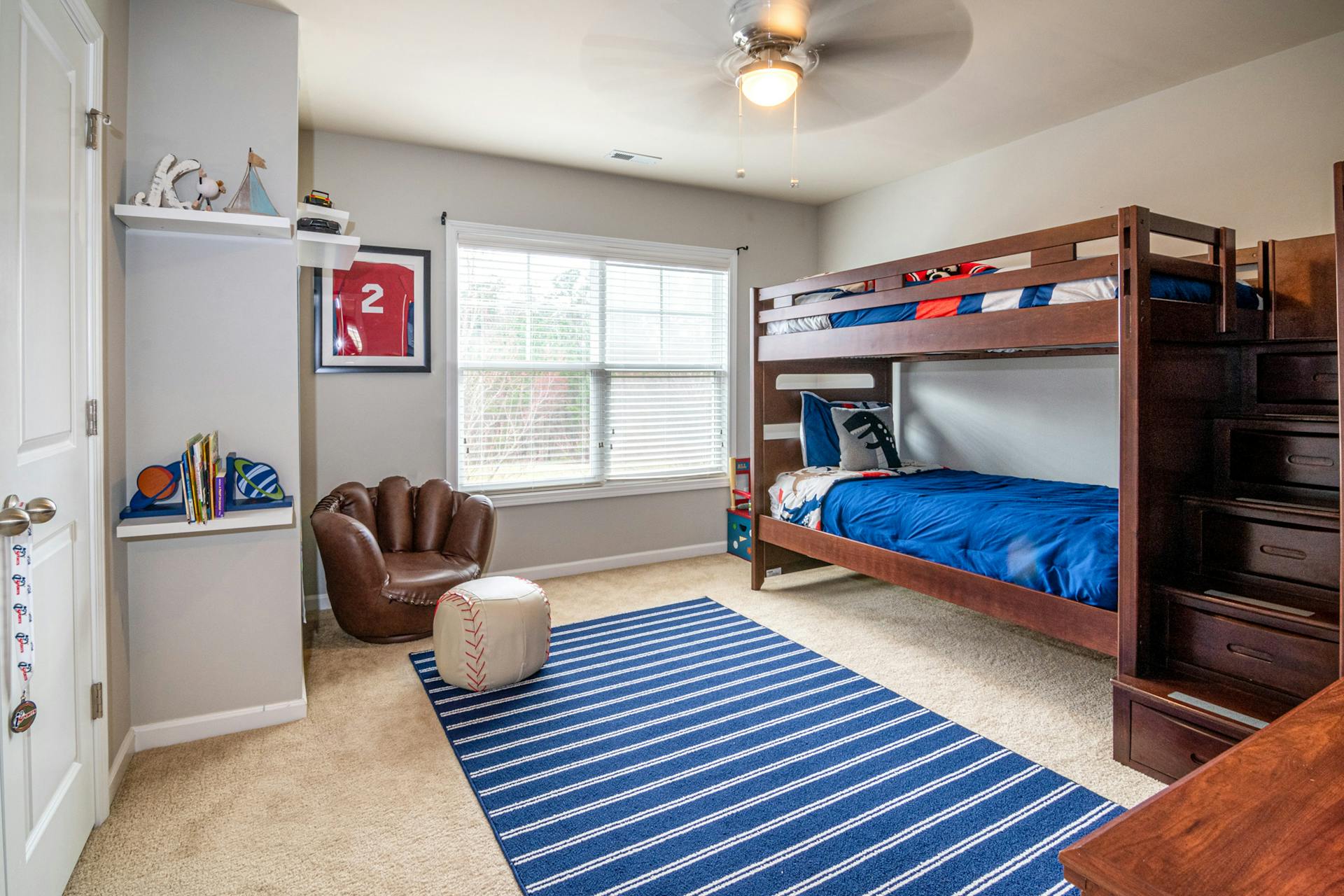
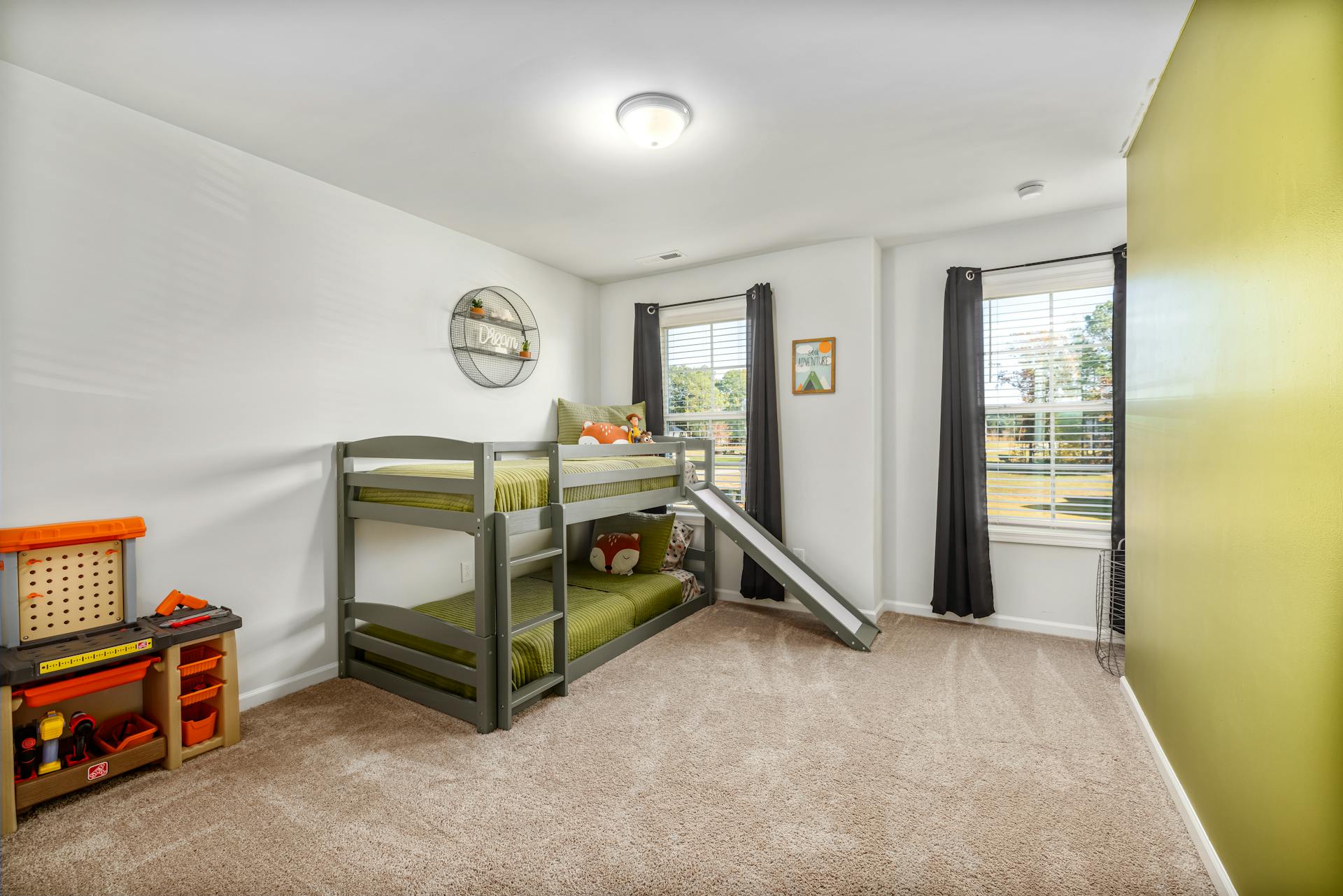
- Bunk beds: Excellent for saving space, but must be safe and sturdy.
- Single beds with trundles: Great when one child uses the trundle occasionally, or for sleepovers.
- Loft bed + single bed combination: Useful when children are different ages.
Shared rooms require careful planning. Storage is particularly important, as clutter multiplies quickly.
A storage bed setup can be one of the best ways to keep shared bedrooms manageable.
Choosing between a single, king single, and double bed
Parents often wonder which size is best.
A practical guideline is:
- Single bed: Best for younger children and smaller rooms.
- King single bed: Best for growing children and teenagers, especially tall kids.
- Double bed: Best for older teenagers if the room can handle it.
The advantage of a king single is that it offers extra width and length without taking as much space as a double bed.
The advantage of a double bed is that it becomes a long-term adult bed.
The right choice depends on room size and how long you want the bed to last.
Storage beds: a smart investment for almost every age group
One of the best trends in modern children’s furniture is the storage bed. A bed with built-in storage can reduce clutter dramatically. It can store:
- Extra bedding
- Seasonal clothing
- Sports equipment
- Toys
- School items
Storage beds are particularly useful in compact bedrooms where floor space is limited. For parents, a storage bed often replaces the need for additional bulky furniture like toy boxes or tallboys.
Daybeds: a smart choice for teens and multi-purpose rooms
A daybed is a bed designed to function like a lounge during the day.
For teenagers, this can be ideal because it provides:
- A place to relax
- A space for friends to sit
- A stylish bedroom layout
- Better use of compact rooms
Daybeds work well when the bed is placed against a wall and styled with cushions. This reduces the need for an extra chair, which keeps the room more open.
Quality construction: what parents should look for
A child’s bed is a long-term purchase. Quality matters.
Parents should look for:
- Strong frame construction
- Solid joinery
- Durable finishes
- Reliable slat support
- Reinforced stress points
- Safe edges and corners
- Good warranty coverage
Cheap beds often fail at the slat system. Weak slats lead to sagging mattresses and uncomfortable sleep. A quality bed should feel stable and silent. If it creaks when touched, it will only get worse over time.
Safety standards and practical safety checks
Safety should never be overlooked.
Parents should check:
- No sharp edges
- No unstable or wobbling frame
- Proper mattress fit (especially for bunk beds and guard rails)
- Safe heights for younger children
- Strong ladder access for loft beds or bunks
For younger children, avoid high beds unless they are specifically designed with safety rails.
Mattress considerations: don’t ignore what matters most
A bed frame is only part of the equation. The mattress matters just as much.
A child’s mattress should provide:
- Proper support
- Breathable materials
- Comfort without being overly soft
- Durability under daily use
A cheap mattress on a good bed is still a poor sleep solution. For growing children and teenagers, good spinal support is essential.
Buying for the future: the smartest parent strategy
The best bed purchases are made with future planning.
Instead of buying something that will last two years, parents should consider:
- Will this bed suit my child in five years?
- Will the style still look appropriate?
- Will the bed handle teenage weight and daily use?
- Will it work with changing room layouts?
A timeless, well-built bed is always the smarter investment.
Final checklist before buying a child’s bed
Before purchasing, ask:
- Is it safe for the child’s age?
- Is it sturdy enough for active daily use?
- Is it the right size for growth?
- Does it support good sleep posture?
- Does it include storage if needed?
- Is the design timeless and long-lasting?
- Does it come with a good warranty?
A child’s bed should not be treated as disposable furniture. It is one of the most important pieces in the home.
When you choose well, you don’t just buy a bed—you create a better bedroom, better sleep, and a better daily routine for the whole family.
Explore the exceptional kids’ and teens’ furniture collection at Maison Clair De Lune