
In the world of interior design, few debates are as enduring as the tension between timeless style and trendy flair. This question feels particularly acute in children’s bedrooms, where playful expression intersects with practical needs and rapid developmental shifts. Parents often ask: Should I design a bedroom that reflects current trends or one that feels timeless and enduring? The best answer is not simply one or the other; it’s a thoughtful blend that respects both lasting value and joyful personality.
This article explores the balance between timeless and trendy design choices for children’s bedrooms. It draws on principles of child development, environmental psychology, functional design, and real-world experience. The aim is to guide parents toward intelligent decisions that make a bedroom feel both relevant today and meaningful tomorrow.
A child’s bedroom serves multiple purposes: it is a place for rest, play, learning, creativity, and personal expression. Because of these multiple roles, design choices must support emotional well-being, physical comfort, and a sense of ownership. The challenge with strictly trendy designs is that trends change quickly. What feels stylish today may feel outdated tomorrow. Timeless design, on the other hand, remains fresh and functional, but if not balanced carefully, it can feel dull or overly adult.
The solution lies in designing with a core of timeless structure and layering in trend-friendly accents that can evolve easily. This approach respects a child’s need for creative expression while ensuring the room remains harmonious over time.
What Is “Timeless” in Children’s Bedroom Design?
When designers talk about “timeless,” they refer to elements that feel enduring, refined, and not tied to fleeting styles. Timeless design is not bland; it is thoughtful and grounded.
- Timeless colours include soft neutrals like warm whites, creams, gentle greys, sage greens, and muted blues. These colours feel calming and adaptable as a child grows.
- Timeless furniture is well-built, simple in silhouette, and made from quality materials such as solid timber or durable finishes. Clean lines and classic proportions ensure furniture remains appealing for many years.
- Timeless materials are natural and textural: cotton, linen, wool, wood, and woven fibres. These materials add warmth without overstimulation.
Timeless design is rooted in human comfort and visual balance. In children’s bedrooms, a timeless base creates a foundation that supports restful sleep, focused play, and emotional stability.
Why Trends Can Be Tempting
Trends are exciting. Bright pops of colour, character-based themes, bold graphics, and social media-inspired décor can instantly shape a bedroom’s identity. For many parents and children, trends feel like an expression of current interests and culture.
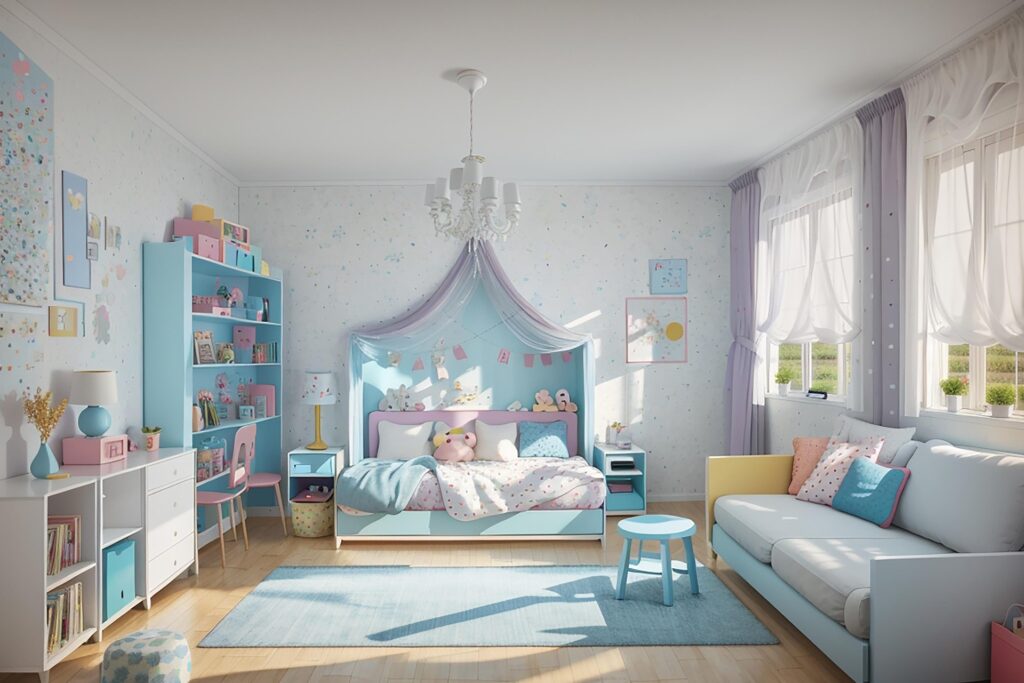
In childhood, interests can change quickly. One year it might be dinosaurs, the next it might be mermaids. Trend-inspired accessories allow children to feel culturally connected and visually engaged.
However, the lifespan of trends is typically short. A piece of décor that feels fresh today may feel dated within a season. If foundational design decisions are tied too closely to trends, the bedroom may feel outdated quickly, leading to costlier renovations and design fatigue.
The Strength of a Timeless Base
A timeless base gives a room longevity. It supports evolving décor without requiring fundamental changes to colour, furniture, or layout. This base includes:
- Neutral wall colours
- Classic furniture silhouettes
- Quality lighting
- Natural materials
- Flexible storage solutions
These components create stability. They make the room feel calm and cohesive, even when surface elements like accessories and textiles change often.
Timeless bases also respect developmental shifts. Younger children need restful, secure spaces. Older children need functional areas for study and hobbies. A well-designed, timeless room naturally evolves with these needs.
How to Incorporate Trends Without Overcommitting
The key to balancing trends and timelessness is to use trends modularly. Trendy elements should be easy to update without disrupting the overall foundation.
Trend-friendly accessories:
- Bedding
- Cushions
- Wall art
- Rugs
- Curtains
- Small décor items
These elements bring personality and current style without forcing major redesigns. When trends fade, swap them out.
For example, a room with neutral walls and classic timber furniture can embrace a trendy colour like coral or teal through cushions and wall art. Tomorrow, those pieces can be replaced with new picks—without repainting walls or replacing major pieces.
This approach keeps the room feeling both fun and stable.
Colour: A Crossroad Between Trendy and Timeless
Colour decisions are among the most impactful. While bold, trendy colours can be energising, they can also overstimulate—particularly at bedtime. Timeless colours support calming environments. If colours shift with trends, plan for them as accents.
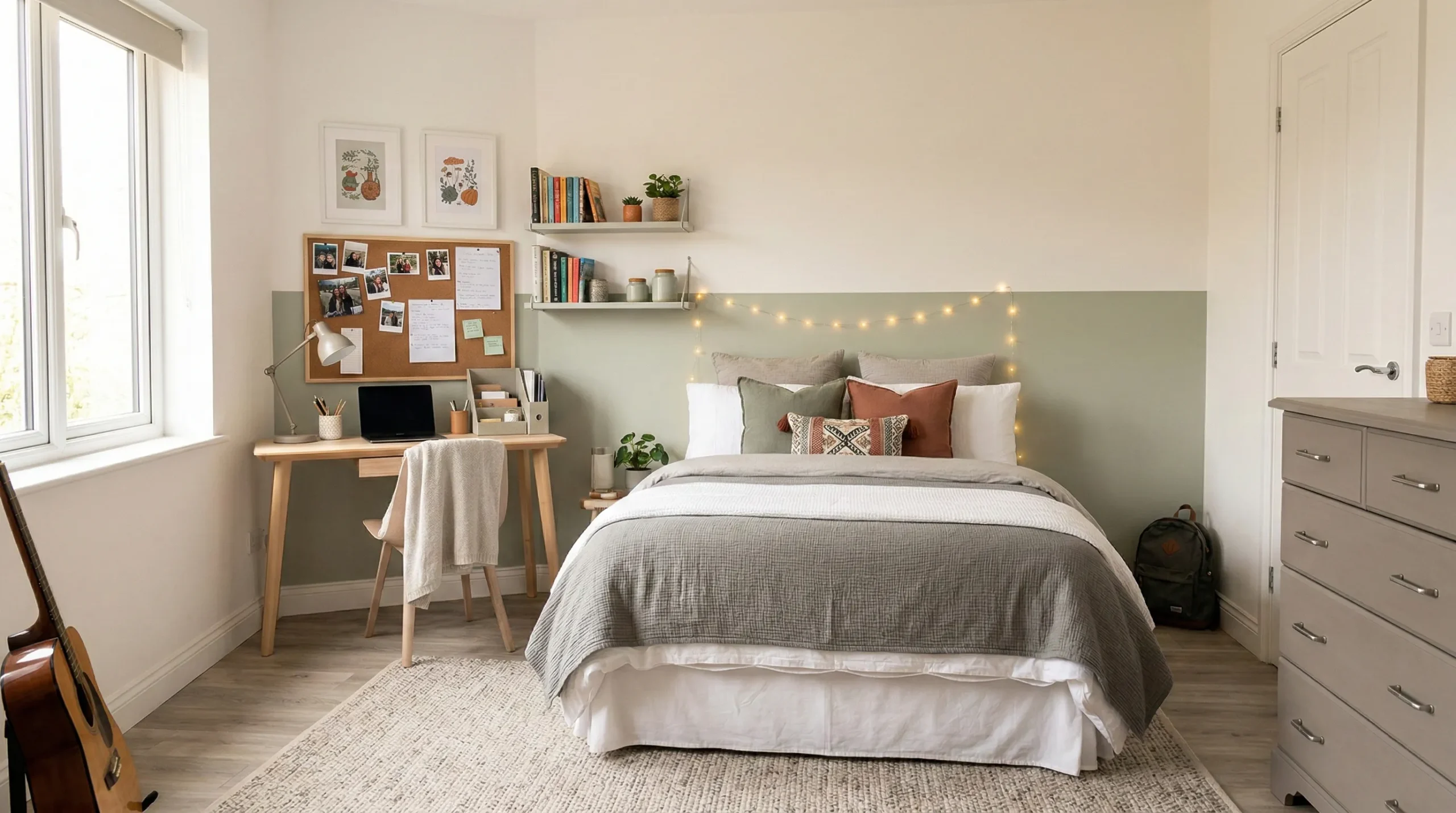
For example, a base of soft sage walls paired with warm neutrals feels timeless. Add trend-inspired lampshades or patterned bedding to introduce current flair. If trends change, update these smaller items, not the walls.
Avoid painting all walls in a trending shade unless you are prepared to repaint in the future. Trendy hues belong in accessories or one feature wall that can be easily refreshed.
Furniture That Lasts
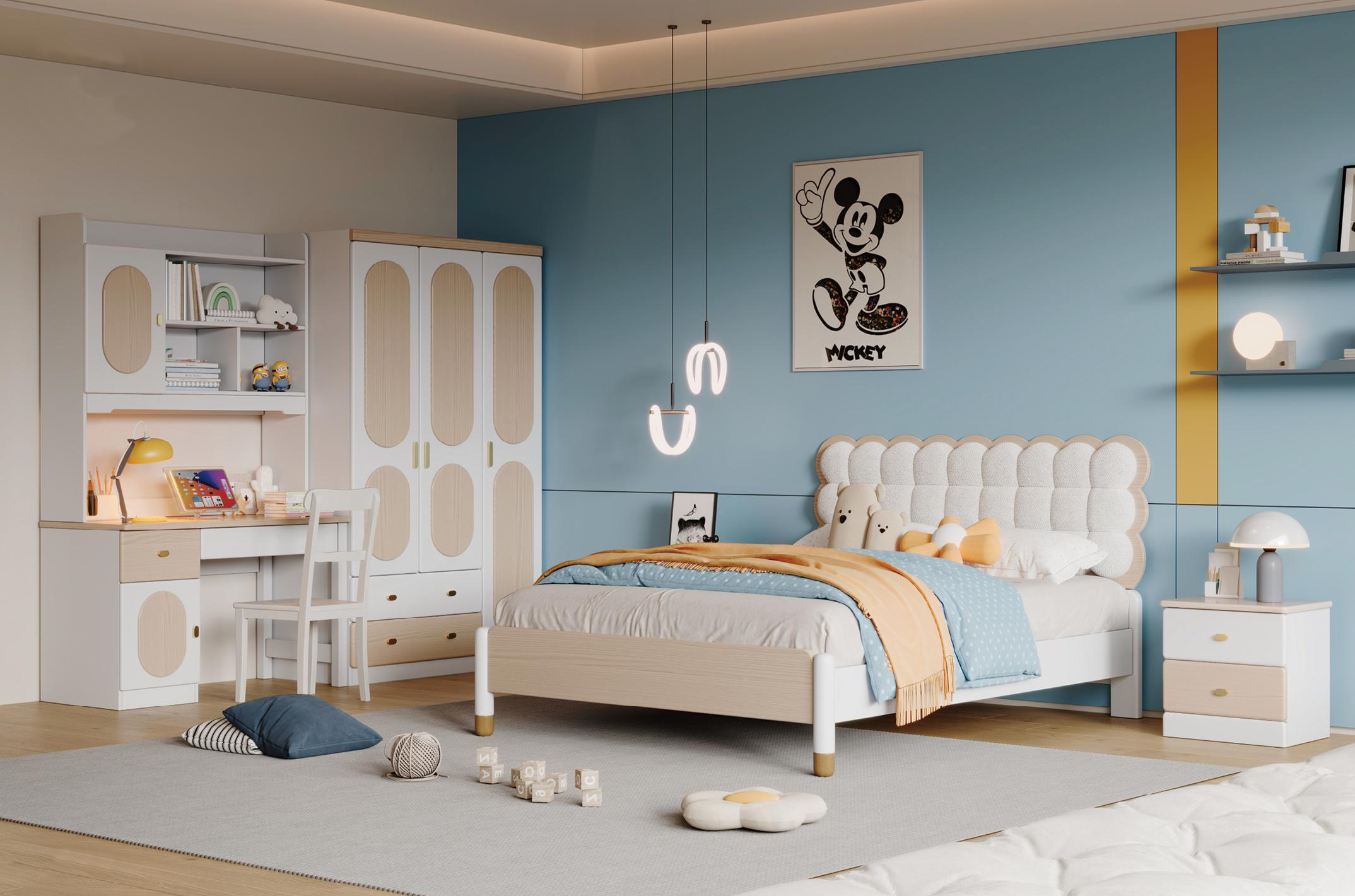
Furniture is the most expensive and permanent element in a bedroom. It should be chosen for timelessness. Classic bed frames, neutral dressers, and sturdy shelving systems remain functional and beautiful regardless of trends. Avoid furniture with novelty shapes or character motifs, as these become outdated quickly.
A timeless bed, for instance, might feature a solid timber frame or a softly upholstered headboard. These pieces feel at home with changing décor and personal growth. Choose furniture that is proportionate to the room and the child’s stage. Adjustable desks and chairs that grow with the child are particularly useful.
Patterns
Patterned décor attracts attention, but too many bold prints can create visual noise. Patterned rugs, small feature wallpaper panels, or textiles can be trendy, but should be balanced with calm backgrounds. A simple rule is: if a pattern dominates the room, it should be something timeless (like gentle stripes or soft geometrics). Highly stylised patterns should be treated as changeable accents.
Textures That Elevate
Texture is often overlooked but powerful in creating comfort. Timeless texture comes from natural materials—linen, wool, cotton, woven baskets, timber grains. Trendy textures—like shiny plastix finishes or overly glossy surfaces—can feel dated and may not support long-term comfort.
Layering textiles enriches the sensory experience without tying the room to a trend. Soft throws, knitted cushions, and woven rugs add depth and warmth that remains inviting year after year.
Storage That Works Over Time
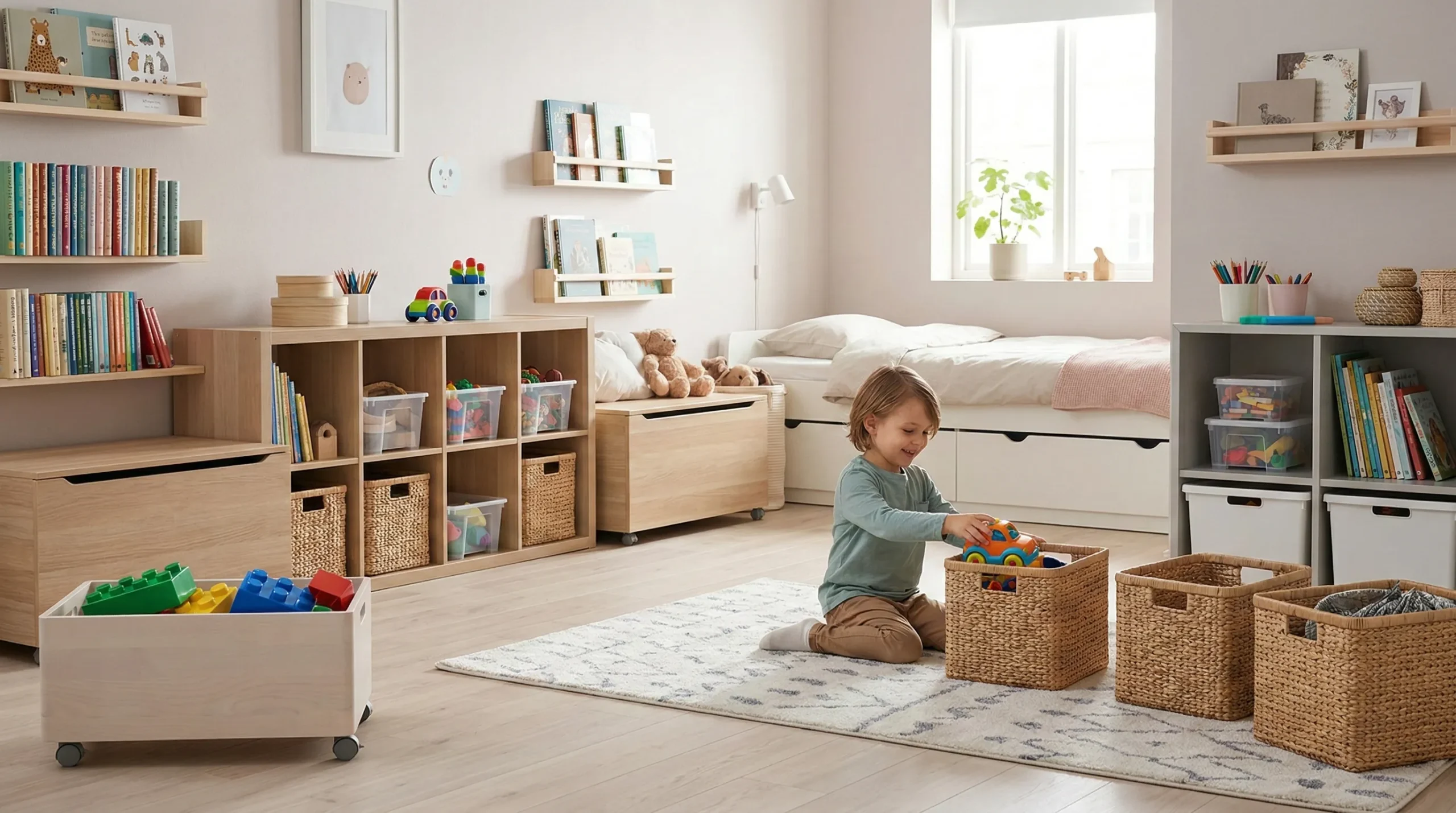
Storage is a functional necessity. Timeless storage solutions combine form and function. Built-in shelving or modular systems adapt to changing needs. Low storage encourages independence in younger years; adjustable shelving accommodates books, school supplies, and personal items as the child grows.
Avoid trend-based storage shapes or character boxes. Neutral bins, baskets, and drawer organisers work across ages.
Lighting for All Ages
Lighting needs change as children grow. Soft general lighting supports calm evenings, while task lighting becomes more important as children start schoolwork. Classic lighting fixtures—such as warm-toned pendants, dimmable bedside lamps, and adjustable desk lamps—are versatile and timeless. Trendy novelty nightlights or character lamps can be introduced as accessories and replaced over time.
Good lighting improves comfort, supports routines, and enhances overall wellbeing, which aligns with both timeless design and current needs.
Balancing Personal Expression
A child’s room should feel personal. Trends often help express personality and cultural engagement. The most successful bedrooms balance personal expression with enduring design choices. Use personal items to add character: favourite books, meaningful artwork, photos, collections. These pieces tell a story that transcends trends.
Encourage children to display things that matter to them; this promotes emotional connection and a sense of ownership.
When Trends Become Timeless
Some trends turn out to have long-lasting appeal. For example, Scandinavian minimalism, soft botanical motifs, and nature-inspired colours have remained popular for decades because they align with human comfort and visual balance. If a trend feels calming, sophisticated, and compatible with timeless elements, embrace it more boldly. But even then, maintain a core of classic structure.
Case Studies: What Works in Practice
- Case One: Calm and Classic: A bedroom with warm off-white walls, timber furniture, and soft linen textiles. Trendy coral accents appear in cushions and artwork. Over time, these are swapped for deep teal or mustard accessories without changing the base structure.
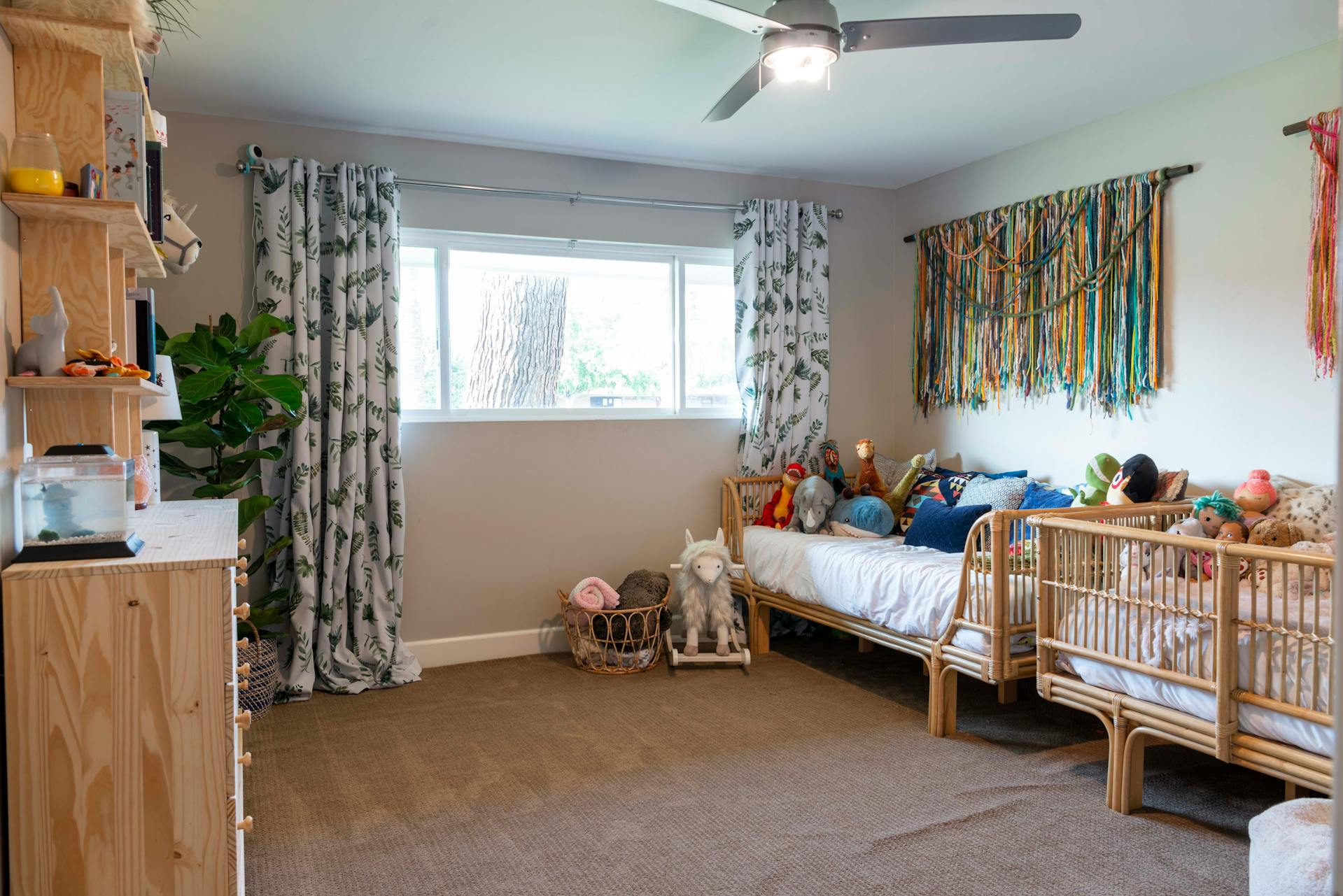
- Case Two: Nature Narrative: Soft green walls and woven textures create a calm, timeless backdrop. Trendy animal prints in wallpaper panels or cushions are introduced. As interests change, replace prints with botanical art without repainting walls.
- Case Three: Creative Haven: Neutral walls and modular shelving form the base. Trendy colourful rugs and contemporary artwork add flair. As the child gets older, replace playful art with framed photography or design posters.
Each example illustrates how a timeless base supports adaptability, while trend-based accents keep the room feeling fresh and joyful.
Common Mistakes and How to Avoid Them
- Mistake: Painting walls in a bright trendy colour that quickly feels outdated.
- Solution: Use neutral walls and introduce trend through textiles and accessories.
- Mistake: Choosing character furniture that becomes outgrown.
- Solution: Select furniture with classic lines; use themed bedding or décor.
- Mistake: Overloading patterns everywhere.
- Solution: Balance patterns with calm neutral spaces.
- Mistake: Ignoring lighting changes as the child grows.
- Solution: Invest in versatile, adjustable lighting that supports multiple activities.
Avoiding these mistakes keeps a bedroom functional, beautiful, and emotionally supportive.
Final Thoughts: A Sustainable Approach to Kid’s Bedroom Design
Children’s bedrooms should be spaces where rest, play, creativity, and growth coexist. The most successful designs blend timeless elements with trend-friendly accents. This approach honours both the enduring needs of a child and their day-to-day interests.
A timeless base provides stability, encourages calm, and grows with the child. Trendy accents bring joy, personal expression, and current cultural relevance. When paired thoughtfully, they create spaces that feel both enduring and alive.
Parents who prioritise quality, balance, and flexibility will find that their children’s rooms remain beloved places throughout childhood—spaces that feel right today and just as meaningful tomorrow.