
Designing a teen bedroom is often seen as an expensive project. Parents assume they need to replace everything: bed, desk,
Designing a teen bedroom is one of the most interesting challenges in home styling, because teenagers sit right in the
Furniture is one of the few things we buy that should last for many years, sometimes decades. Yet in modern
Active kids don’t sit still. They climb, build, jump, sprawl, read, tinker, craft, and turn a calm bedroom into a
Compact bedrooms can be a blessing and a nuisance at the same time. They’re cosy, easy to warm in winter,
Decluttering a child’s room can feel like one of the most exhausting jobs in a household. It’s not just the
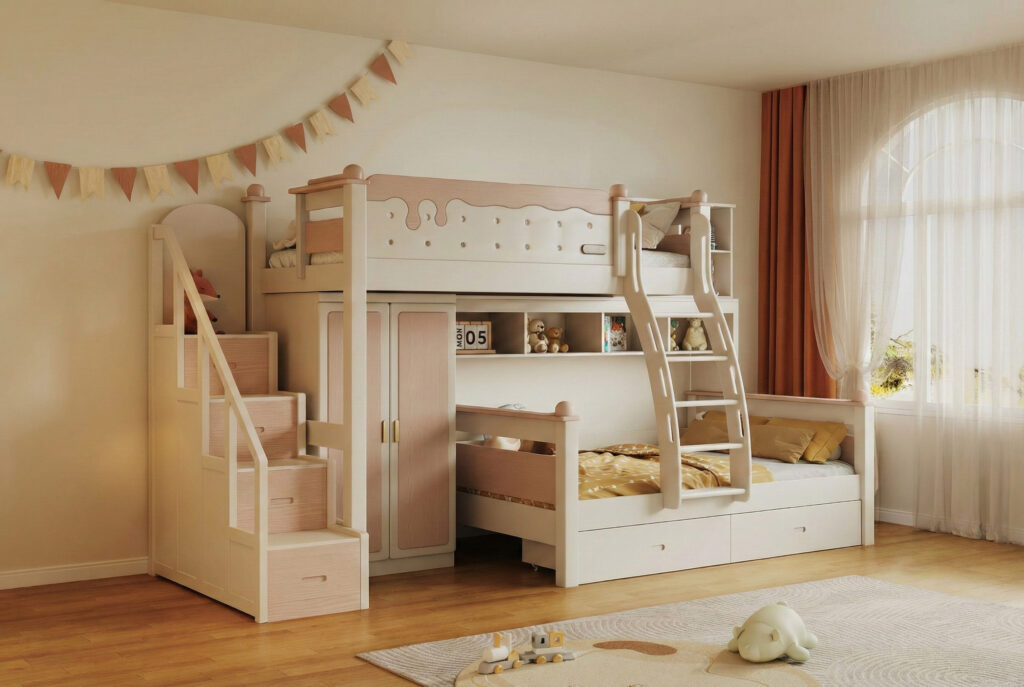
A well-designed home does not stop at the master bedroom or formal living areas. It extends carefully into the spaces where children grow, learn, rest and develop their independence.
Kids & Teens Home Journal has been created to provide structured, practical guidance for families who want to make informed decisions about children’s bedrooms, teen retreats, study spaces and long-term room planning.
Children’s rooms should never be treated as temporary or secondary. They are foundational environments. The quality of layout, furniture selection, lighting and storage directly affects routine, focus, sleep quality and household harmony. When these spaces are designed properly, the entire home functions better.
This journal exists to improve your knowledge before you spend money, commit to a renovation, or purchase furniture. The more informed you are, the more confident your decisions become. By understanding room planning principles, furniture construction standards, safety considerations and long-term adaptability, you are far less likely to make costly mistakes. Sound knowledge leads to sound investment.
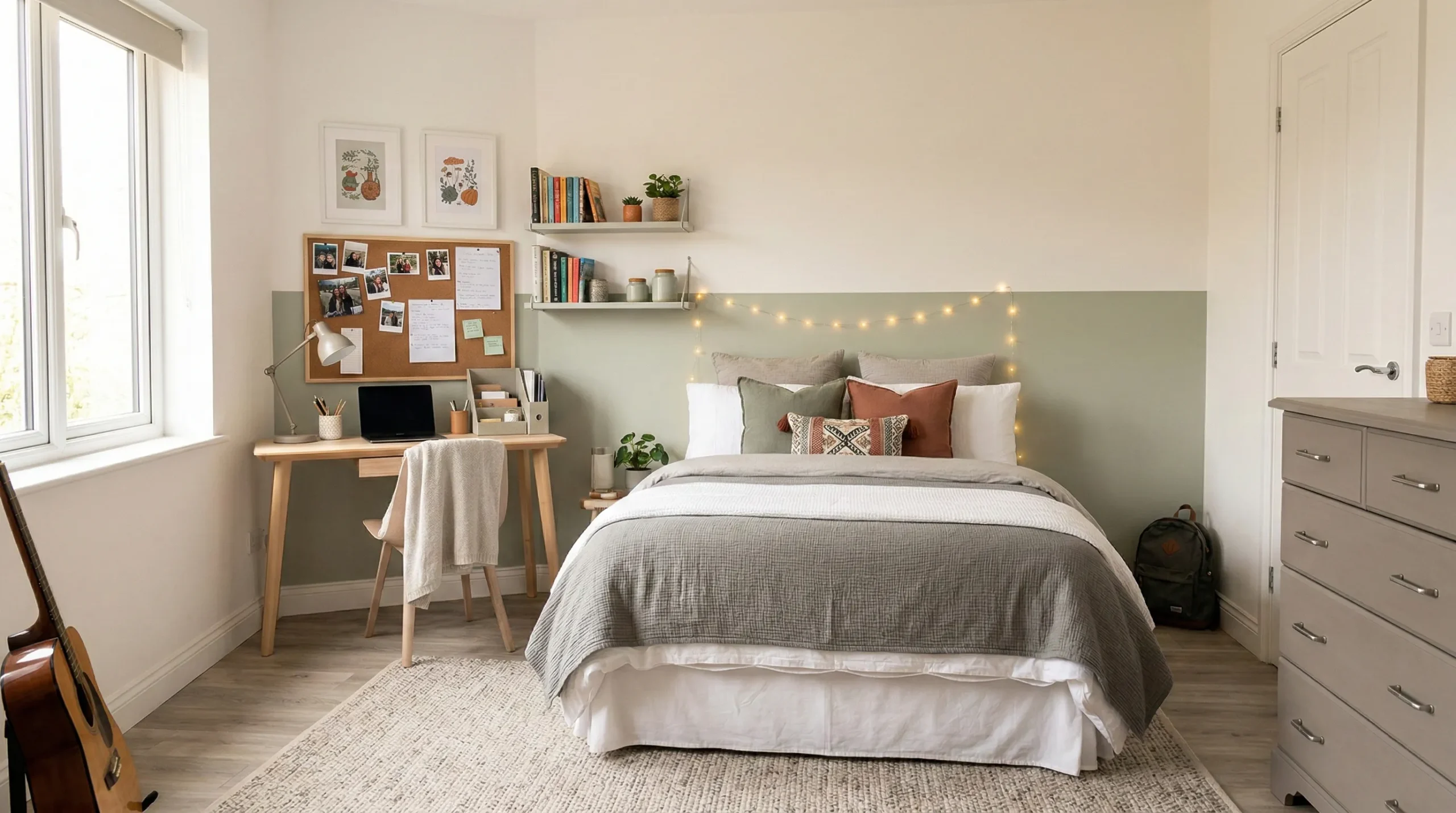
Designing a teen bedroom is often seen as an expensive project. Parents assume they need
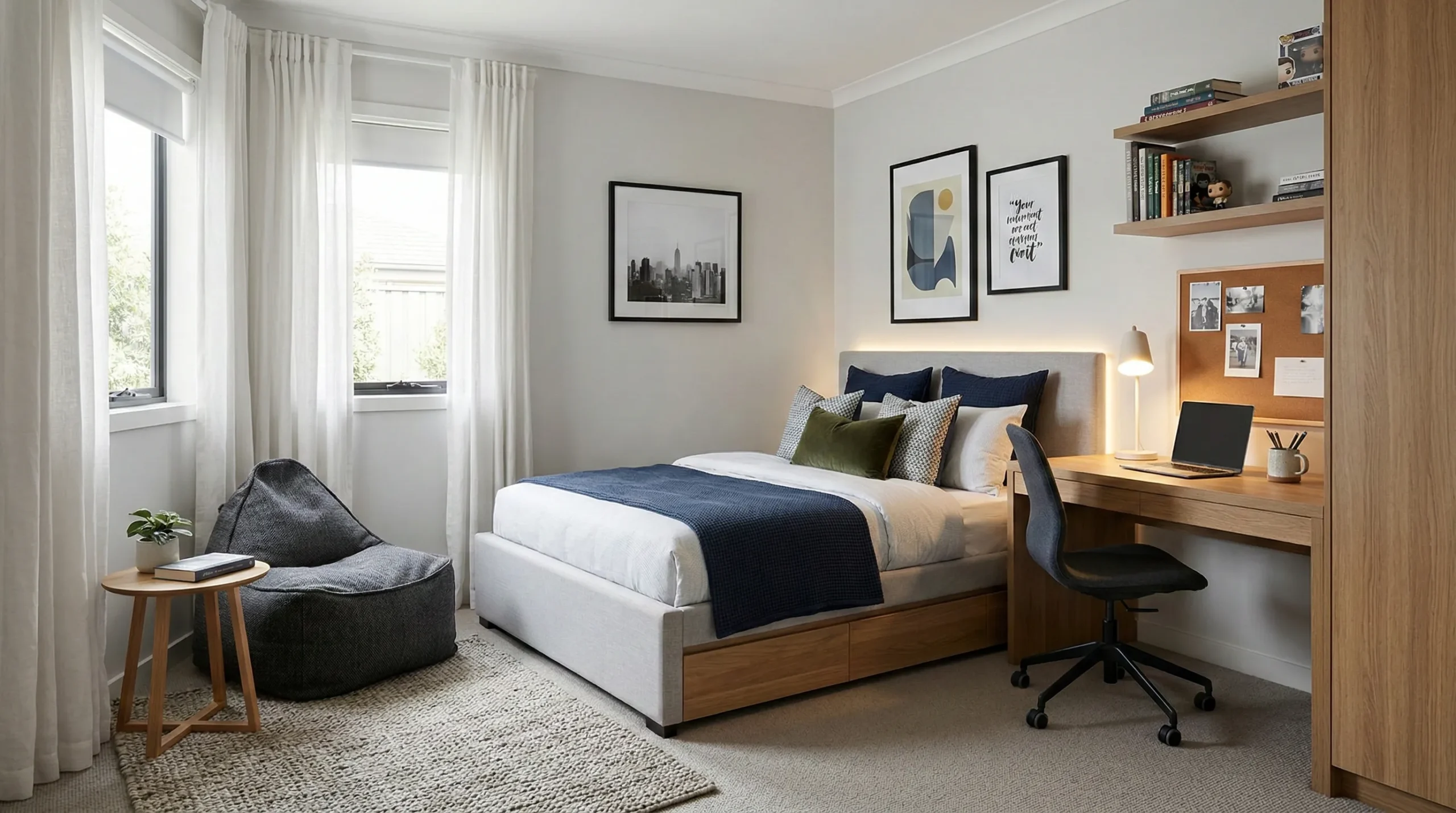
Designing a teen bedroom is one of the most interesting challenges in home styling, because
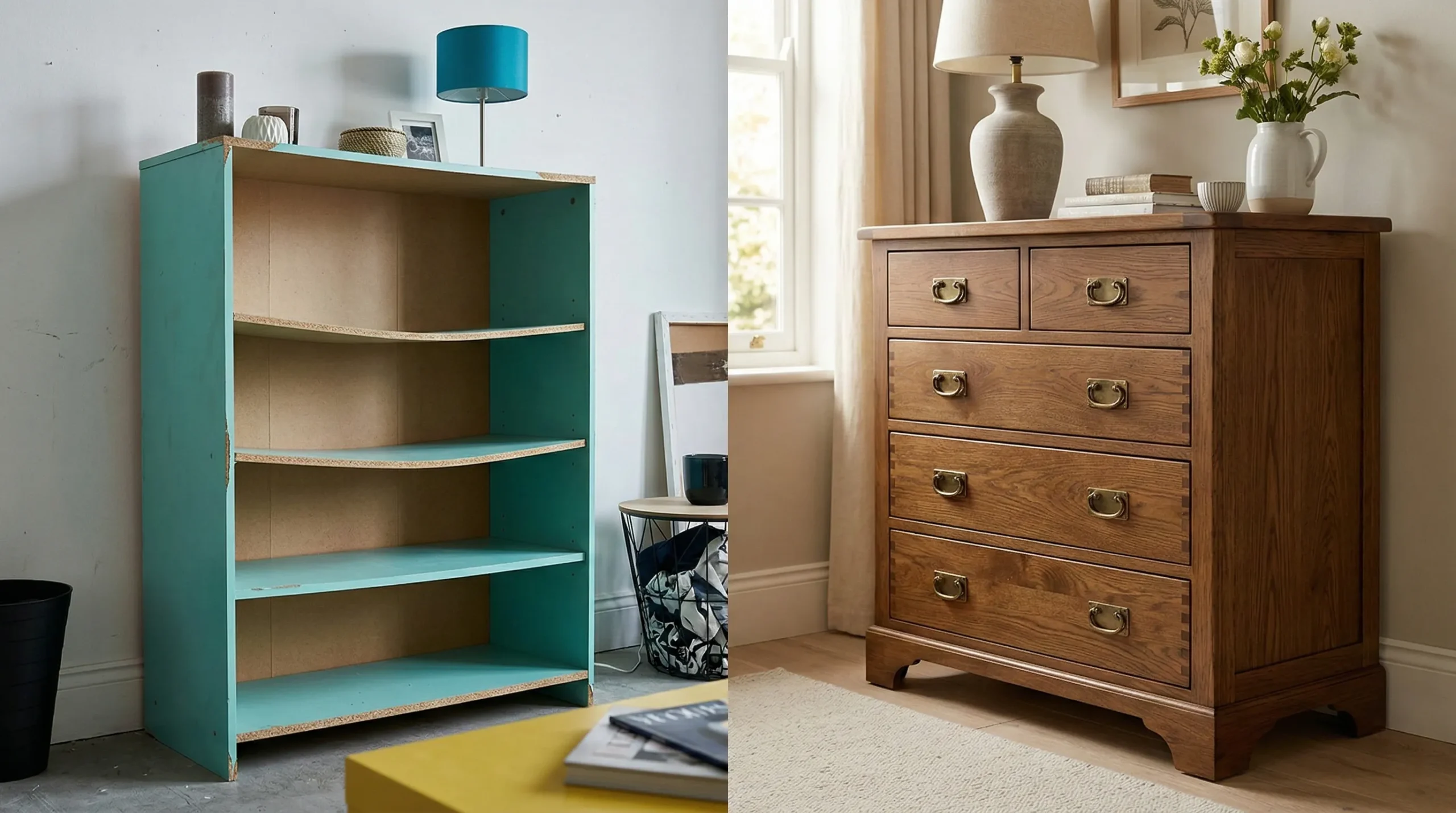
Furniture is one of the few things we buy that should last for many years,
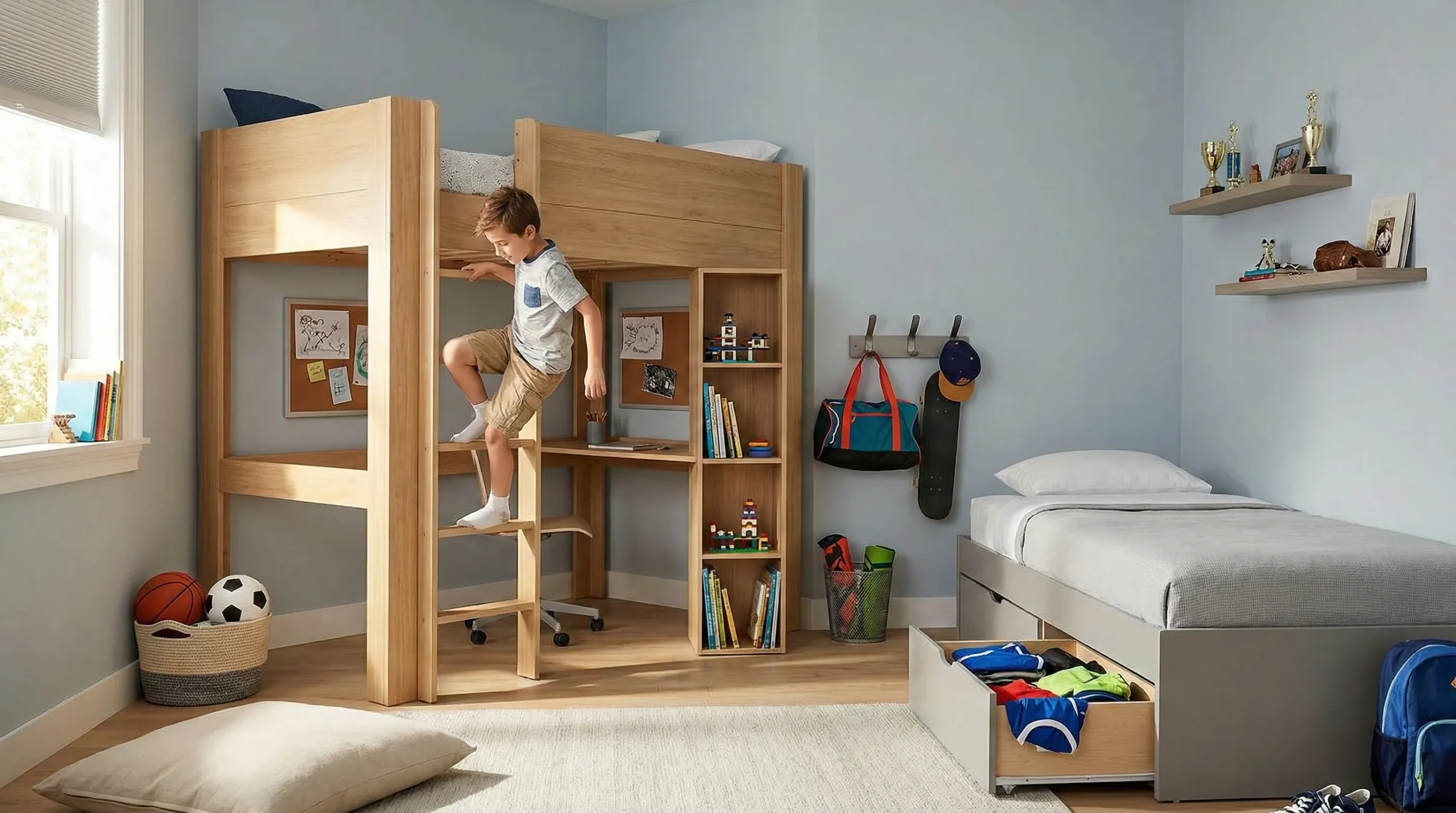
Active kids don’t sit still. They climb, build, jump, sprawl, read, tinker, craft, and turn
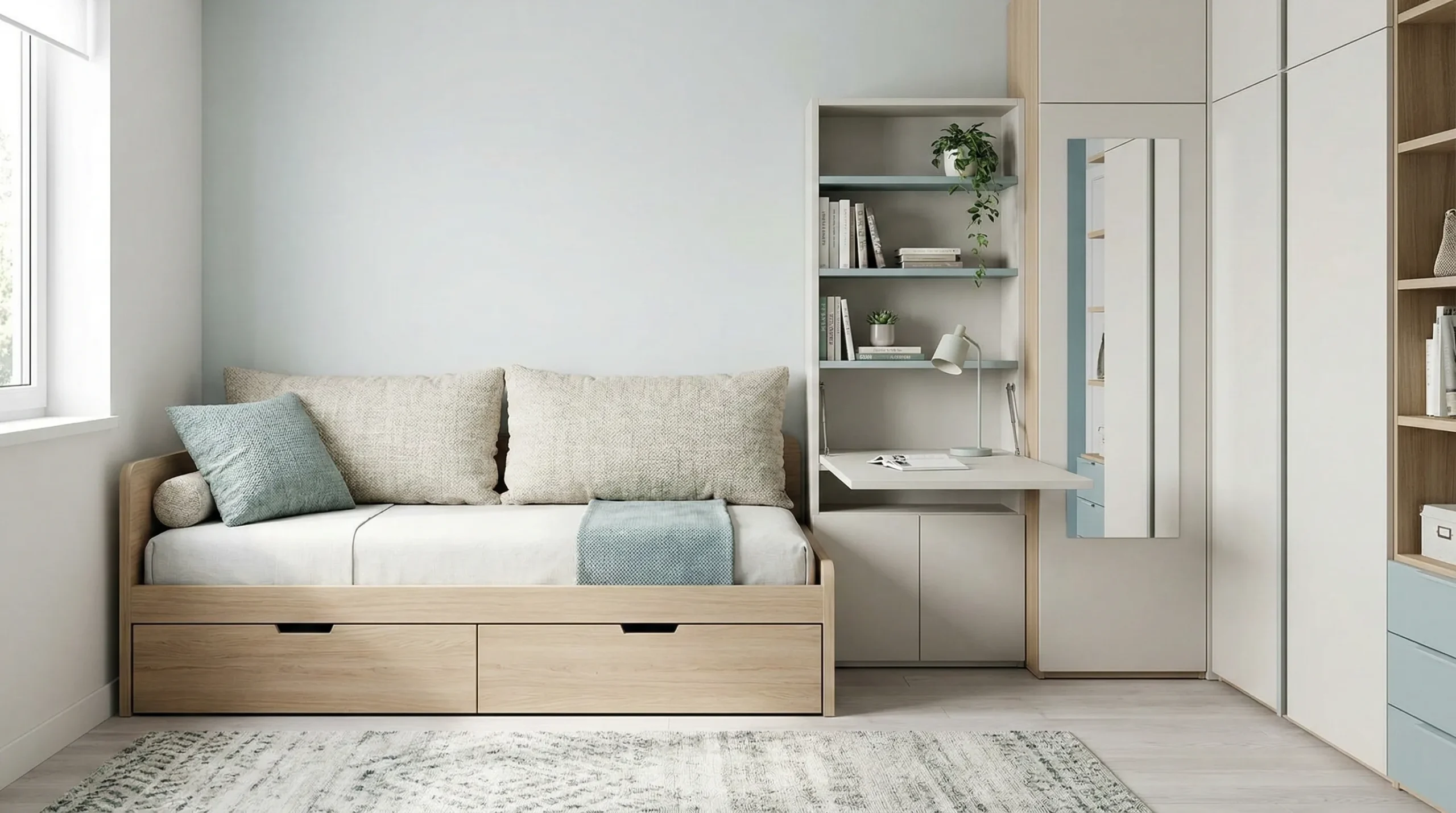
Compact bedrooms can be a blessing and a nuisance at the same time. They’re cosy,
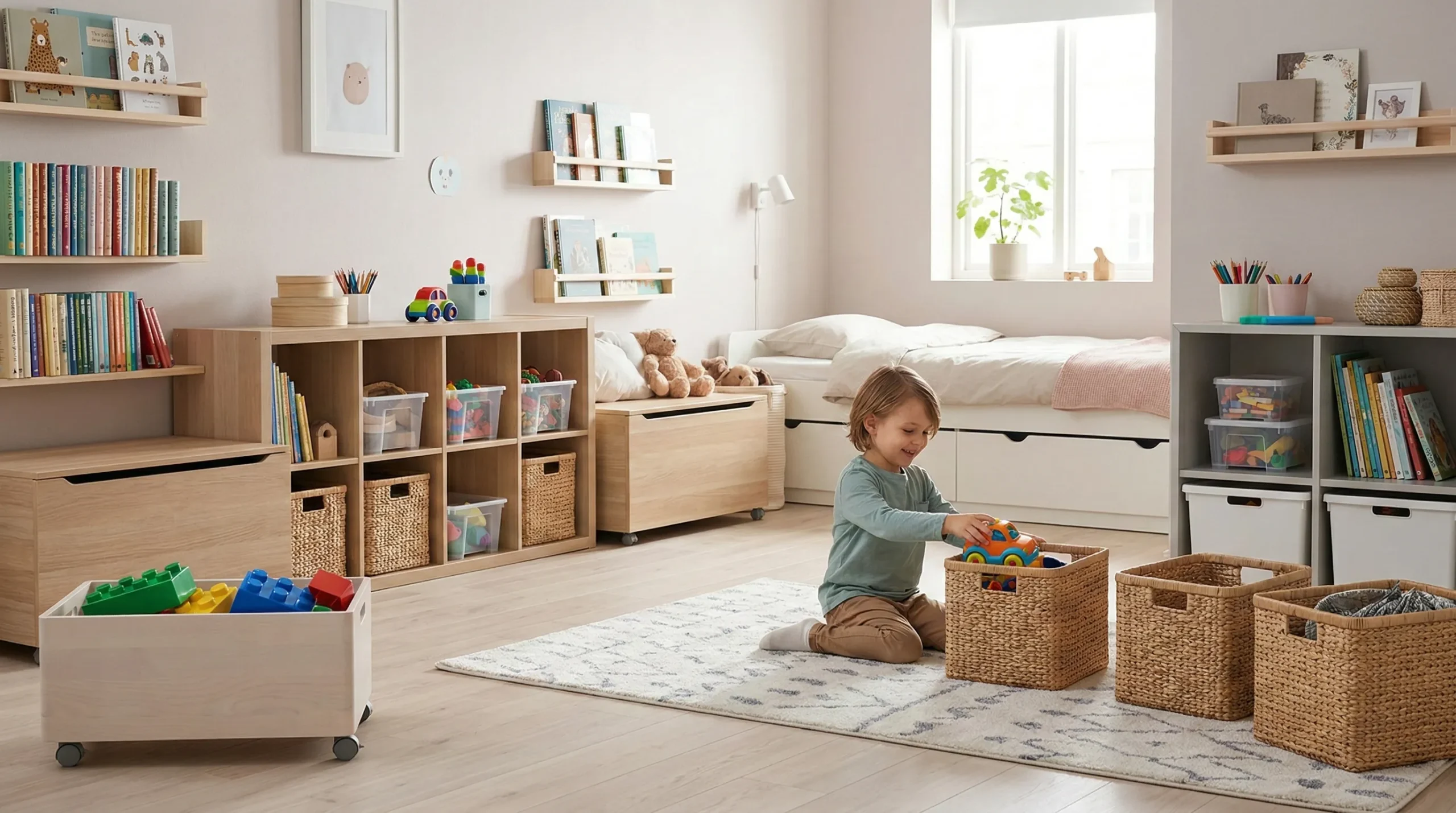
Decluttering a child’s room can feel like one of the most exhausting jobs in a
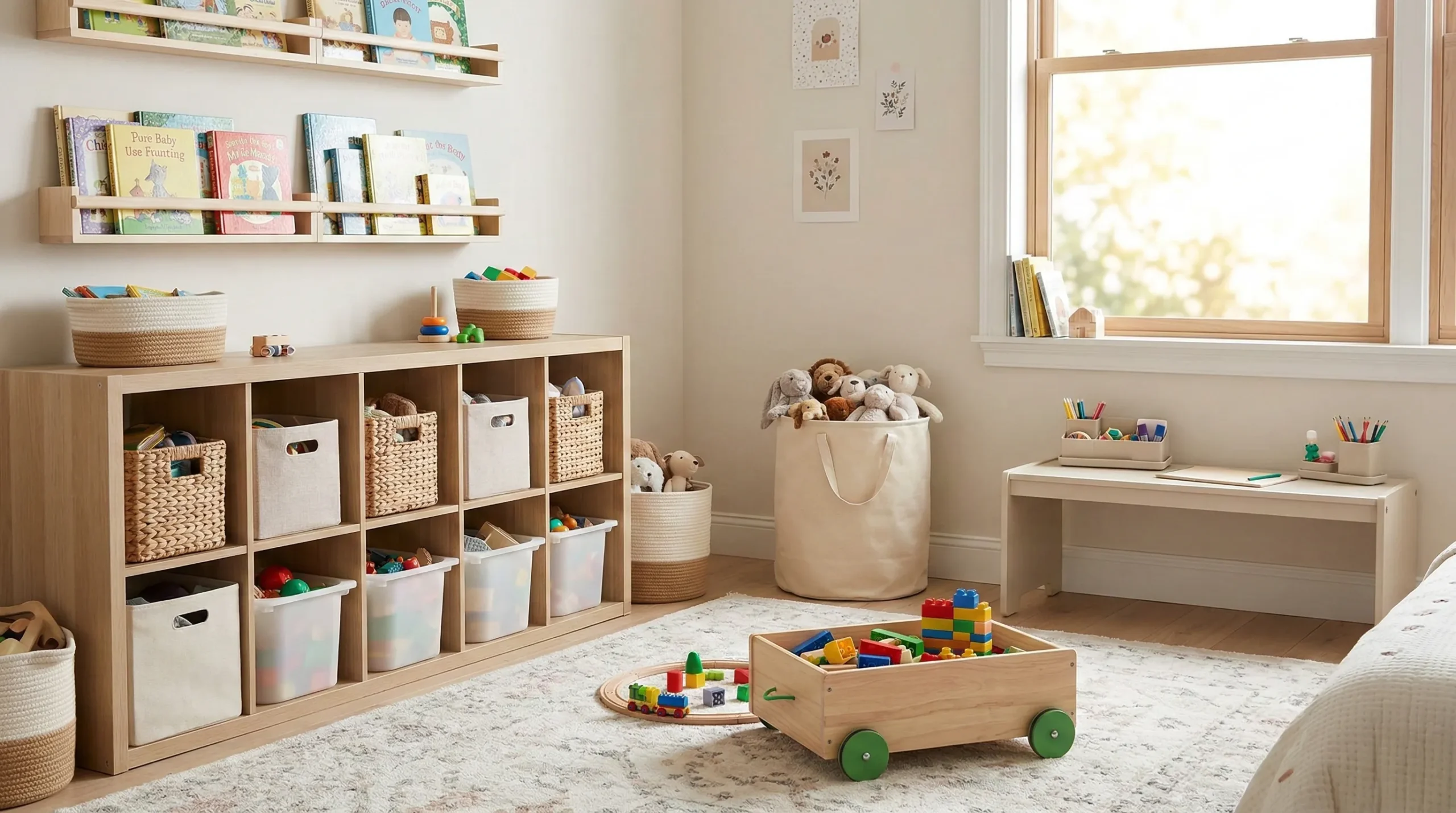
Toy storage is one of those topics that every parent thinks they’ve solved… until they
At Kids & Teens Home Journal, we are dedicated to curating beautiful, functional spaces for growing minds. Whether you have a question regarding our design guides, inquiries about Australian manufacturing standards, or topic suggestions for future publications, we invite you to get in touch. Fill out the form below to connect with our editorial team.
Thoughtful design requires more than just aesthetics; it requires foresight. Before you commit to a renovation or purchase new furniture, we invite you to explore our core philosophies. Click through the topics below to discover how intentional planning can elevate your home and support your growing family.
Designing a child’s bedroom requires foresight. Rooms built purely around novelty themes are quickly outgrown. A more disciplined approach ensures longevity.
Key considerations include:
A well-planned bedroom grows with the child. Beds, wardrobes and storage should accommodate transition from early childhood through later years. Good design is measured not only by appearance, but by how long it continues to function effectively.
Through the articles in this journal, you will gain clarity on how to assess room proportions, furniture placement and practical usability. That knowledge equips you to evaluate products and layouts objectively, rather than emotionally.
Teenage years introduce new priorities: privacy, productivity and identity. A successful teen retreat must balance comfort with discipline.
A properly structured teen space includes:
Study furniture must be selected carefully. Desk height, chair support and lighting are not minor details. They influence posture, concentration and long-term wellbeing. Understanding these fundamentals enables you to choose furniture that supports academic focus rather than undermines it.
By reading and applying the guidance provided here, you become better equipped to assess what is well designed and what is merely attractive marketing.
Clutter is more than visual untidiness. It disrupts routine, increases stress and creates friction in busy families. Intelligent storage planning is one of the most valuable investments in children’s rooms.
Effective storage strategies include:
When storage is designed intentionally, daily life becomes easier. Cleaning routines improve. Children develop habits of order. Parents experience less frustration.
The knowledge shared within this journal will help you understand not only what storage options exist, but why certain systems work better over time.
Furniture selected for children must meet higher expectations. It should be structurally sound, durable and safely finished.
When assessing furniture quality, consider:
Understanding these construction principles allows you to distinguish between superficial appeal and genuine quality. Well-made furniture may represent a greater initial investment, but it reduces replacement costs and enhances safety.
Education protects both your budget and your family.
Children’s rooms should not feel disconnected from the broader home. Cohesion creates calm and elevates the overall property presentation.
This does not require uniformity. Rather, it requires:
When children’s spaces integrate naturally with the rest of the home, the property feels intentional and well considered.
The insights provided throughout Kids & Teens Home Journal will help you understand how to maintain individuality in a child’s room while preserving overall harmony.
Families evolve. Bedrooms shift from nursery to child’s space, from shared room to private retreat. Forward planning reduces unnecessary expense.
Considerations include:
With informed planning, many major renovations can be avoided. Knowledge of room planning principles enables you to make decisions today that remain practical tomorrow.
Kids & Teens Home Journal has been structured as a practical authority resource. Every article is written to strengthen your understanding of design fundamentals, furniture quality, storage systems and long-term planning strategies.
By investing time in reading and learning:
Informed parents make better choices. Better choices create better environments. Better environments support stronger family life.
Welcome to Kids & Teens Home Journal — a place where knowledge leads to confident decisions and enduring, well-designed spaces.