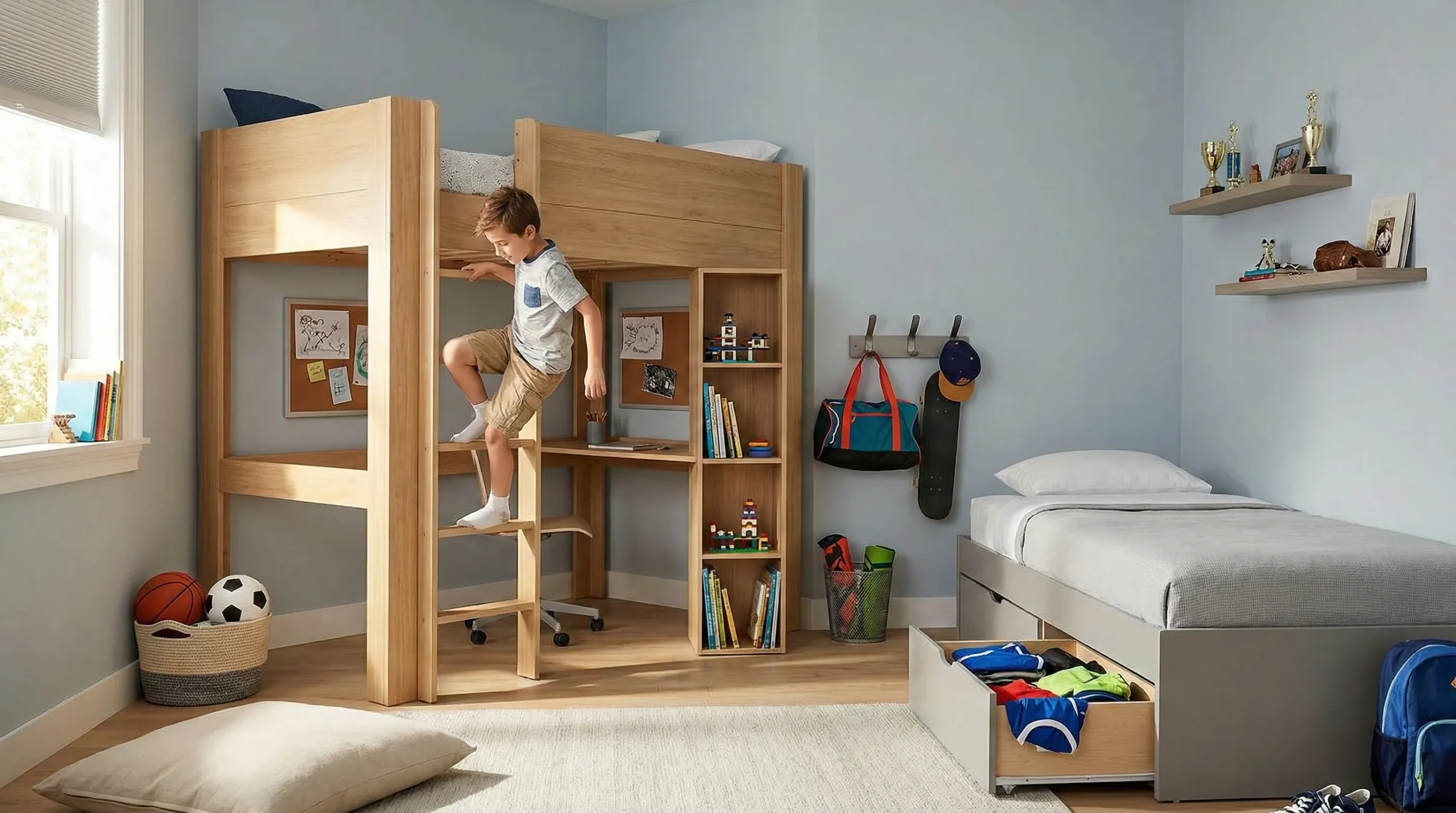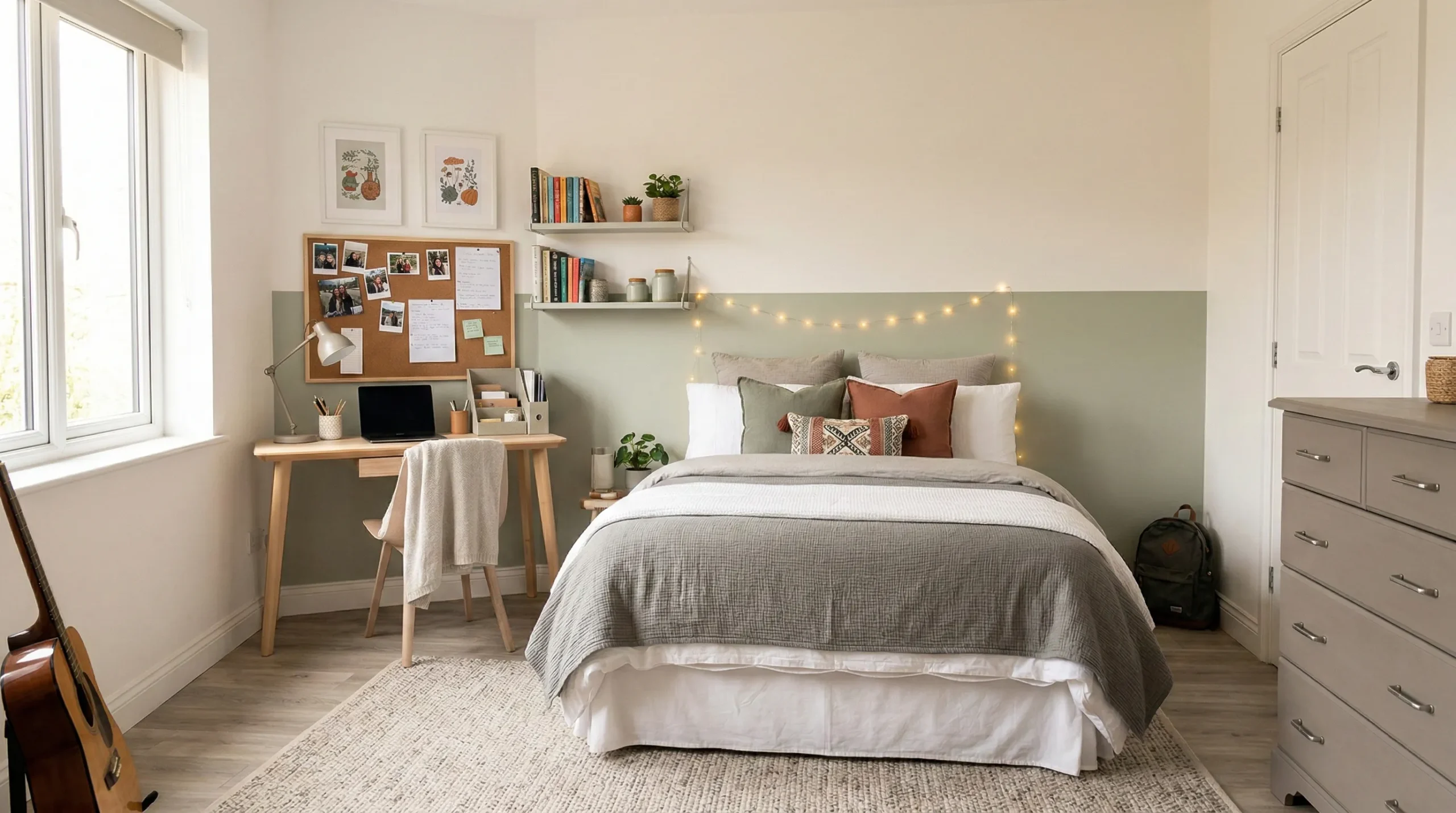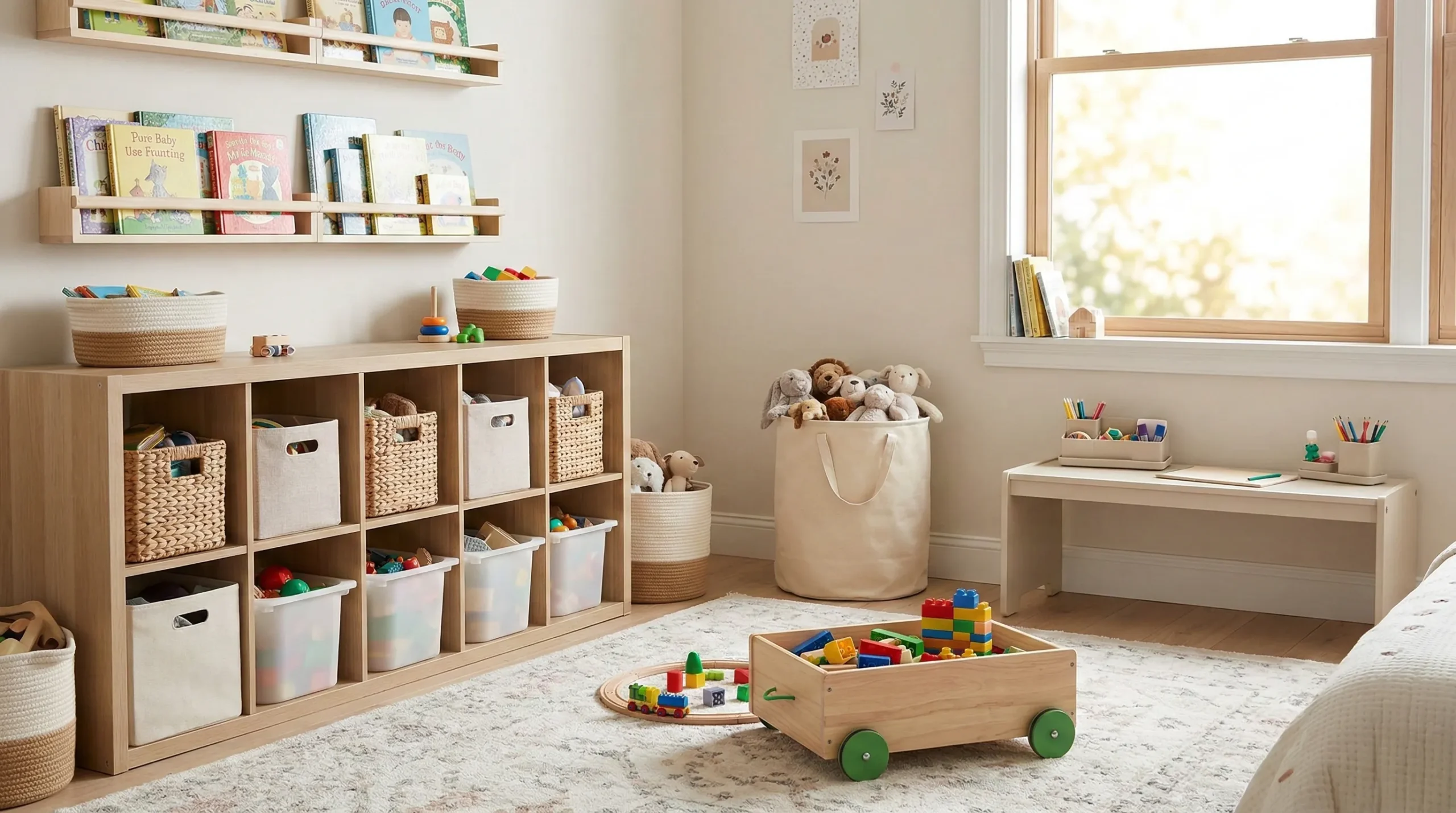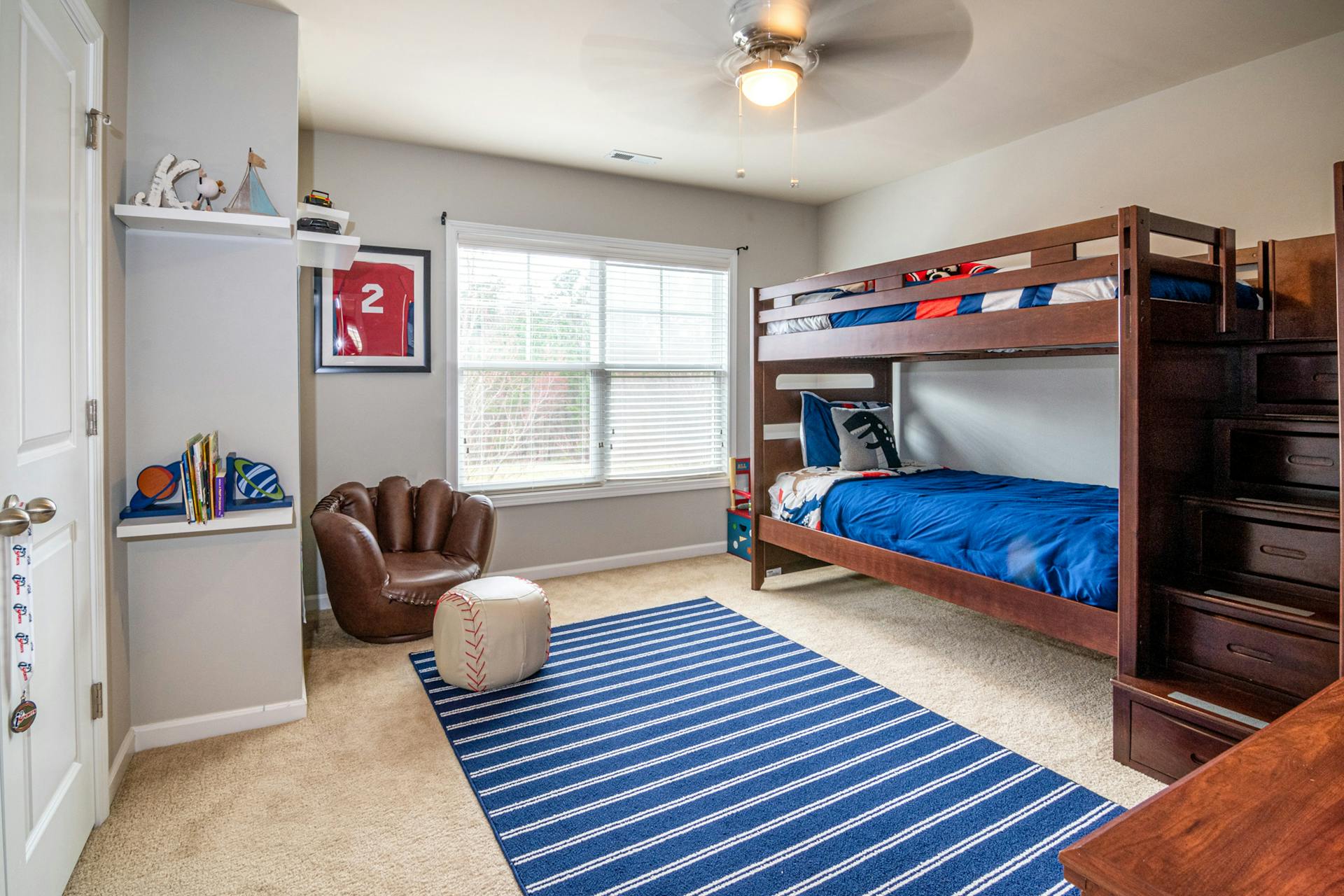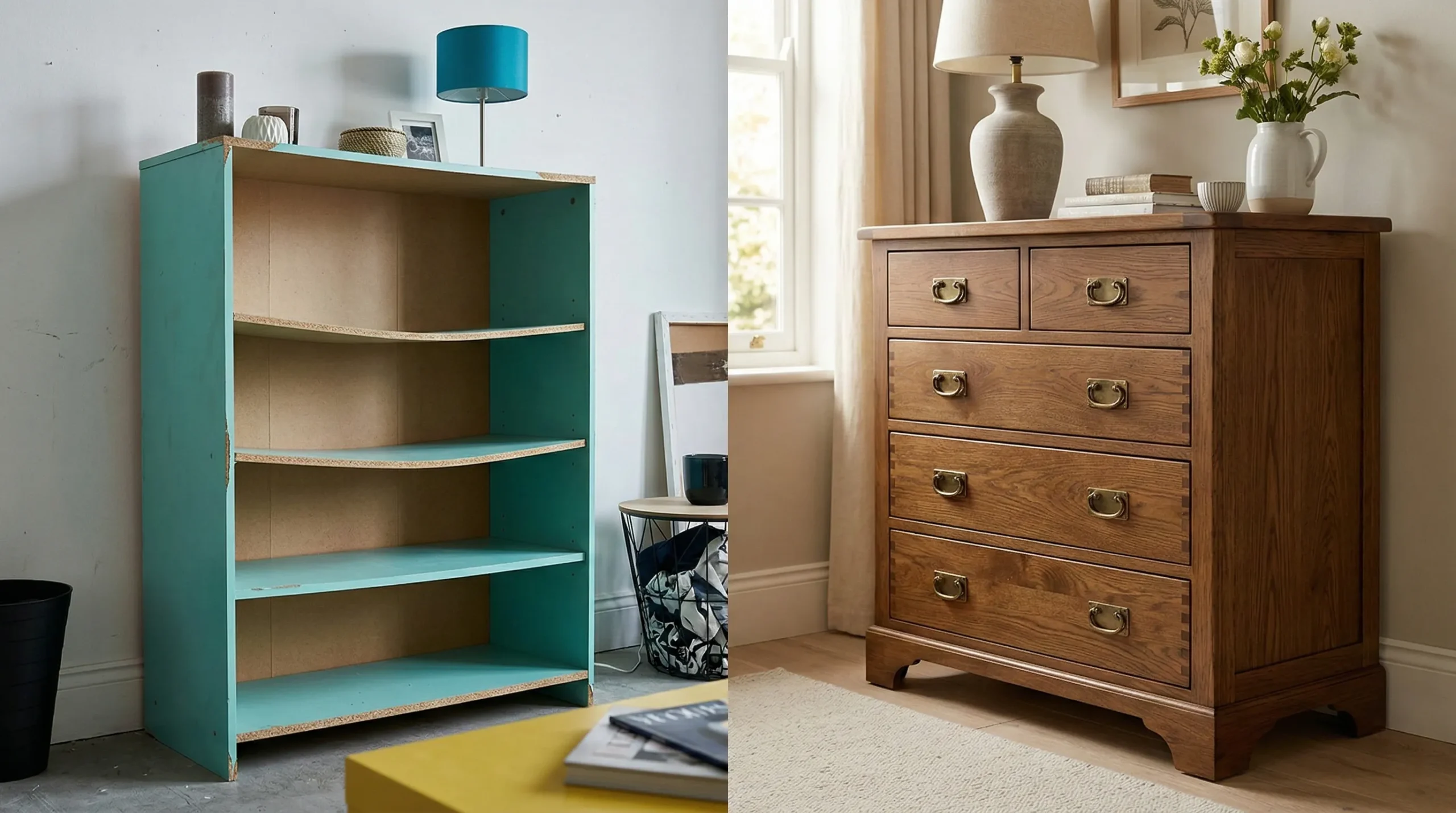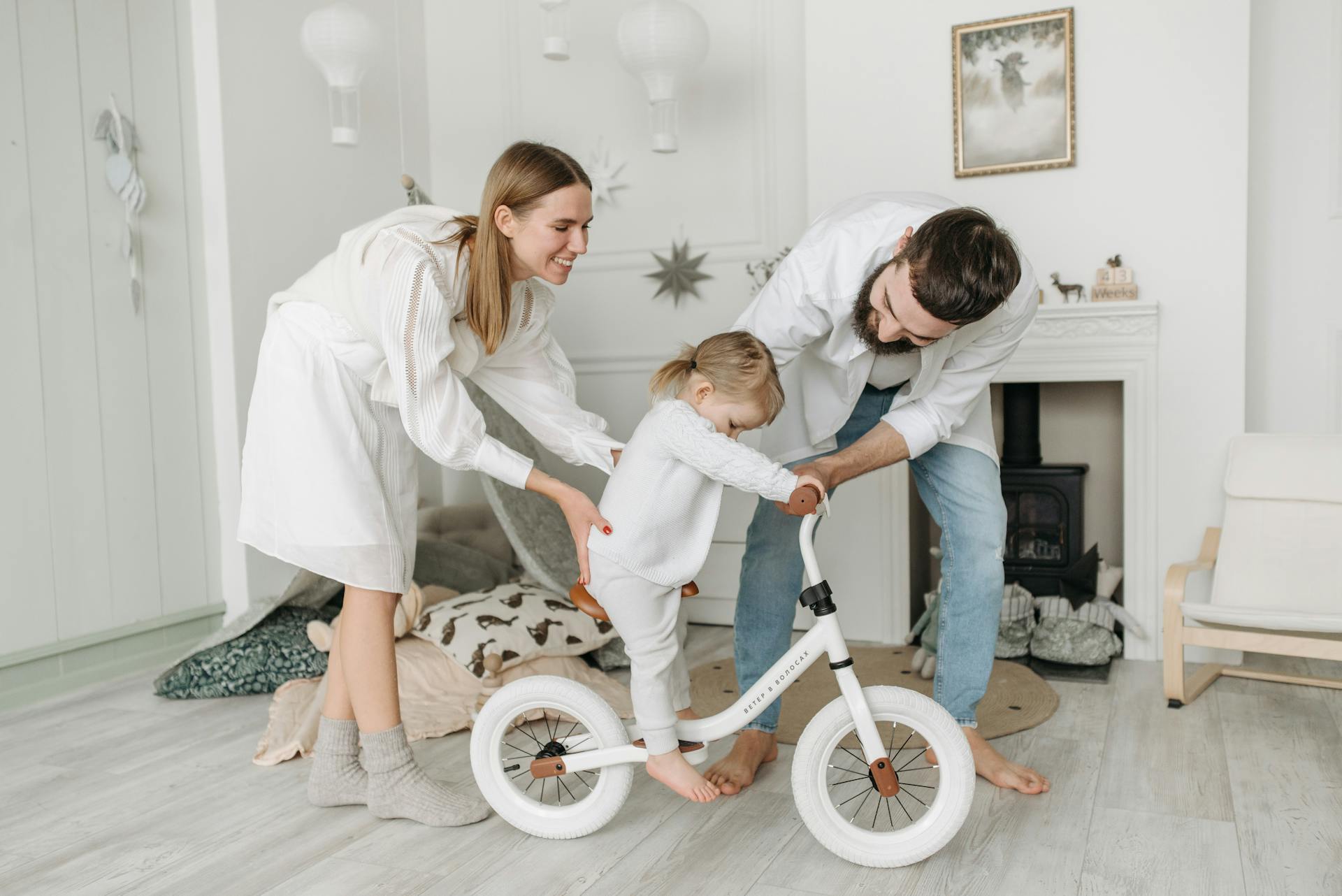
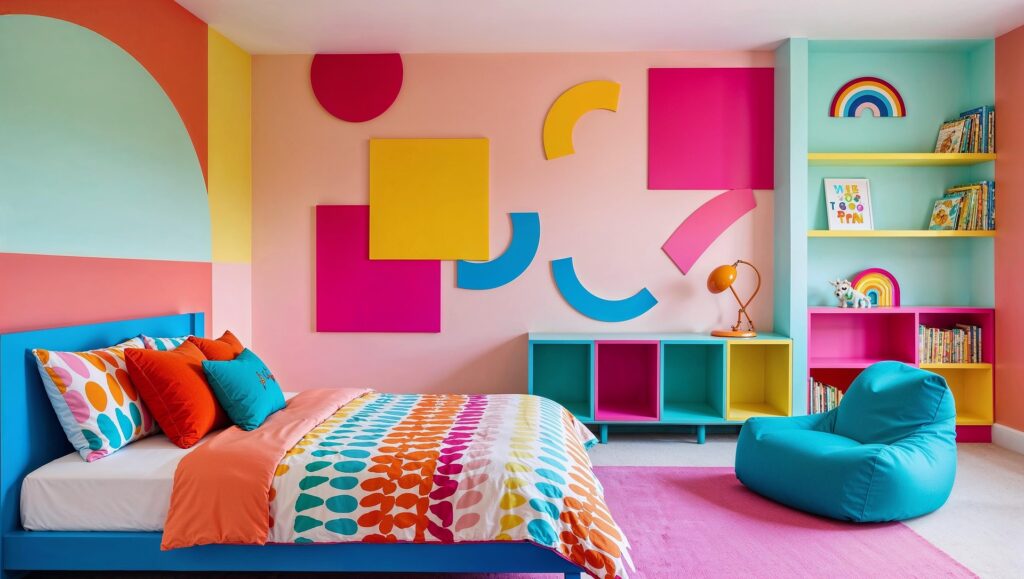

Designing a child’s bedroom between the ages of three and five is one of the most enjoyable and important projects a parent can undertake. At this stage of childhood, a bedroom is not simply a place to sleep. It is a private world. It is a place where imagination is born, where independence starts to form, and where a child begins to develop a sense of identity and comfort.
Between ages three and five, children are rapidly developing language skills, emotional awareness, physical coordination, and creative thinking. They begin to play “make believe” more deeply and more frequently. They roleplay, invent characters, build little worlds, and act out scenes from stories or daily life. A bedroom that supports this type of play becomes more than a room—it becomes a developmental tool.
Parents often focus on the obvious aspects of a bedroom: the bed, the wardrobe, the colour of the walls, and perhaps some decorative items. But the real magic comes from how the room is designed to function. The best children’s bedrooms are built around comfort, safety, and freedom to explore. They provide a sense of calm while still offering inspiration.
This article is designed as a practical guide, based on real-world design principles and child development insights, to help parents create a beautiful, happy bedroom for children aged three to five. The focus is not on expensive décor, but on smart layout choices, sensory balance, and timeless design decisions that encourage imagination without creating chaos.
Understanding the Mind of a 3–5-Year-Old Child
A child aged three to five is learning to manage emotions, develop independence, and express creativity. They are still young enough to need comfort and security, but old enough to want control over their space.
At this age, children are drawn to environments that feel predictable and safe, but they also crave variety and stimulation. They love repetition, but they also want new ideas. This is why the best bedroom designs combine structure with creative freedom.
Their imagination is deeply tied to physical objects. A child will turn a chair into a car, a blanket into a cave, and a toy box into a pirate ship. They do not need complex technology or expensive entertainment to play. They need open floor space, easy-to-reach items, and “zones” that support different types of play.
The ideal bedroom design for this age group is one that feels calm and organised for parents, but magical and inspiring for the child.
The Core Principles of a Happy Imaginative Bedroom
A successful bedroom for ages three to five usually follows a few key principles.
First, the room must feel safe. Safety includes furniture stability, non-toxic materials, rounded edges, and appropriate bedding height.
Second, the room must feel emotionally comforting. This means warm lighting, soft textures, and a sense of familiarity.
Third, the room must invite creativity. Creativity thrives when the room is not cluttered, but also not sterile. A bedroom should feel like a “child’s space,” but still be stylish and balanced.
Fourth, the room should allow independence. Children at this age want to reach their own clothes, access toys without help, and make decisions about their environment.
Finally, the room should be flexible. Children grow quickly, and a bedroom that can evolve over time will save money and reduce stress.
Start with Layout: The Bedroom Must Support Play
The layout is the foundation of the entire bedroom design. Many parents make the mistake of filling every corner with furniture. But children need open space.
A child’s imagination often begins with floor space. They build with blocks, spread out toys, play with dolls, race cars, or pretend to cook. The floor is their stage.
When designing the layout, aim to keep a clear play area in the centre of the room. This area does not need to be large, but it should feel open.
The bed should be placed in a way that does not dominate the room. A low toddler bed or small single bed works best, as it does not create a visual wall or take up too much vertical space.
Storage should ideally be placed along one wall. Low storage units are far better than tall wardrobes for this age group because they give children access and reduce the risk of tipping.
The play area should not be blocked by rugs that are too thick or furniture that is awkwardly placed. If you can, design the bedroom so the child can walk around easily without obstacles.
A good layout makes the room feel larger, cleaner, and more welcoming.
The Bed: Comfort, Security, and Imagination
The bed is the centrepiece of the bedroom, but it should not feel like an adult bed scaled down. For ages three to five, a bed should feel safe, cosy, and fun.
Low-profile beds are ideal because they give children confidence. A child who can climb in and out of bed without assistance feels empowered. This independence is a major part of emotional development.
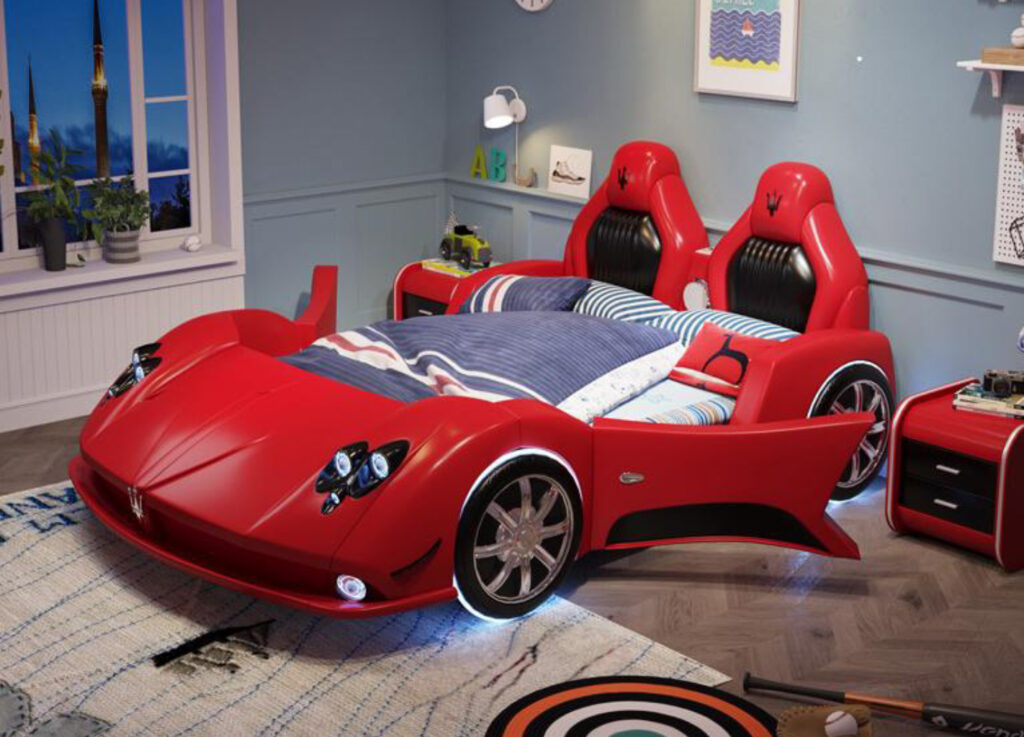
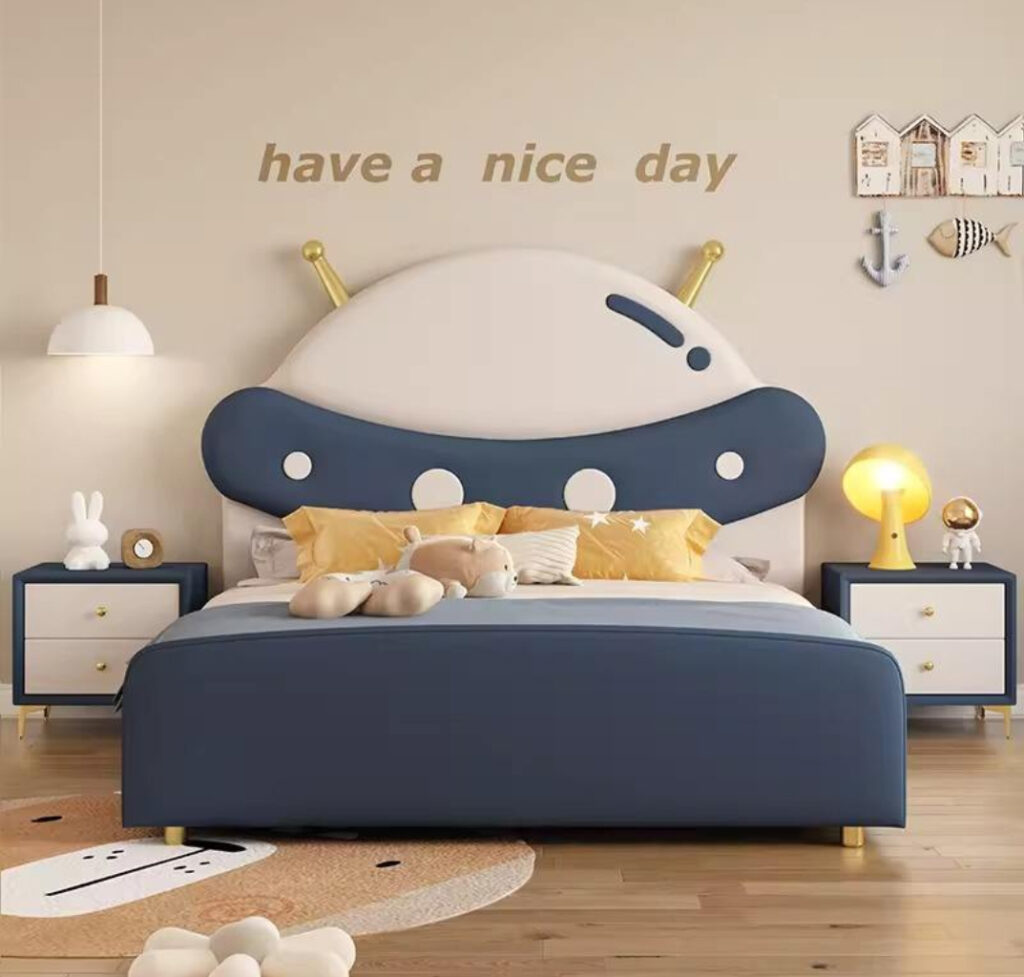
A bed can also become part of imaginative play. Many children use their bed as a “castle,” “boat,” or “rocket ship.” Beds with simple timber frames, house-shaped headboards, or soft upholstered designs can add personality without overwhelming the room.
For a more imaginative theme, you can incorporate gentle details such as carved shapes, a canopy frame, or soft fabric draping. However, it is best to avoid heavy themes that the child may outgrow quickly.
Instead of building an entire “princess” or “superhero” bedroom, focus on timeless base furniture and use removable accessories for themes.
A good quality mattress is essential, and bedding should feel soft and breathable. Comfort directly impacts sleep quality, which impacts mood, learning, and emotional stability.
Lighting: The Most Underrated Part of Bedroom Happiness
Lighting is one of the most important elements of a child’s bedroom, yet it is often treated as an afterthought.
Children aged three to five can be sensitive to harsh light. Bright white overhead lights can make a room feel clinical or uncomfortable. Warm lighting is better for creating a calm atmosphere.
A good lighting plan includes three layers.
The first layer is general lighting, such as a ceiling light. This should be soft, warm, and evenly spread.
The second layer is task lighting, such as a bedside lamp or reading light. Children love bedtime stories, and a gentle lamp creates a comforting ritual.
The third layer is mood lighting. This can be a small nightlight, fairy lights, or a dimmable lamp. Mood lighting helps children feel secure, especially if they are afraid of darkness.
Nightlights should be warm-toned rather than blue-toned. Warm tones feel safe and cosy. Blue tones can interfere with sleep cycles.
A well-lit room feels happier. It also feels more magical, particularly when gentle lighting highlights textures and colours.
Colour Choices: Creating Joy Without Overstimulation
Colour has a powerful influence on a child’s mood. Many parents assume that children’s bedrooms must be filled with bright primary colours. But too much bold colour can create overstimulation.
A happy imaginative bedroom does not need to be loud. It needs to feel balanced.
The best approach is to choose a neutral base colour for the walls, then add colour through furniture accents, rugs, artwork, cushions, and toys.
Soft whites, warm creams, light greys, pale sage greens, dusty blues, and gentle beige tones work beautifully as base colours. These colours make the room feel calm and spacious.
Then, add playful colour through accessories. This allows you to update the room easily as the child grows.
For example, you might use a soft neutral wall colour and then introduce mustard yellow cushions, a pastel rainbow rug, and bright storybook artwork.
Children do not need a room that is bright everywhere. They need moments of colour and fun, balanced by calm spaces.
This balance encourages imagination because the room feels open and peaceful rather than visually overwhelming.
Create Zones: How to Encourage Imagination Through Structure
Children thrive when their environment is organised into simple zones. A bedroom with clear zones makes it easier for them to play, relax, and sleep.
A bedroom for ages three to five should ideally have four zones.
The first zone is the sleeping zone. This includes the bed, bedside table, and soft lighting.
The second zone is the play zone. This is the open floor area with a rug and space to spread out toys.
The third zone is the reading zone. This could be a small bookshelf with cushions, a bean bag, or a soft armchair. Even a small corner can become a reading nook.
The fourth zone is the storage zone. This includes toy boxes, shelves, and drawers.
Zones help children understand what the room is for. They also reduce clutter, because toys have a designated place.
A reading zone is particularly valuable because it encourages early literacy and quiet time. Children aged three to five often enjoy “pretend reading,” looking at pictures, and making up stories. This is an important developmental step.
A well-designed reading zone can become one of the child’s favourite places.
Furniture Choices: Choose Pieces That Support Independence
The best children’s furniture is designed for their height and ability.
If a child cannot reach their clothing, toys, or books, they rely on adults. This reduces their sense of ownership over their space.
Low wardrobes, open shelving, and drawers that slide smoothly help children become more independent. A child who can choose their own pyjamas or put away toys learns responsibility and confidence.
Furniture should also be sturdy. Children climb. They pull. They lean. Furniture must be stable and well-built.
Rounded corners are preferable, especially on bedside tables and storage units.
Upholstered furniture is an excellent addition to imaginative bedrooms because it adds softness and comfort. A small upholstered chair or child-sized lounge chair can become a “throne,” “captain’s chair,” or “teacher’s seat” during play.
These pieces create roleplay opportunities and encourage storytelling.
Storage: How to Control Chaos Without Killing Creativity
Storage is the key to keeping a bedroom functional. But storage must be designed in a way that does not suppress creativity.
Children need access to their toys. If toys are stored in boxes that are difficult to open or shelves that are too high, children lose interest.
The best storage system for ages three to five is simple and visible.
Open shelves, labelled baskets, and easy-access toy boxes work best. Transparent containers can also help, but they can look cluttered.
A balanced solution is to use stylish baskets or fabric storage bins that hide clutter while still being easy for children to access.
Toy rotation is another powerful method. Instead of keeping every toy in the room, store some toys away and rotate them every few weeks. This keeps the room cleaner and makes old toys feel new again.
A bedroom that feels organised is more peaceful. A peaceful room encourages deeper play because the child can focus rather than feeling overwhelmed.
Textures and Soft Furnishings: Sensory Comfort Matters
Children experience the world through their senses. A bedroom that feels soft and inviting supports emotional comfort and calmness.
Soft furnishings can include rugs, curtains, cushions, throws, and upholstered furniture.
A rug is particularly important because it creates a play surface and makes the room feel warm.
Curtains should ideally block out light for naps and early bedtimes. Blackout curtains are excellent, but they should still look soft and stylish.
Bedding should be comfortable and breathable. Natural fabrics like cotton are ideal.
Texture is also a design tool. A bedroom with a mix of textures feels richer and more stimulating in a positive way.
For example, a soft wool rug, linen curtains, and a plush cushion can make a room feel cosy without being cluttered.
Wall Décor: Encourage Imagination Through Visual Storytelling
Walls are an opportunity to create inspiration without adding physical clutter.
Instead of covering walls with random posters, aim for thoughtful pieces that support imagination.
Artwork can include storybook illustrations, animal prints, maps, alphabet posters, or framed drawings.
Wall decals are also a good option because they are removable. A child might love dinosaurs now, but in a year they may want space themes.
A simple mural wall can be powerful. For example, a painted rainbow, a forest silhouette, or a gentle cloud design can create a sense of magic without being too childish.
Avoid overly bright wall designs that dominate the room. A subtle imaginative theme works best.
Imaginative Features: What Makes a Bedroom Feel Magical
A bedroom that encourages imagination often includes one or two special features. These features become the heart of the room.
One feature might be a small teepee or canopy tent. Children love enclosed spaces. They feel safe, and they enjoy pretending it is a house, cave, or spaceship.
Another feature might be a dress-up corner. A small rack with costumes and accessories encourages roleplay and storytelling.
A chalkboard wall section is also excellent. Children love drawing, and a chalkboard gives them freedom without damaging walls.
A simple puppet theatre or stage curtain can also be a wonderful imaginative addition.
However, it is important not to add too many “special features.” One or two is enough. Too many can make the room feel cluttered and overstimulating. The goal is to create an environment that invites creativity, not one that overwhelms.
Sound and Quiet: Bedrooms Should Feel Peaceful
Children are sensitive to sound. A noisy environment can make it harder for them to relax and sleep.
Soft furnishings help reduce echo. Rugs, curtains, and upholstered furniture absorb sound.
If the home is noisy, consider using a white noise machine. Many parents find it helps children settle.
It is also important to avoid having loud electronic toys in the bedroom. The bedroom should feel like a place of calm and rest.
If children want noisy play, it is often better to keep those toys in the living room or playroom.
A calm bedroom supports better sleep, and better sleep supports better behaviour, learning, and emotional stability.
Safety Considerations: A Bedroom Must Be Safe to Explore
A child aged three to five will climb and explore. Safety must be built into the design.
Heavy furniture should be anchored to the wall. This includes bookshelves and tall storage units.
Cords from blinds and curtains should be secured.
Small items that could be choking hazards should be kept out of reach.
If the child is still using a toddler bed, guard rails may be needed.
Avoid sharp-edged furniture and glass surfaces.
Use non-toxic paints and materials where possible. Children touch everything, and they often put objects in their mouths.
The safest bedrooms are those where the child can explore without constant warnings.
The Importance of Routine: Design the Bedroom Around Habits
Bedrooms are not only physical spaces. They are part of a child’s daily rhythm.
A good bedroom design supports routine.
A reading nook supports bedtime stories.
A small shelf near the bed supports a bedtime book collection.
A nightlight supports settling.
A low wardrobe supports morning routines where the child chooses clothing.
When the bedroom supports routine, it becomes a stable part of the child’s life. Stability creates emotional security.
Children aged three to five thrive on predictable routines, and a well-designed room helps make those routines natural.
How to Keep the Bedroom Looking Beautiful (Even with Toys Everywhere)
Parents often want the bedroom to look beautiful, but they worry it will always look messy.
The secret is to design for the reality of children’s lives.
Choose furniture with built-in storage. Use baskets for quick clean-ups. Keep decorative items minimal. Choose a colour scheme that ties everything together, even if toys are colourful. Use neutral walls so the room does not feel chaotic.
A beautiful bedroom does not need to look like a showroom. It needs to feel warm, inviting, and lived in.
How to Create a Bedroom That Grows with the Child
Children grow quickly. A bedroom should not be designed only for today.
The best approach is to invest in timeless base furniture and use accessories to create themes. A quality bed, wardrobe, and storage unit can last many years. Themes can be changed through bedding, artwork, and accessories.
This approach saves money and prevents the bedroom from becoming outdated too quickly.
A timeless bedroom can still feel imaginative, because imagination comes from how the child uses the space, not just from themed décor.
Common Mistakes Parents Make When Designing Bedrooms for Ages 3–5
There are several common mistakes that can reduce the success of a child’s bedroom design.
One mistake is using too many bright colours. This can overstimulate and make it harder for the child to settle.
Another mistake is overcrowding the room with furniture. This reduces play space.
A third mistake is using storage systems that children cannot access. This creates clutter and dependence.
Another mistake is designing the bedroom entirely around adult taste without considering what inspires the child.
Finally, many parents design a bedroom that looks good but does not function well. A child’s bedroom must support real life, not just appearance.
A Practical Bedroom Checklist for Ages 3–5
A well-designed imaginative bedroom usually includes:
- A low-profile bed for independence
- Soft warm lighting and a nightlight
- A clear open play area
- A comfortable rug for play
- Low storage shelves with baskets
- A reading nook with books within reach
- A small chair or lounge chair for comfort
- A few pieces of wall art or decals
- One special imaginative feature such as a tent or canopy
- A calm colour base with playful accessories
When these elements are combined, the bedroom becomes a space that supports both creativity and rest.
Final Thoughts: The Bedroom as a Childhood Memory
A child’s bedroom is one of the most important spaces in the home. It shapes their sense of comfort, imagination, and independence.
The best bedrooms for ages three to five are not the most expensive. They are the ones that feel safe, calm, and magical.
When a child has a bedroom that invites play and creativity, they develop confidence. They feel secure enough to explore and dream. They learn to entertain themselves, to create stories, and to develop emotional stability.
And for parents, there is nothing better than seeing a child walk into their room, smile, and feel truly at home.
A thoughtfully designed bedroom becomes a childhood memory. It becomes the place where stories are invented, teddy bears become best friends, and imagination turns ordinary life into adventure.
Explore Encharted bed collection for ages 3 to 5 exclusively at Maison Clair de Lune.