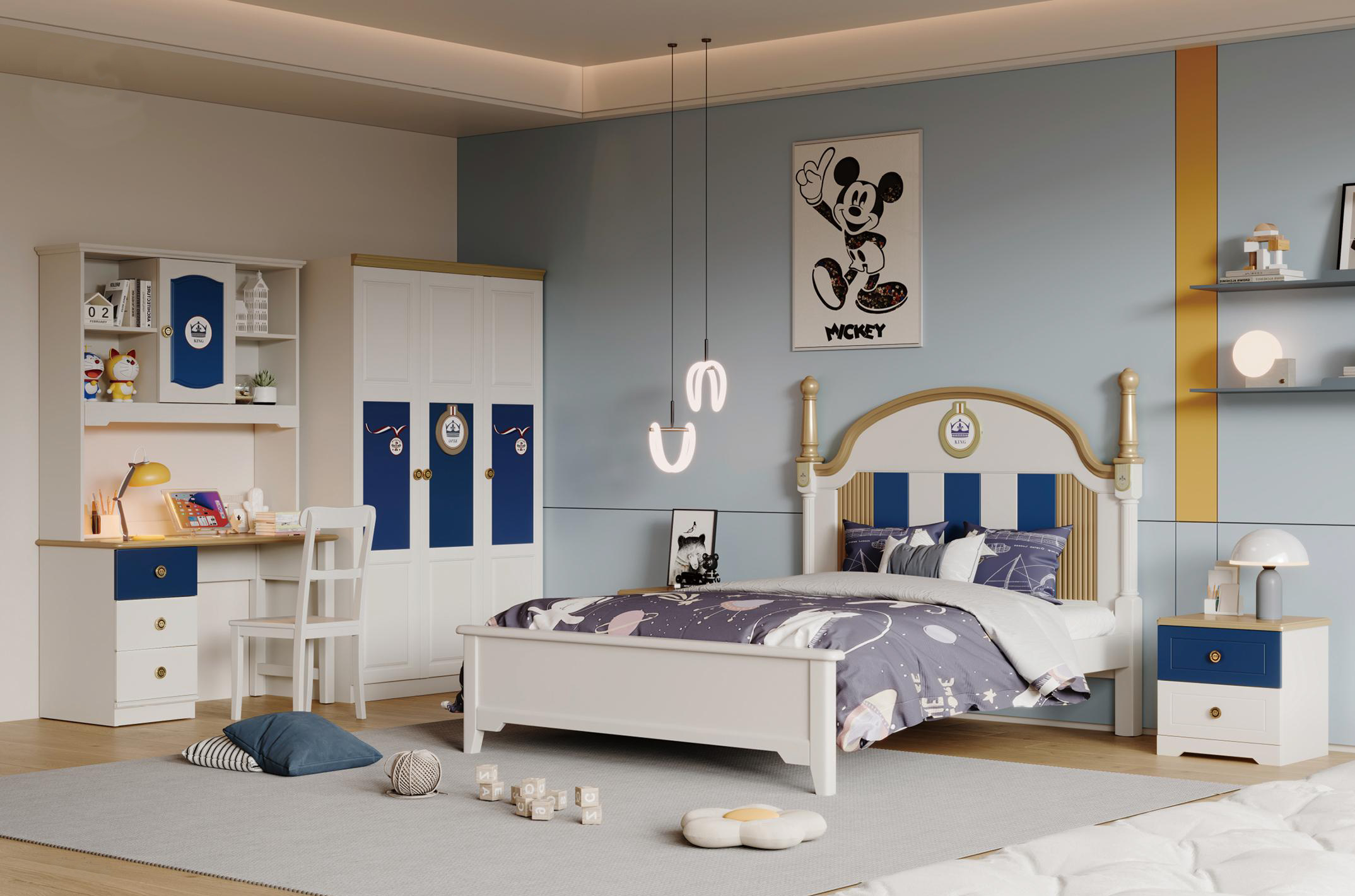

Buying children’s furniture is not as simple as buying a smaller version of adult furniture. Children use furniture differently. They climb, jump, pull, drag, lean, spill, and generally treat furniture far harder than adults ever will.
That means parents need to ask the right questions before buying, because the wrong purchase leads to:
- safety risks
- rapid damage
- frustration
- wasted money
- furniture that becomes unusable within a year
A well-made piece of children’s furniture should last for years and ideally grow with the child.
Below are the key questions every parent should ask before committing to a purchase.
1. Is This Furniture Safe for a Child’s Age Group?
Safety is always the first consideration. Furniture must be designed with a child’s behaviour in mind.
Ask:
- Are edges rounded or sharp?
- Is the item stable if climbed on?
- Can it tip over easily?
- Are there pinch points in hinges or moving parts?
- Are there exposed screws or sharp brackets?
- Does it meet Australian safety expectations?
For beds and bunks, ask specifically:
- is there a proper guard rail height?
- is the ladder secure and safe?
- are steps anti-slip?
- is the top bunk suitable for children under 9?
A bunk bed may look beautiful, but if it lacks correct guard rails or stability, it becomes a risk.
2. Is It Built to Handle Real Use (Not Just Look Good)?
Many children’s furniture pieces look appealing online but are not made for real daily use.
Ask:
- Will it withstand jumping?
- Will the joints loosen over time?
- Is it reinforced or cheaply stapled?
- Does it wobble when pushed?
Cheap furniture often uses:
- weak joints
- low-density particleboard
- thin hardware
- unstable frames
Good children’s furniture should feel solid, heavy, and well-braced.
3. What Materials Is It Made From?
Materials determine durability, safety, and lifespan.
Ask:
- Is it solid timber, engineered timber, or MDF?
- Is the timber kiln-dried?
- Are the panels thick enough?
- Are the finishes non-toxic?
Parents should avoid products with vague descriptions such as:
- “wood”
- “engineered board”
- “composite material”
If a supplier cannot clearly state what materials are used, it usually means the product is low-grade.
4. Is the Paint or Finish Non-Toxic and Child-Safe?
Children touch furniture constantly. Younger children may even chew edges or rub surfaces.
Ask:
- is the paint water-based?
- is it low-VOC?
- does it meet international safety standards?
- does it contain lead or harmful chemicals?
A reputable supplier should be transparent about finishes and coatings.
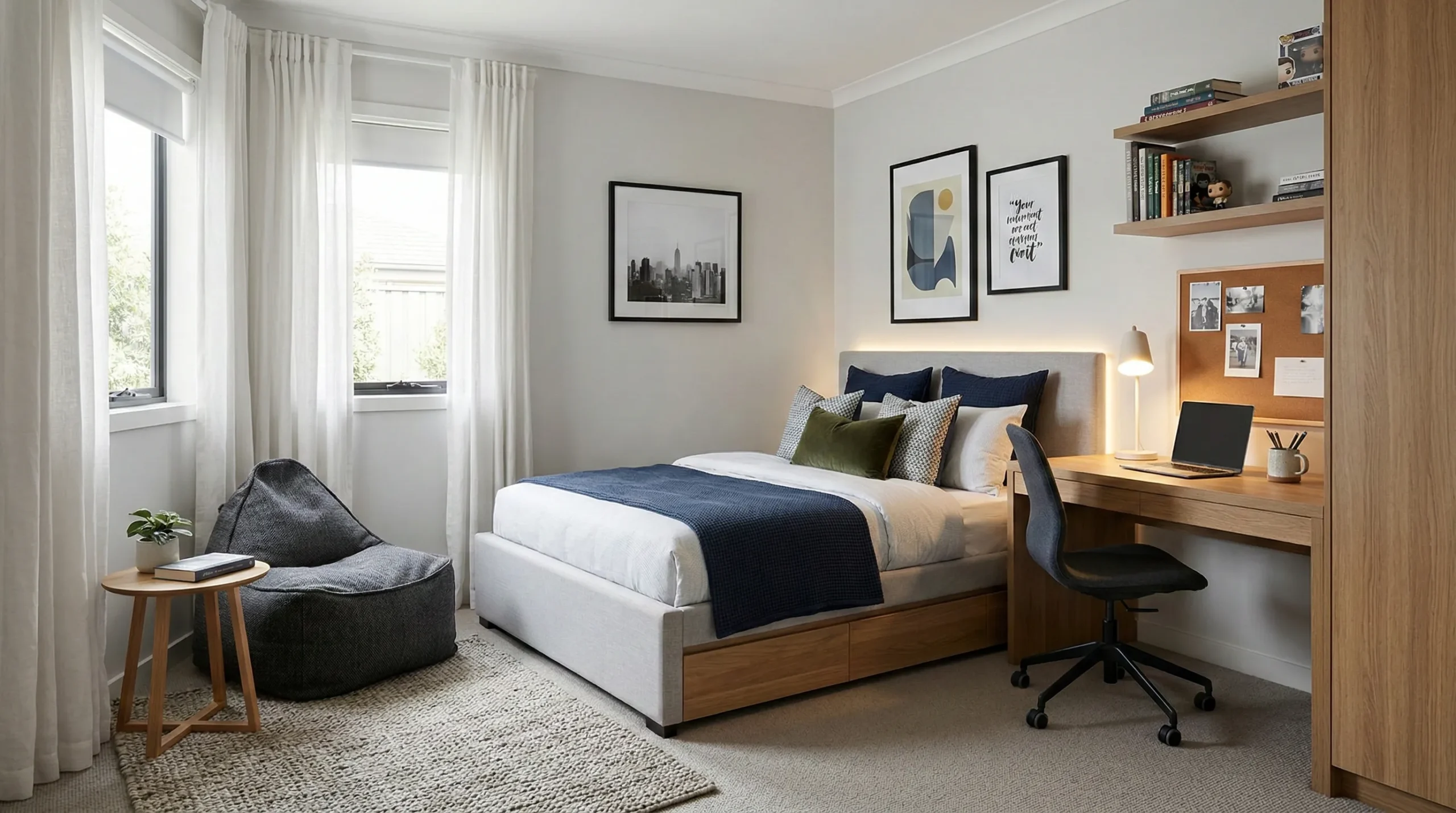
5. Will This Furniture Still Suit My Child in 3–5 Years?
Children grow quickly. Many parents buy themed furniture that looks wonderful at age 4, but becomes embarrassing at age 9.
Ask:
- will this still look suitable in primary school?
- will it suit a teenager?
- can it be repainted or updated?
- does it have a timeless design?
The best children’s furniture is designed with growth in mind.
6. Does It Provide Storage or Solve a Real Space Problem?
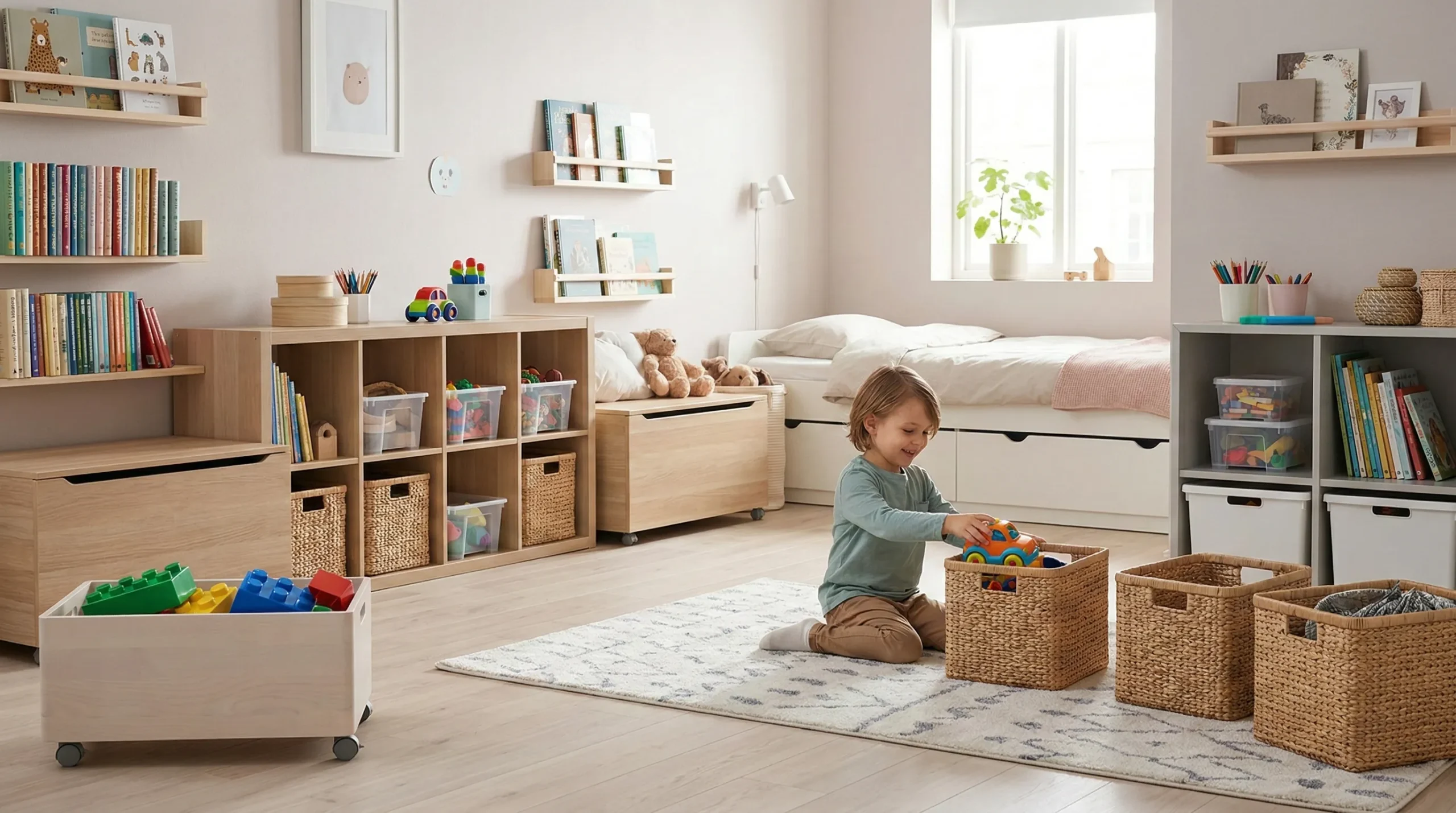
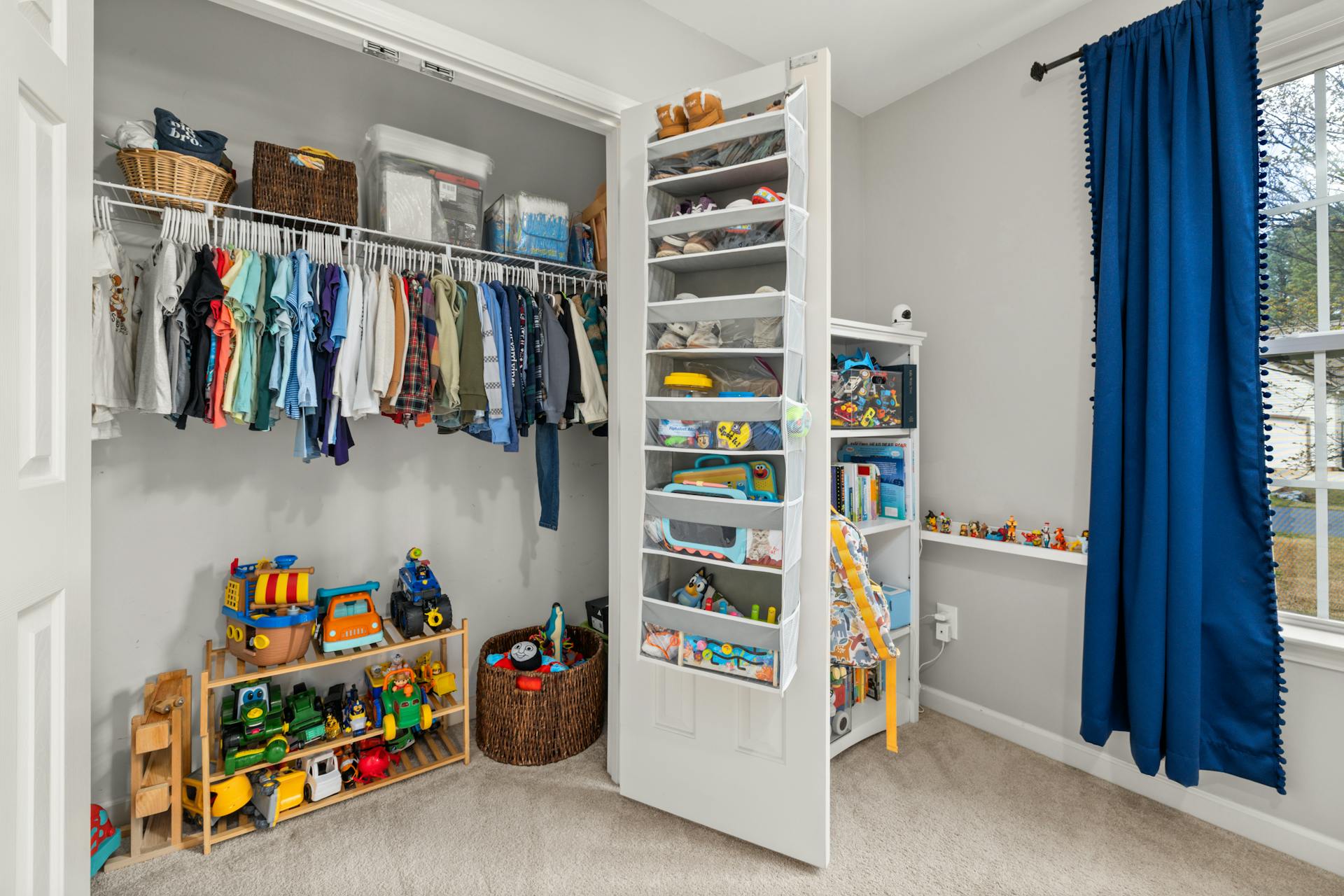
A child’s bedroom is often cluttered with toys, books, clothes, sports gear, and school items.
Ask:
- does this bed have storage drawers?
- does it include shelving?
- does it reduce the need for extra furniture?
- will it make the room more organised?
Furniture should not just “fill the room”. It should solve problems.
7. Is It Easy to Clean and Maintain?
Children spill drinks, drop food, and smear fingerprints everywhere.
Ask:
- can the surface be wiped clean easily?
- does fabric stain easily?
- is the upholstery removable or washable?
- will scratches show quickly?
Some materials look beautiful but are impractical for children.
8. How Strong Is the Warranty?
A warranty tells you what the manufacturer believes about their own product.
Ask:
- how long is the warranty?
- does it cover structural defects?
- does it cover hardware failure?
- does it exclude “normal use” damage?
A good supplier should confidently provide a meaningful warranty.
9. Can I Get Replacement Parts Later?
Children’s furniture often needs parts replaced after years of use.
Ask:
- can you replace a ladder?
- can you replace a drawer runner?
- can you buy extra shelves?
If the supplier cannot provide spare parts, the furniture may become disposable after one small issue.
10. Is Assembly Straightforward and Reliable?
Some furniture is overly complex and becomes unstable if assembly is not perfect.
Ask:
- does it come with clear instructions?
- are all screws and fittings included?
- is the hardware high quality?
- do you provide support if something is missing?
A supplier should provide after-sales support, not disappear once payment is made.
11. What Is the Weight Rating?
This matters for beds, bunks, desks, and chairs.
Ask:
- what is the maximum weight load?
- is it suitable for adults sitting on it?
- can it handle sleepovers?
A bed should not only support a child. It should handle real-world conditions.
12. Does It Match the Room Layout Properly?
Parents often buy furniture without measuring properly.
Ask:
- what are the exact dimensions?
- will doors open properly?
- will the wardrobe still be accessible?
- does the bunk bed fit under the ceiling height?
Always measure:
- floor area
- ceiling height
- window placement
- door swing clearance
13. Is It a Long-Term Investment or a Short-Term Purchase?
Some parents want a budget option for a short period. Others want a premium long-term solution.
Ask yourself honestly:
- am I buying this for 2 years or 10 years?
- do I want something disposable or something that lasts?
- is it better to buy once and buy properly?
Well-built furniture often costs more upfront but saves money long-term.
14. Does the Supplier Have a Reputation for Quality?
Before purchasing, ask:
- how long has the supplier been operating?
- are there verified reviews?
- do they specialise in children’s furniture or are they general retailers?
A specialist supplier usually understands children’s needs better than mass-market retailers.
15. Will My Child Actually Enjoy Using It?
Children are more likely to use furniture properly if they like it.
Ask:
- does the child feel comfortable with it?
- is it inviting?
- does it feel like “their space”?
Furniture should encourage independence, comfort, and confidence.
Summary: The Smart Buyer’s Checklist
Before buying children’s furniture, always confirm:
- safety and stability
- strong construction
- quality materials
- non-toxic finishes
- long-term suitability
- easy cleaning
- practical storage benefits
- proper warranty and support
- correct sizing for the room
Final Word
Buying children’s furniture is one of those areas where shortcuts almost always cost more later. A good piece should last through multiple childhood stages and remain strong, safe, and attractive for years.
Ask the right questions now, and you will avoid disappointment later.
Explore a bespoke, premium children’s furniture collection at Maison Clair de Lune.