
Introduction
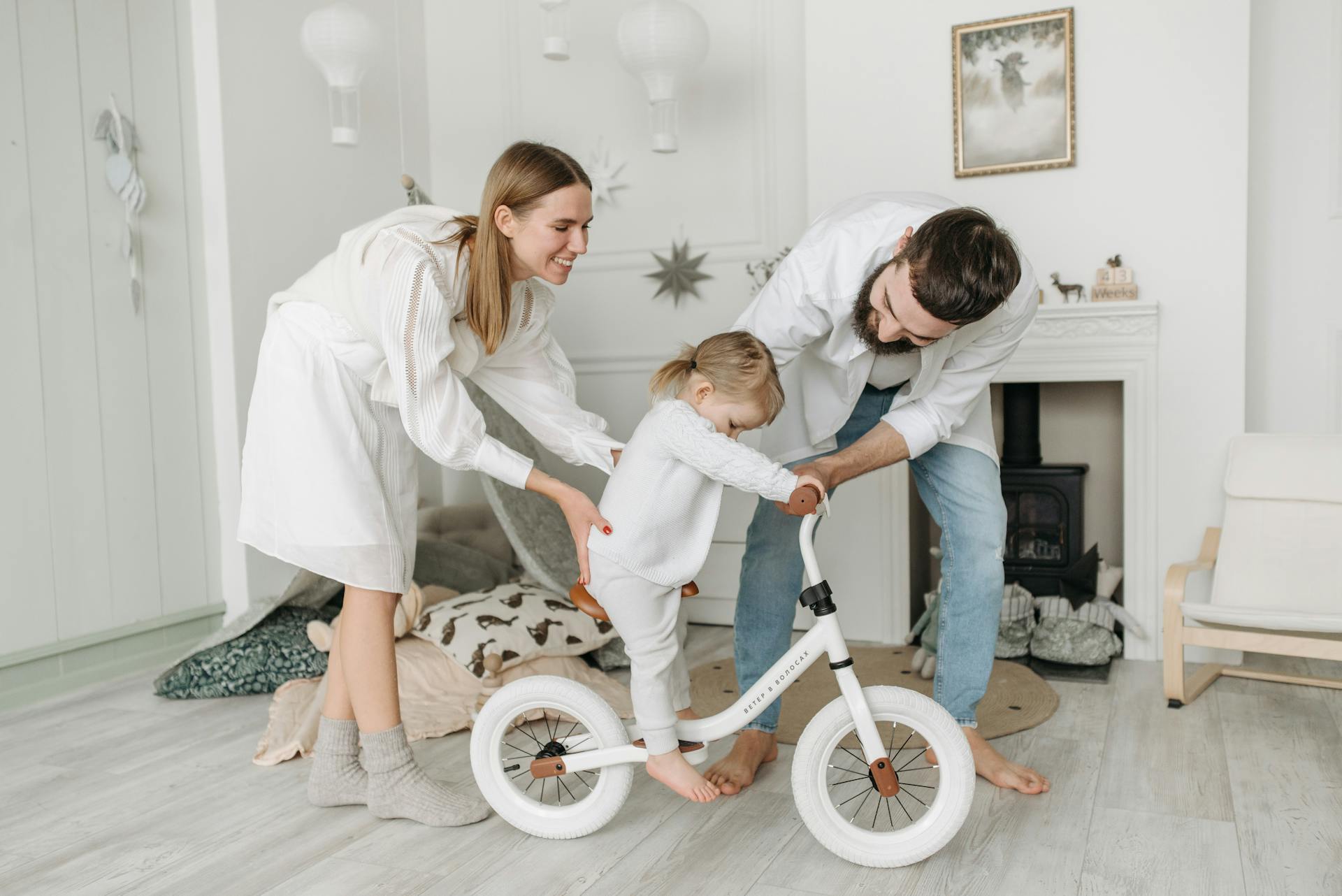
Many homeowners believe they must choose between sophisticated interiors and child-friendly practicality. In reality, the best family homes successfully blend both.
A well-designed interior can remain elegant and stylish while accommodating the active presence of children.
Achieving this balance requires thoughtful choices in furniture, materials, layout, and storage.
Understanding the Needs of Both Adults and Children
Adults typically prioritise aesthetics, comfort, and organisation.
Children prioritise:
- Play
- Movement
- Creativity
- Exploration
Successful interiors acknowledge both perspectives.
Choosing Practical Yet Elegant Furniture
Furniture for family homes should be robust but visually refined.
Key characteristics include:
- Durable upholstery
- Strong frames
- Easy-to-clean surfaces
Modern furniture manufacturers now produce many options specifically designed for family living.
Designing Flexible Spaces
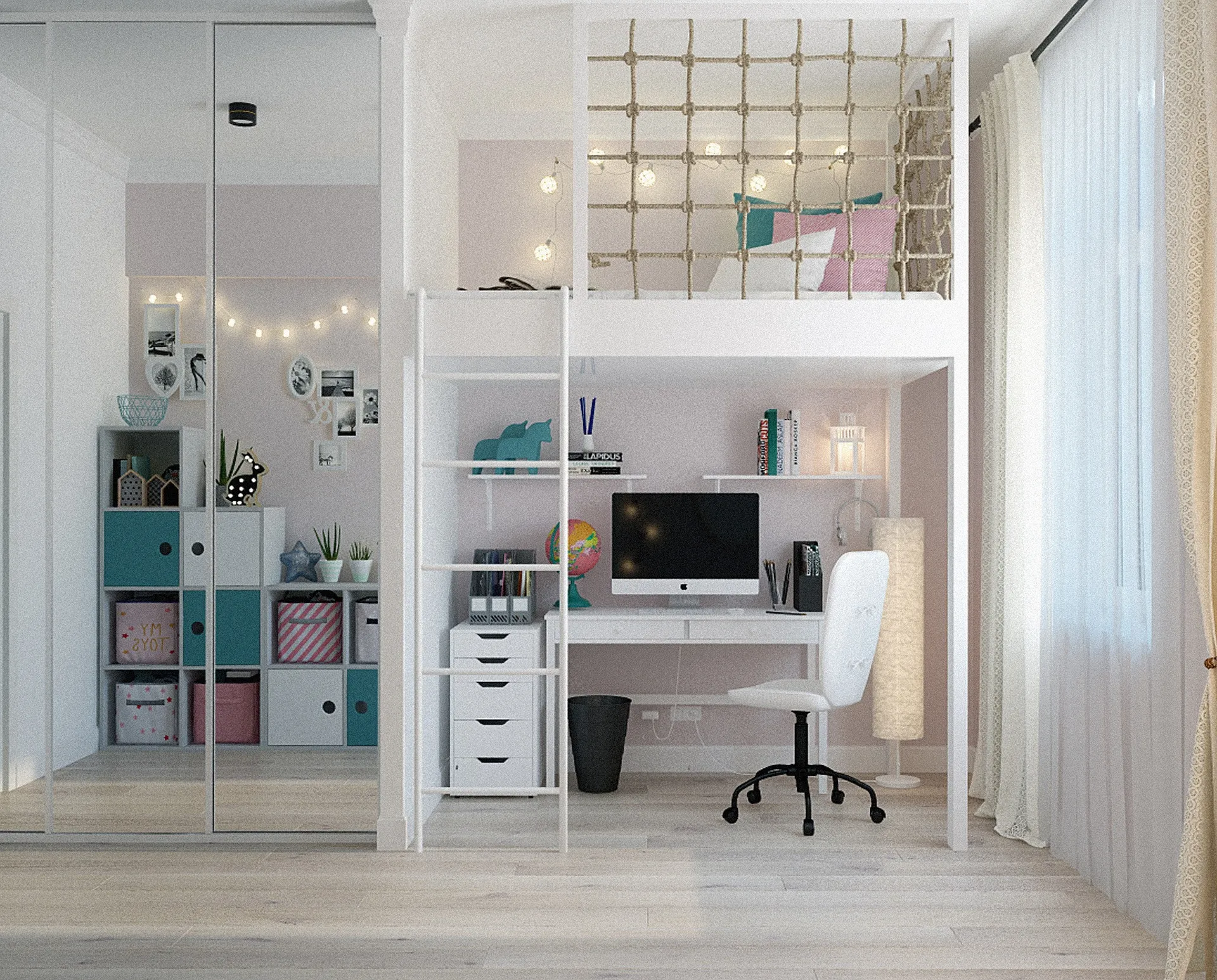
Flexible spaces are essential in family homes.
Rooms should adapt to different activities such as:
- Study
- Play
- Relaxation
- Entertaining guests
Furniture that can be easily rearranged helps achieve this flexibility.
Hidden Storage Solutions
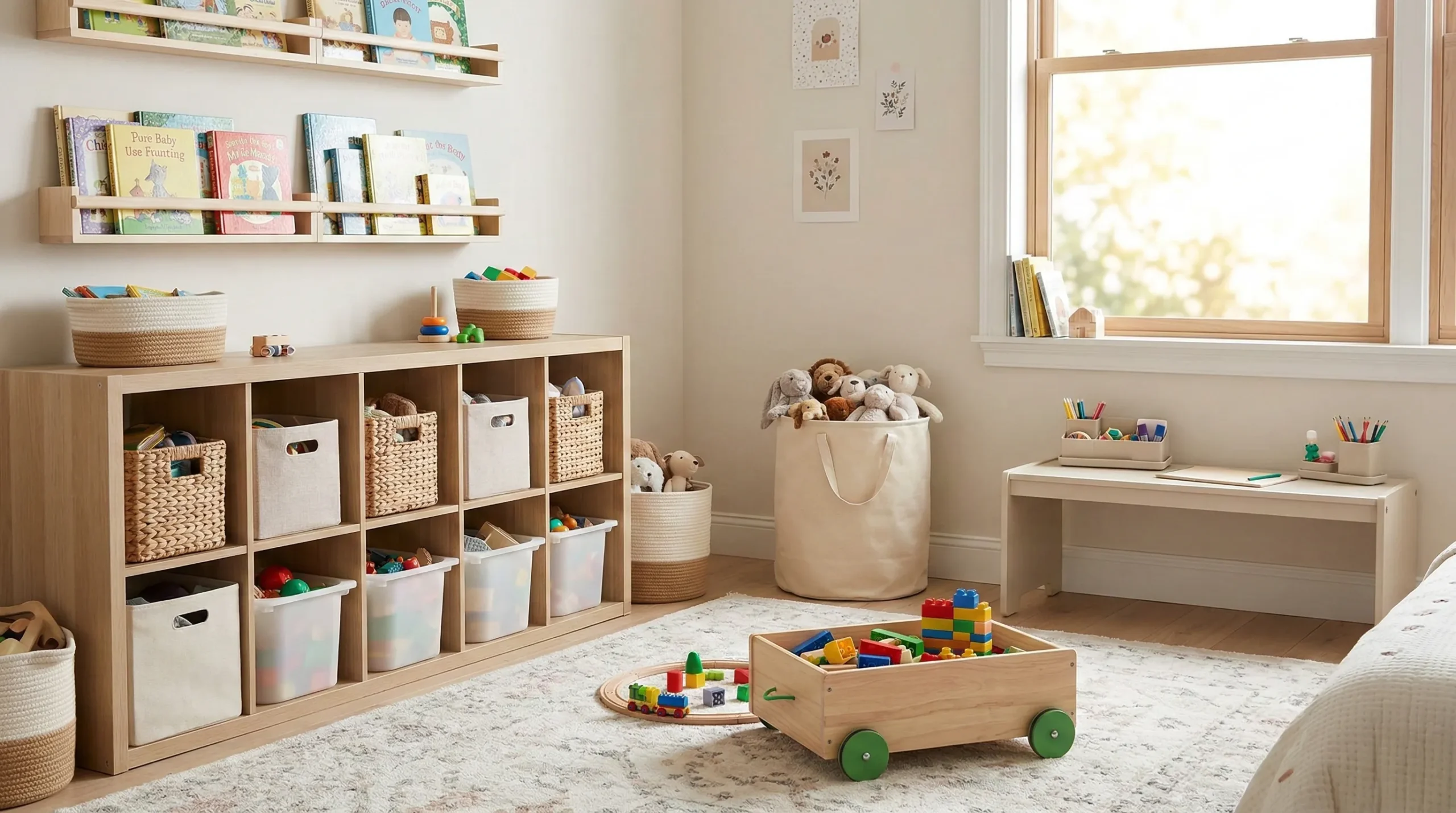
Hidden storage keeps interiors organised without compromising aesthetics.
Examples include:
- Storage ottomans
- Built-in cabinetry
- Window seats with storage
These solutions maintain clean lines while keeping toys and everyday items out of sight.
Safety Without Compromising Style
Safety is essential in homes with young children.
However, safety features can be integrated discreetly.
Examples include:
- Rounded furniture edges
- Secure shelving
- Non-slip rugs
These measures protect children while maintaining a refined appearance.
Durable Fabrics and Finishes
Performance fabrics are particularly valuable in family homes.
These fabrics resist:
- Stains
- Moisture
- Wear
Similarly, matte finishes on furniture surfaces often hide scratches better than glossy finishes.
Incorporating Child-Friendly Zones
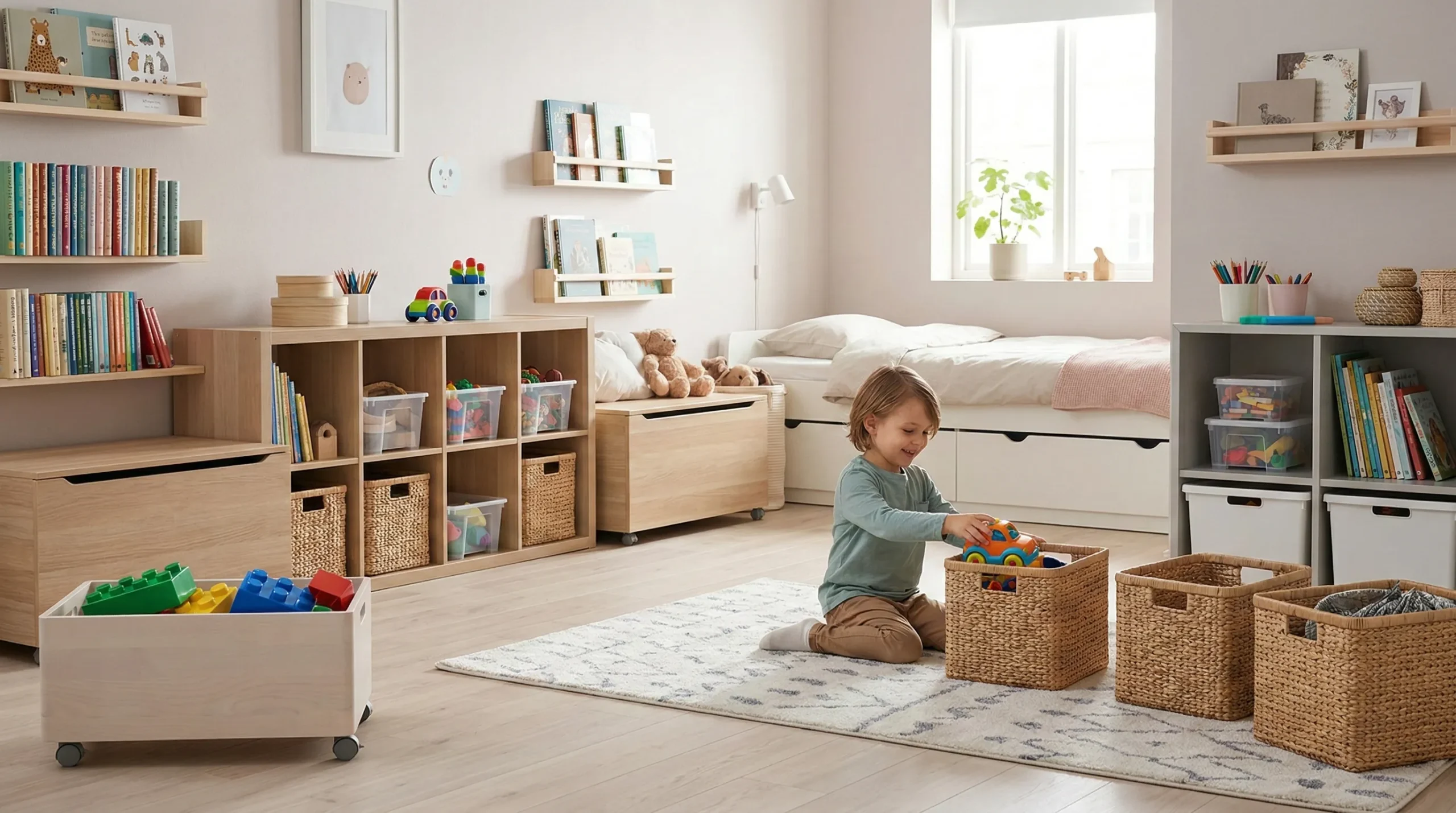
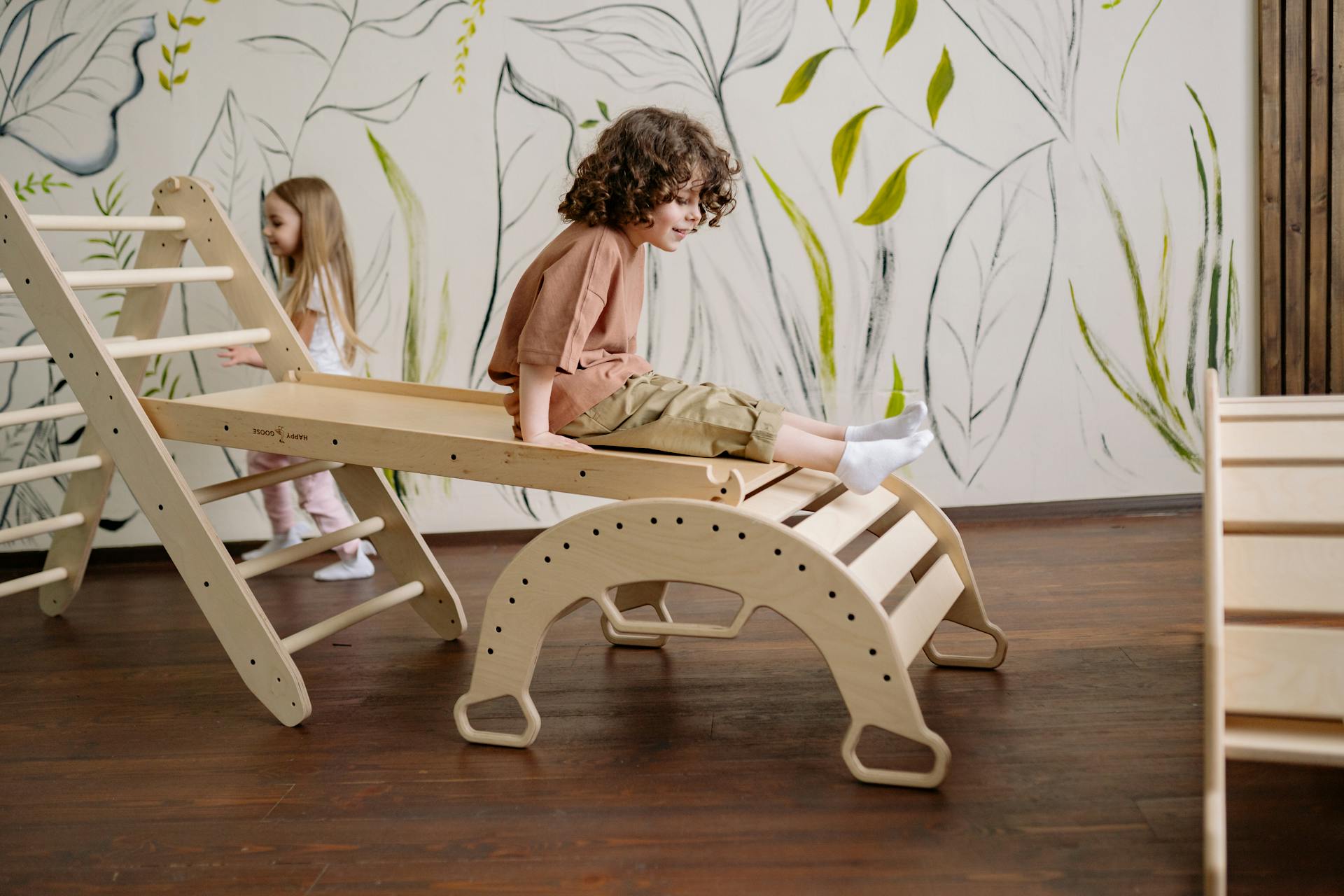
Rather than allowing toys to spread throughout the house, creating designated play zones helps maintain order.
These zones may include:
- A playroom
- A corner of the living room
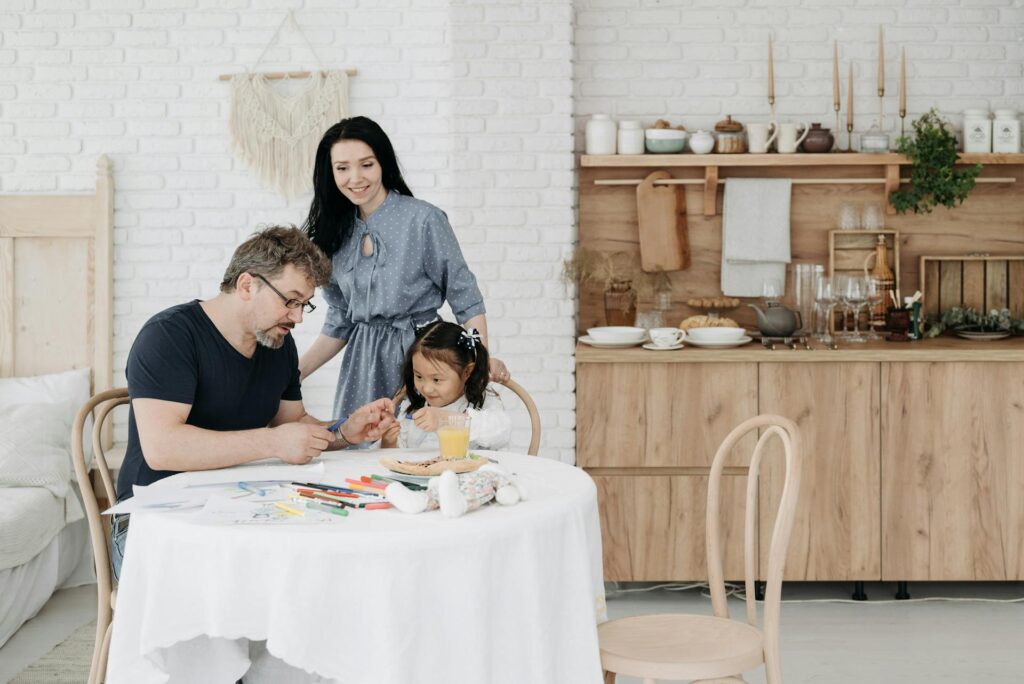
- A dedicated craft table
Organised play areas support creativity while protecting the overall aesthetic of the home.
Teaching Children Respect for Their Environment
Interior design can also support positive habits.
When children have designated storage and comfortable spaces of their own, they are more likely to respect their surroundings.
Teaching children to tidy up and care for furniture helps maintain the home.
Maintaining a Sense of Sophistication
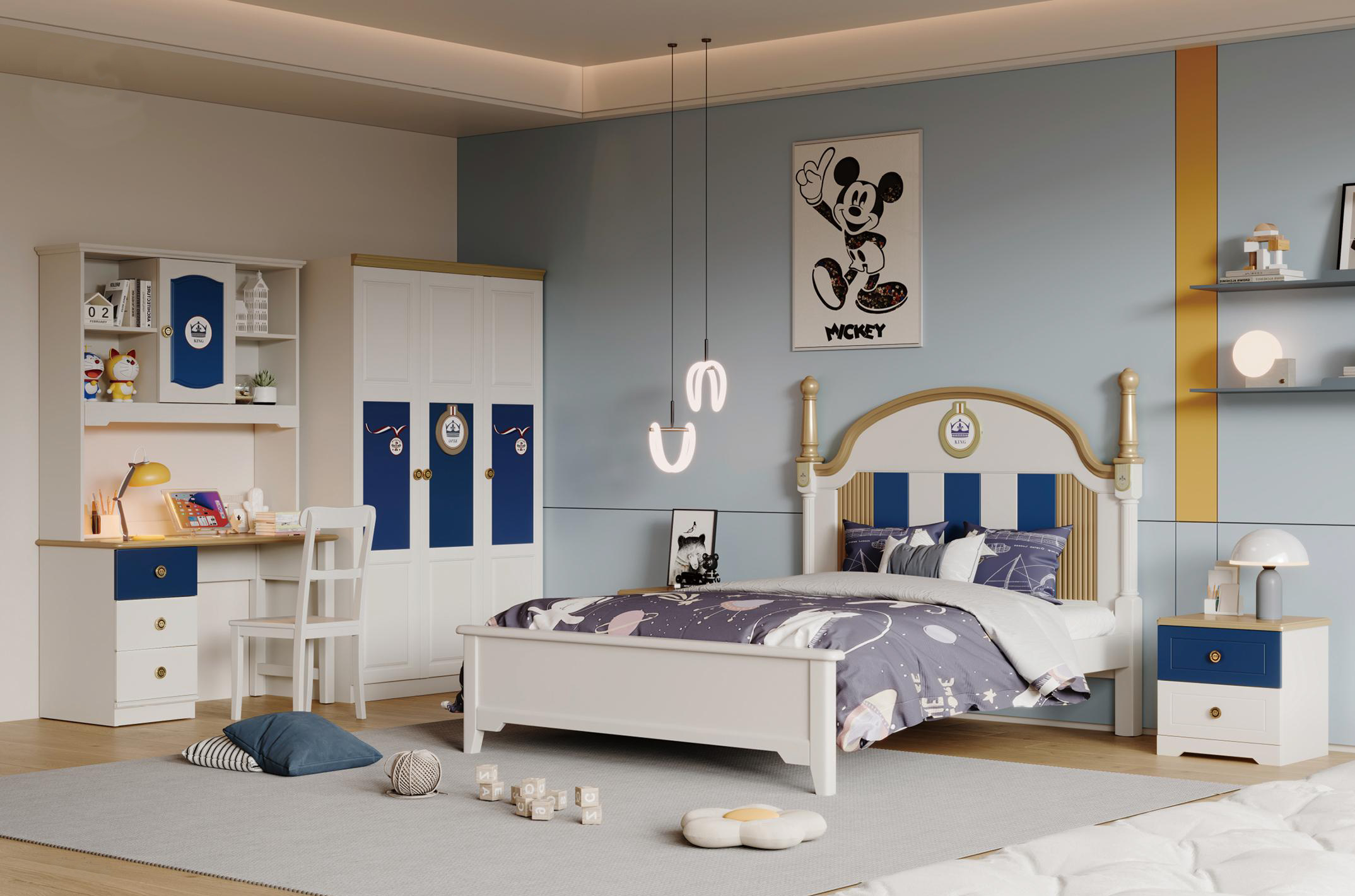
Sophisticated interiors often rely on:
- Clean lines
- Quality materials
- Thoughtful colour palettes
These elements can easily coexist with family life when chosen wisely.
Timeless design choices ensure the home remains elegant even as children grow.
Conclusion
Blending sophisticated interiors with child-friendly practicality is entirely achievable.
Through durable materials, thoughtful layouts, flexible spaces, and smart storage, families can enjoy homes that are both beautiful and functional.
A well-designed home does not merely accommodate family life—it enhances it, providing comfort, organisation, and inspiration for every member of the household.