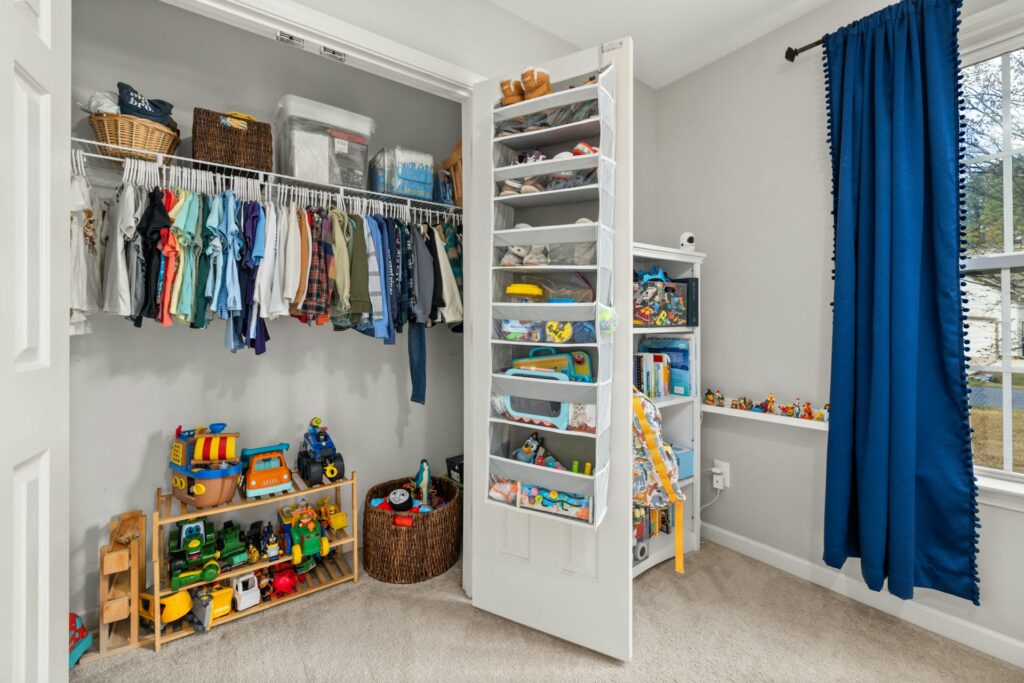

Teaching children to be organised is one of the most valuable life lessons a parent can give. Not because a tidy room looks nice for visitors, but because organisation creates calm, reduces stress, improves focus, and helps children feel more confident in their own space.
The truth is, most children are not naturally organised. They don’t think the way adults think. They don’t see a messy floor as a “problem” until they trip over it. They don’t feel motivated to put toys away unless the system is quick and easy. And they certainly don’t want to spend 30 minutes sorting small items into complicated compartments.
That’s why the key to teaching organisation is not nagging or lecturing. The key is building a bedroom environment that makes organisation almost automatic.
This is where smart storage comes in.
Smart storage is not about expensive built-in cabinetry or fancy Pinterest systems. Smart storage is storage designed for how children actually live. It supports their habits rather than fighting against them.
When storage is designed properly, children can tidy up quickly, find what they need, and take pride in their room without constant pressure from parents.
Why organisation matters more than you think
Organisation isn’t just about cleanliness. It directly affects how children function day to day.
A well-organised room helps children:
- Sleep better (less clutter and visual noise).
- Concentrate better on homework.
- Reduce stress and overwhelm.
- Develop responsibility and independence.
- Feel more in control of their environment.
- Take pride in their belongings.
- Spend more time playing and less time searching.
Parents often underestimate how much clutter affects a child’s mood. Many children become irritable, restless, and distracted in messy environments, even if they can’t explain why.
A tidy room doesn’t mean a strict, sterile room. It means a room where everything has a home.
The biggest mistake parents make: storage systems designed for adults
Most toy storage fails because it is designed from an adult perspective.
Adults like:
- Neat stacks.
- Small compartments.
- Perfect categories.
- Shelves arranged like a showroom.
Children prefer:
- Fast access.
- Quick clean-up.
- Large storage spaces.
- Simple categories.
- Storage they can reach.
If your storage system requires children to think too hard, it will fail. If it takes longer than a couple of minutes to pack away, it will fail. Smart storage succeeds because it matches the child’s mindset.
The golden rule: “Make the right thing the easy thing.”
Children do what is easy. That’s not laziness—it’s human nature.
If the easiest option is dumping toys on the floor, that is what will happen. If the easiest option is putting toys in a basket, that is what they will do.
The best smart storage systems make tidying the easiest possible action. That means:
- Storage must be close to where toys are used.
- Storage must be easy to open and close.
- Storage must be large enough to allow “quick toss” tidy-ups.
- Storage must be clearly divided into simple categories.
Start with the bedroom layout: space comes before storage
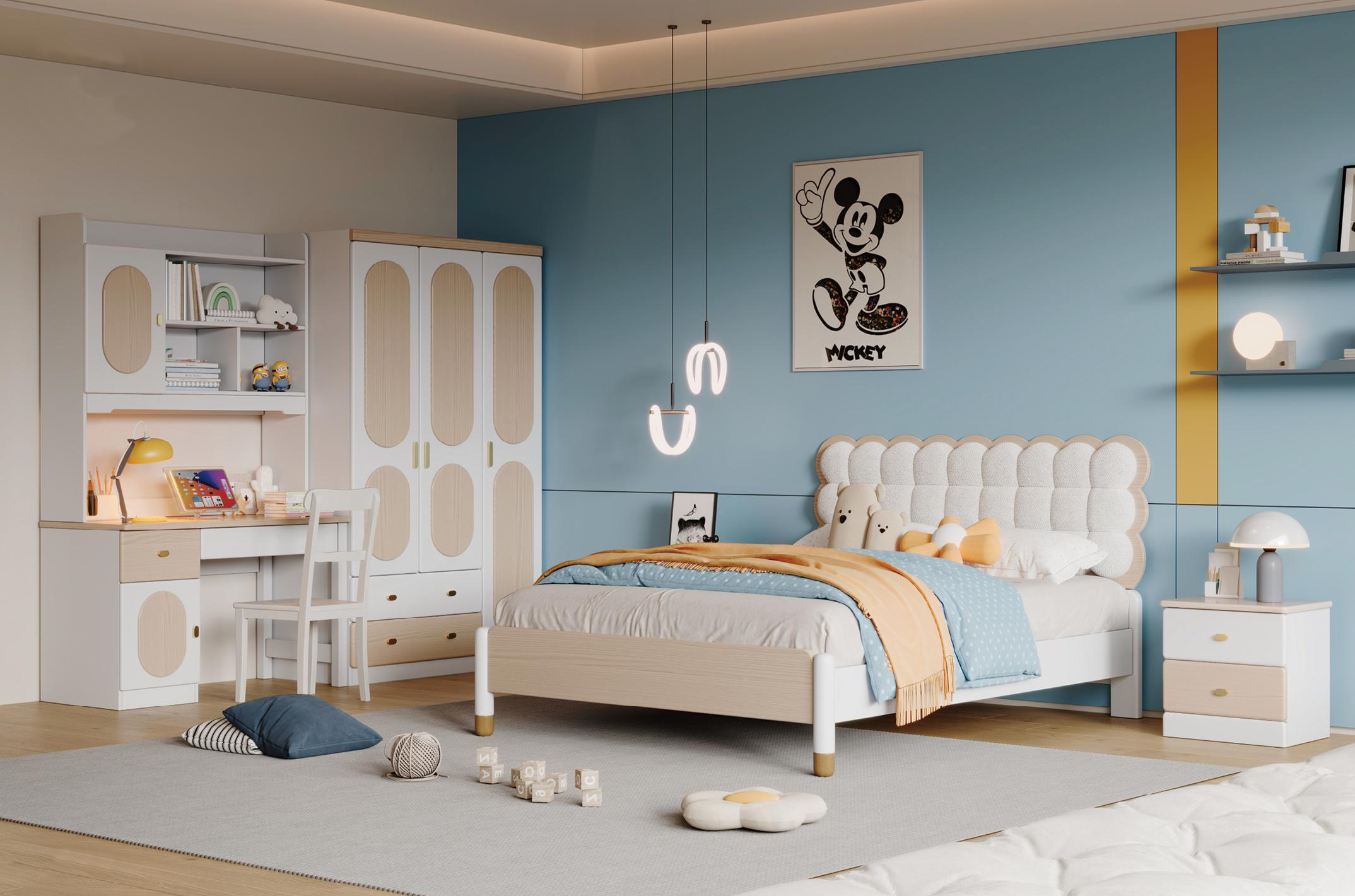
Before you buy storage furniture, look at the room layout. A common reason kids’ rooms become messy is that the room is overcrowded. Too much furniture means less open floor space, which leads to clutter building up.
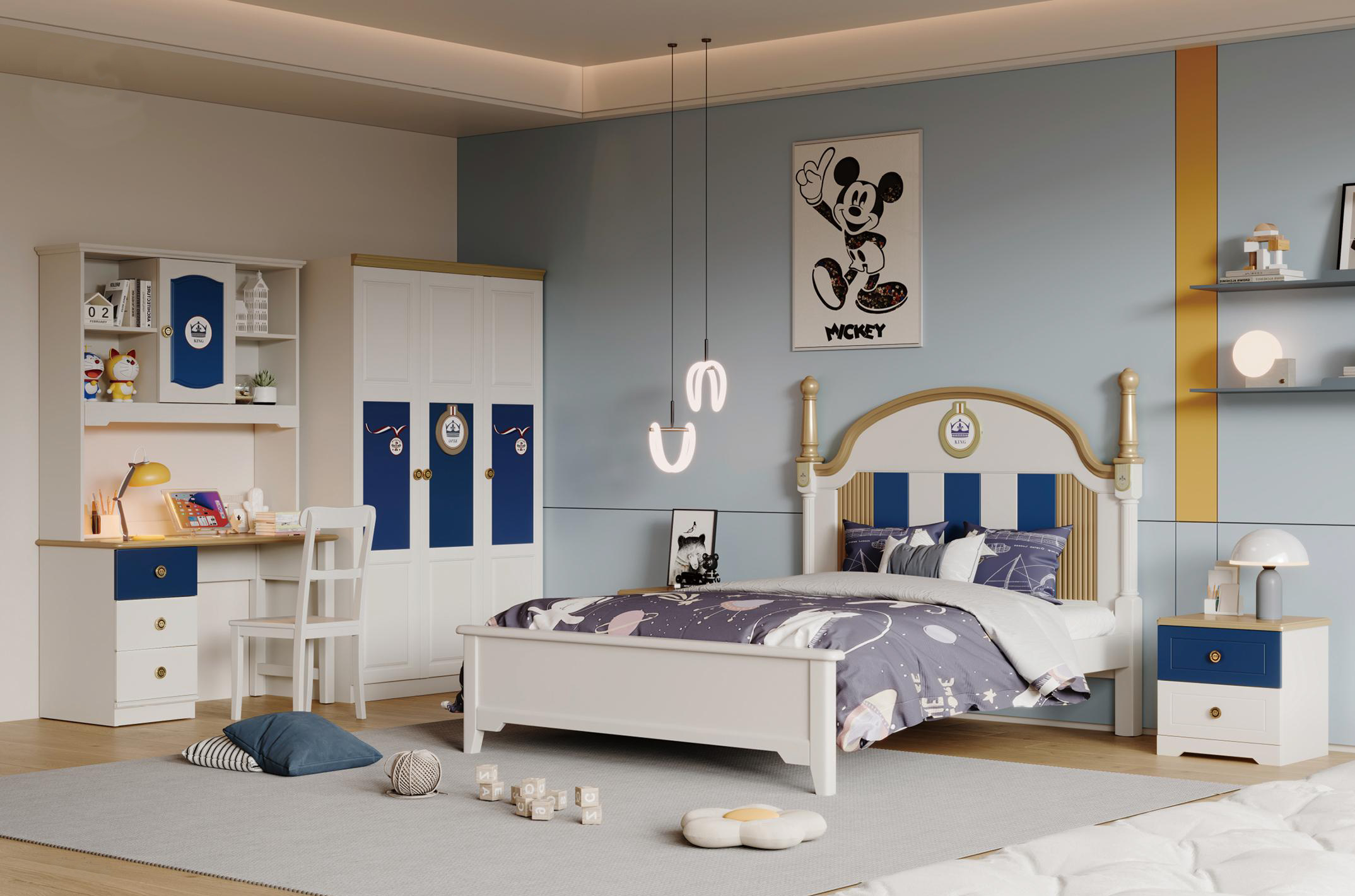
The most effective room layout includes:
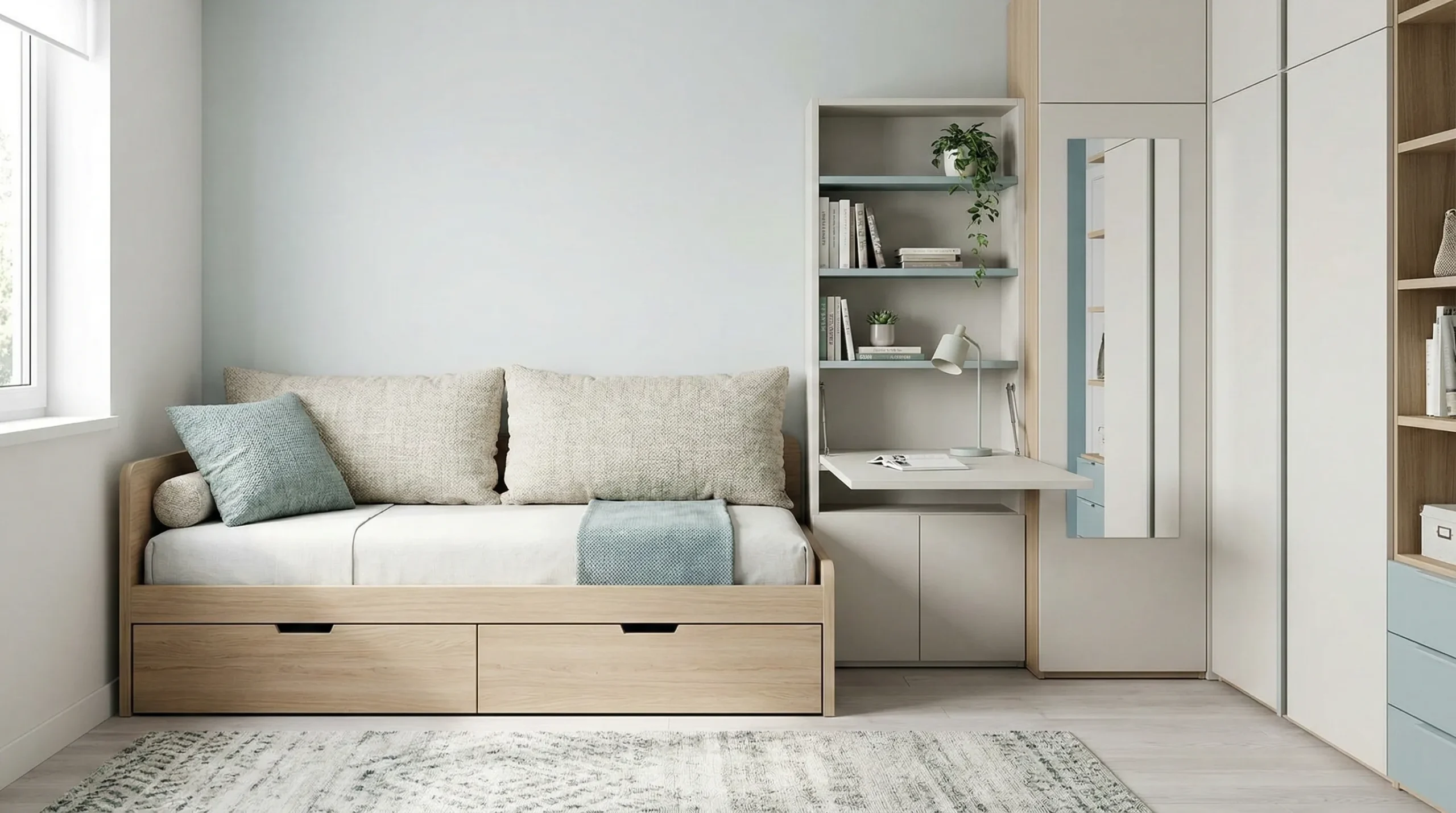
- A bed with built-in storage.
- One main storage wall or storage zone.
- A clear play area or open floor zone.
- A simple desk or study space.
- A wardrobe system that actually works.
The best organisation begins when the room feels open. A cramped room encourages clutter because there is no space to spread out or put things away properly.
Smart storage begins with smart categories
One of the most important lessons for children is understanding categories. Children cannot tidy efficiently if they don’t know where things belong. That is why storage must be divided into clear categories that make sense. The categories should be broad, not detailed.
For example, instead of: Small cars, big cars, blue cars, red cars. Use: Cars.
Instead of: Barbies, Barbie clothes, Barbie shoes, Barbie accessories. Use: Dolls.
Broad categories allow fast tidy-ups. This is what makes storage work long term.
The best smart storage system: cubbies with baskets
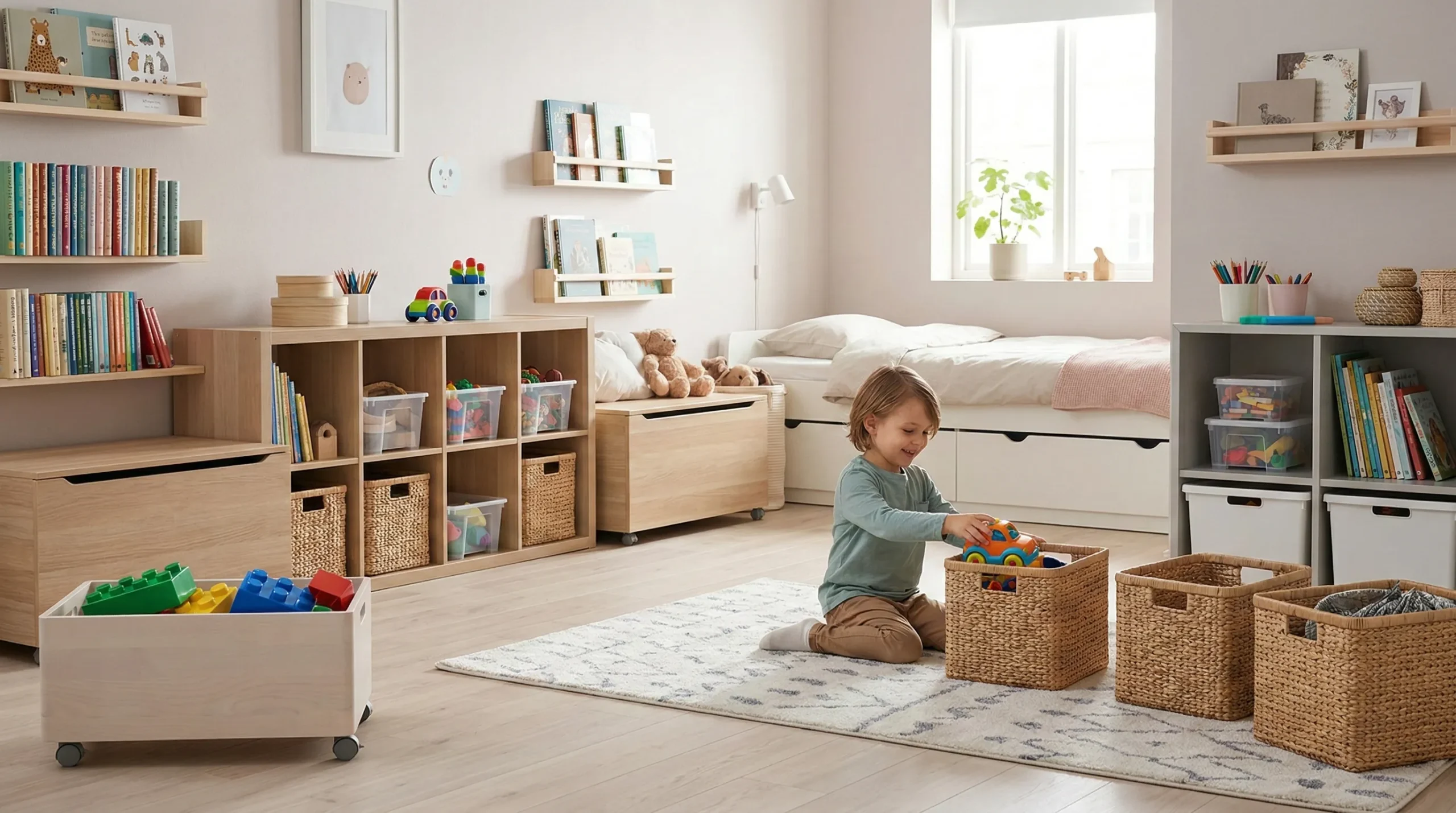
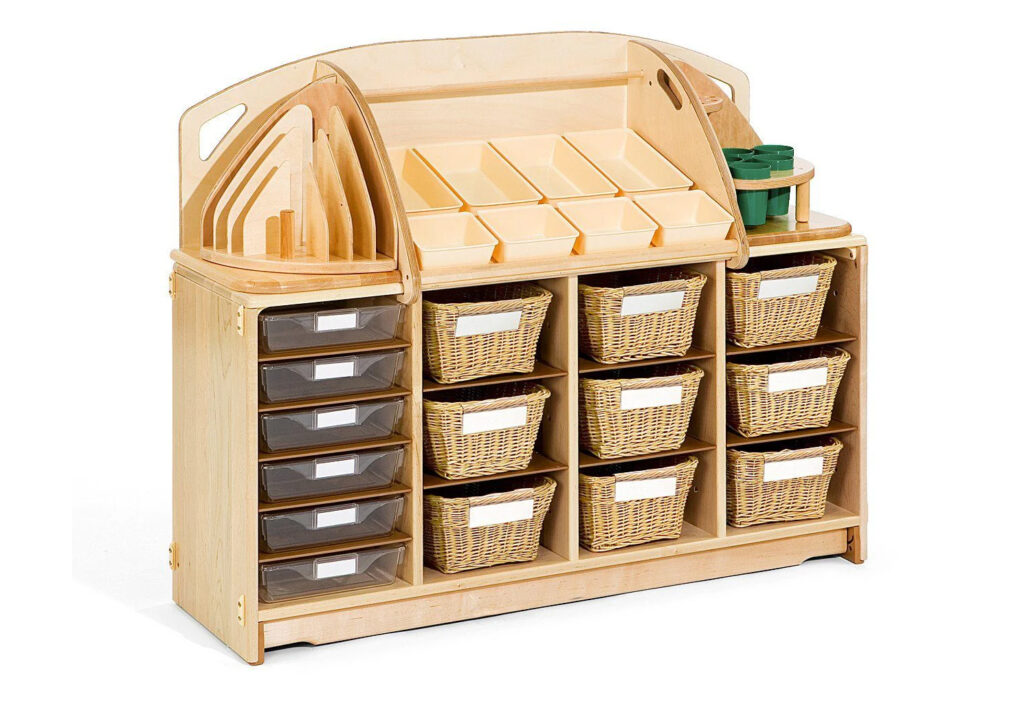
If you want a storage system that works in nearly every home, it is this: A cubby shelf unit with baskets or tubs.
This system is effective because:
- Baskets allow fast clean-up.
- Cubbies create clear categories.
- The room looks tidy even when baskets aren’t perfect.
- Children can pull a basket out and play with it.
- It encourages independence.
For younger kids, you can label baskets with pictures. For older kids, simple labels work. A basket system teaches children that toys belong in groups, not scattered everywhere.
Drawers: the ultimate tidy tool
Drawers are one of the best storage solutions for children because they hide clutter instantly. Children often become discouraged if they tidy up but the room still looks messy. Drawers solve that problem. Everything disappears behind a neat front.
Storage furniture with drawers is ideal for:
- Lego and small building pieces
- Craft supplies
- Dress-up accessories
- Board games
- Stationery and homework items
- Random “bits and pieces” kids collect
Drawers also reduce visual clutter, which makes a room feel calmer. In terms of safety and quality, drawers should always have:
- Strong runners
- Smooth movement
- Safe handles
- Sturdy construction
Cheap drawers break quickly, and once a drawer jams, kids stop using it.
Under-bed storage: using wasted space wisely
The space under the bed is often wasted. Smart storage uses it. Under-bed storage is ideal for:
- Seasonal toys
- Bulkier items
- Sports gear
- Extra bedding
- Larger Lego sets
- Costumes and dress-ups
The best options are:
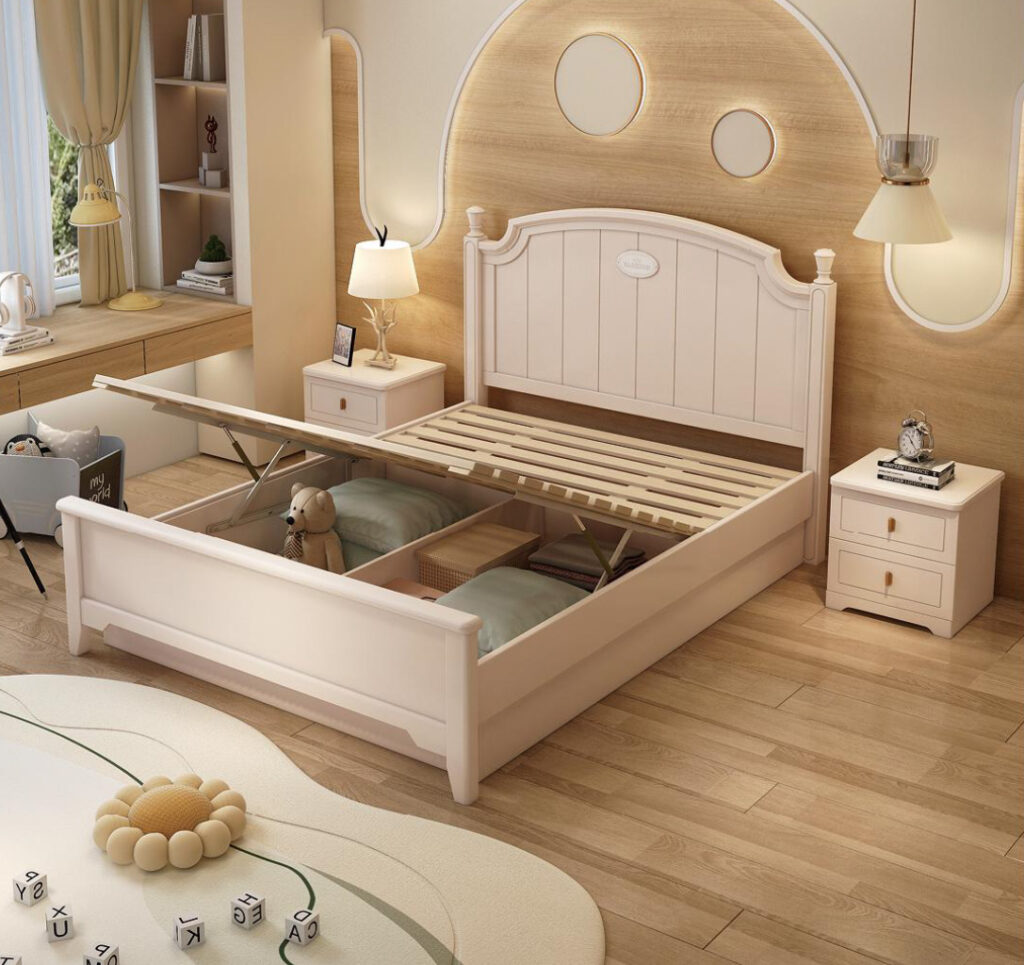
- Beds with built-in drawers
- Rolling storage tubs
- Flat storage boxes with lids
If your child can slide storage in and out easily, they will use it. Under-bed storage also supports toy rotation (which we will cover later in this article series).
Wall hooks: the easiest organisational habit builder
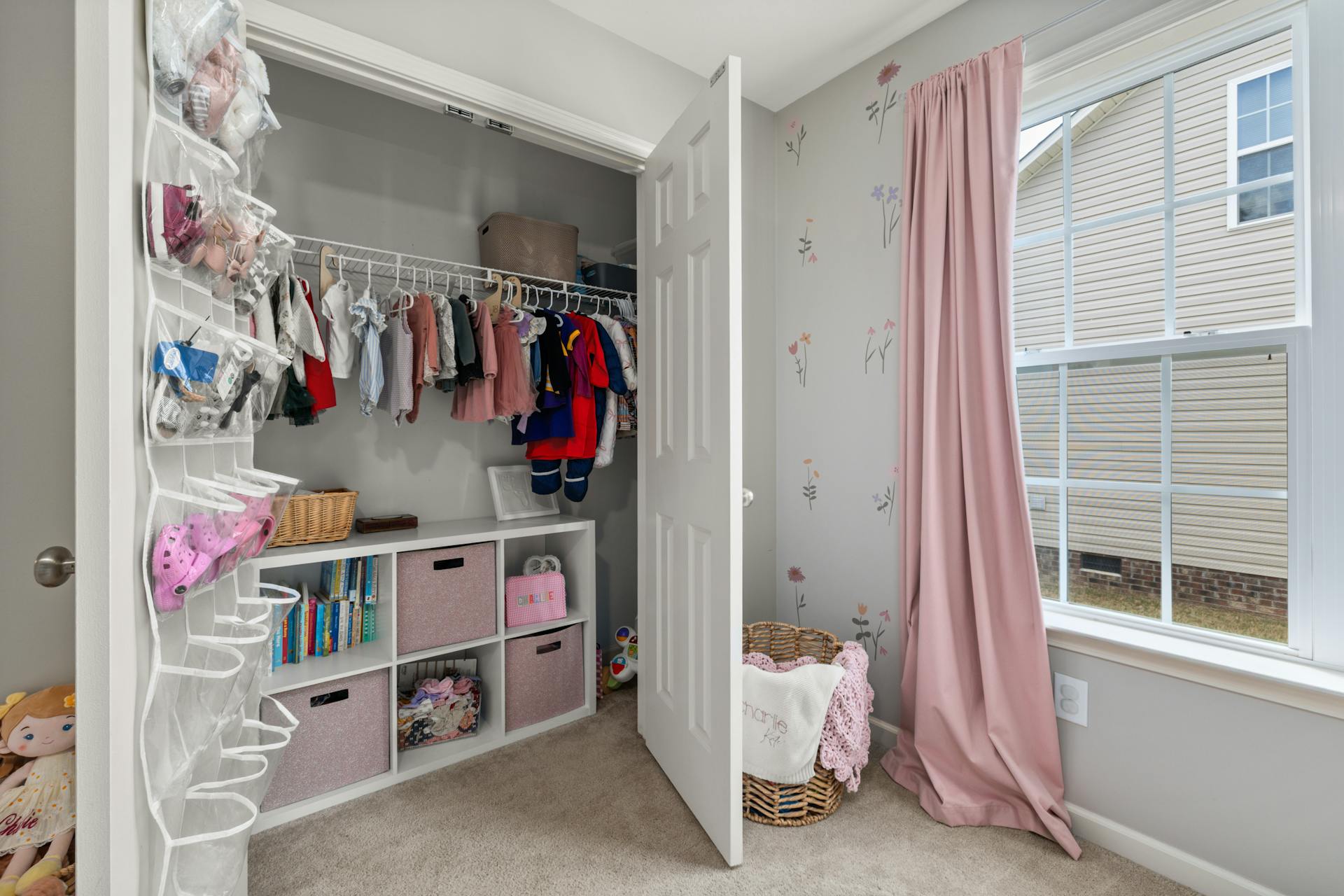
Many kids’ rooms become messy because of daily clutter, not toys. School bags, hats, jackets, and sports gear are dumped on the floor because there is no obvious place for them. A simple hook system solves this.
A smart hook setup should include:
- Hooks at child height
- A separate hook for school bag
- A hook for hat
- A hook for jacket
- A hook for sports bag
This system teaches children that daily items have a home. It reduces floor clutter instantly and prevents the “dump zone” effect. For active kids, this is one of the best organisation tools you can install.
Storage benches: “drop and close” simplicity
Storage benches are brilliant because they combine two functions: Seating + hidden storage. They are perfect for:
- Shoes
- Sports gear
- Soft toys
- Spare blankets
- School bags
A storage bench placed near the bed or door becomes a natural landing zone. For kids, the best storage is “drop and close.” If a child can lift a lid and toss items in, they will do it. However, safety matters. Lids should have soft-close hinges or be lightweight to prevent pinched fingers.
Teaching organisation through routine, not rules
Furniture alone does not teach organisation. Routine teaches organisation. The best routine for kids is a daily reset. It does not need to be long. A simple routine is: Before bed, spend 3 minutes putting things away.
This teaches children that tidying is not a huge job. It becomes a normal habit, like brushing teeth. Smart storage makes the routine easy because everything has a clear place.
The “one shelf rule” for special items
Children often collect items: trophies, keepsakes, figurines, special toys. If you allow these to spread everywhere, the room becomes cluttered again. The one shelf rule is simple: Your special items must fit on one shelf.
This teaches children a valuable life lesson: space is limited, and organisation requires choice. It also gives children pride in their display area without turning the whole room into a museum of clutter.
How to teach children to tidy without arguments
Parents often fall into the trap of telling kids to “clean your room,” which feels overwhelming. A smarter approach is to break tidying into clear, small tasks:
- Put all books on the shelf.
- Put all soft toys in the basket.
- Put all Lego in the tub.
- Put all clothes in the hamper.
Children respond better to specific instructions than vague commands. Over time, they learn the system and can tidy independently. Smart storage supports this because each category has a clear home.
Decluttering is part of organisation training
If you want kids to stay organised, you must reduce clutter. Too many toys make organisation impossible. Even adults struggle to organise excessive belongings. A simple rule works well: If the storage is overflowing, you have too much stuff.
Children can be included in decluttering by asking:
- Which toys do you play with most?
- Which toys are “baby toys” now?
- Which toys would you give to another child?
This helps them learn decision-making and responsibility.
Why quality furniture matters in children’s storage
Kids use storage furniture hard. They slam drawers, climb shelves, pull baskets out quickly, and drag tubs across the floor. That is why quality matters.
High-quality storage furniture provides:
- Safer stability (less risk of tipping).
- Stronger frames and shelves.
- Better drawer runners.
- Longer lifespan.
- Better finishes that resist scratches.
Disposable furniture often breaks quickly, which teaches children the wrong lesson: that furniture is temporary and not worth caring for. Quality furniture teaches respect for belongings.
Organisation as a life skill, not a punishment
The biggest goal of smart storage is not a tidy room. The goal is teaching independence. A child who learns organisation early becomes a teenager who can manage schoolwork, belongings, and routines. Later, they become an adult who can manage work, home life, and responsibilities.
This is why organisation is one of the most valuable skills you can teach. And it does not require strictness or stress. It requires a smart environment and simple systems.
The ideal smart storage system for most kids’ rooms
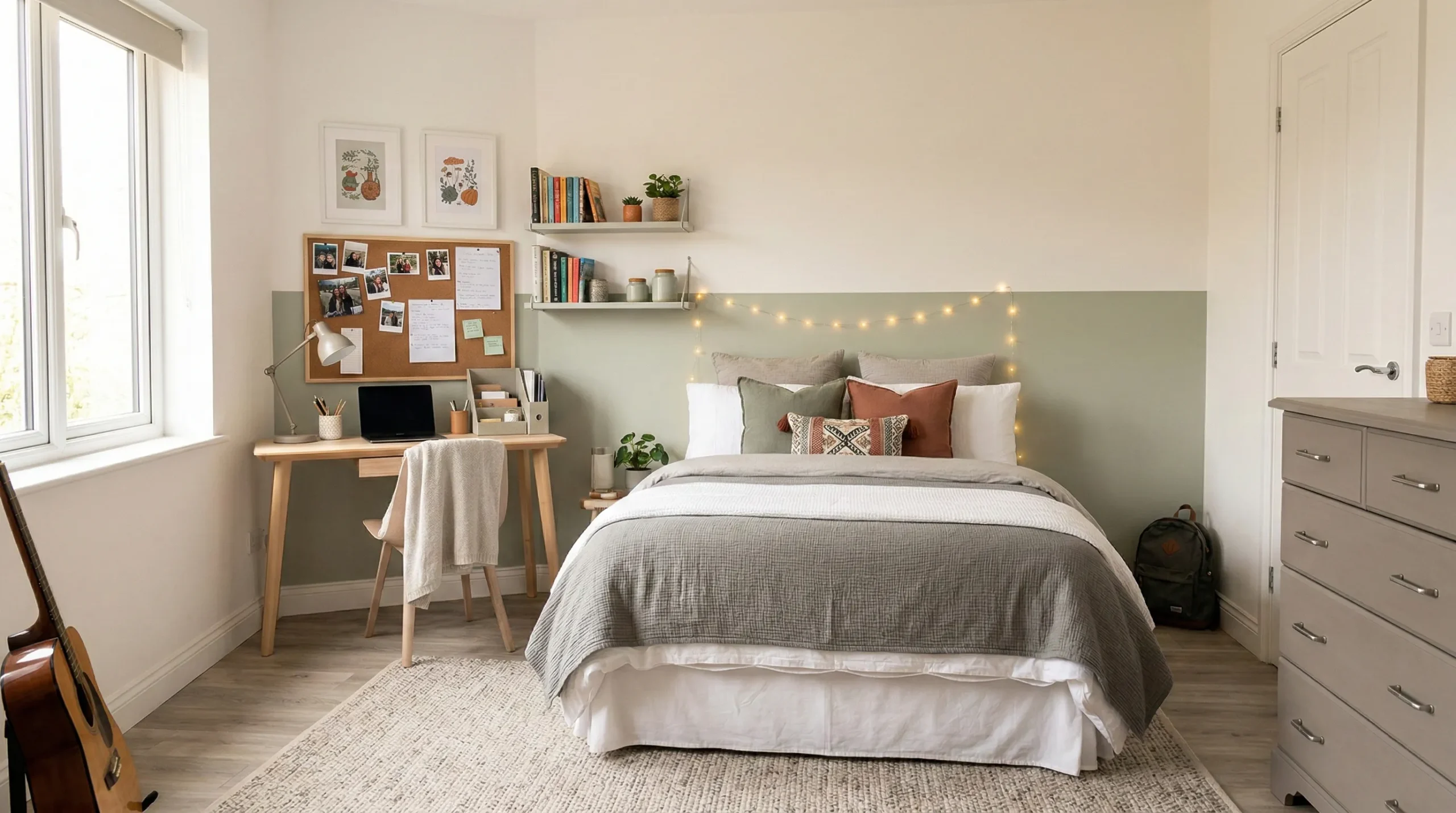
For most children, a highly effective setup includes:
- A bed with under-bed drawers
- A cubby shelf with baskets
- A bookshelf for books
- Wall hooks for daily gear
- A toy box only for soft toys
- A storage bench for shoes and bags
- A laundry hamper that is easy to access
This combination covers almost every category of mess. It keeps the floor clear, reduces clutter, and makes tidying fast.
Final thoughts: smart storage builds calm homes
Children thrive in environments that feel safe, calm, and organised. Smart storage is one of the simplest ways to improve daily family life. It reduces stress, saves time, and teaches children responsibility without constant arguments.
When storage is designed properly, children don’t need to be forced to tidy. The system makes tidying easy. And when tidying is easy, it becomes normal.
Explore Children’s storage furniture range at Maison Clair de Lune.