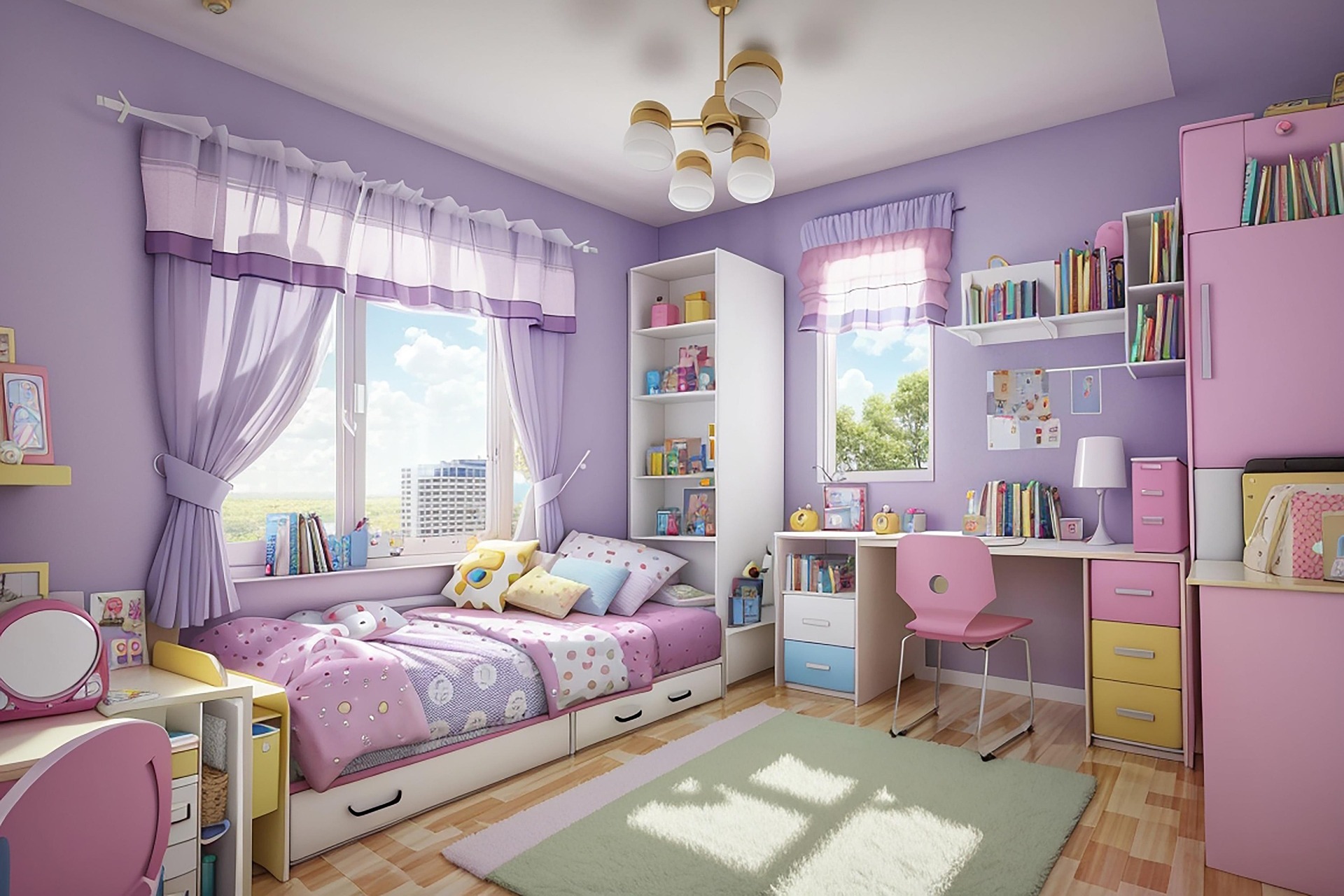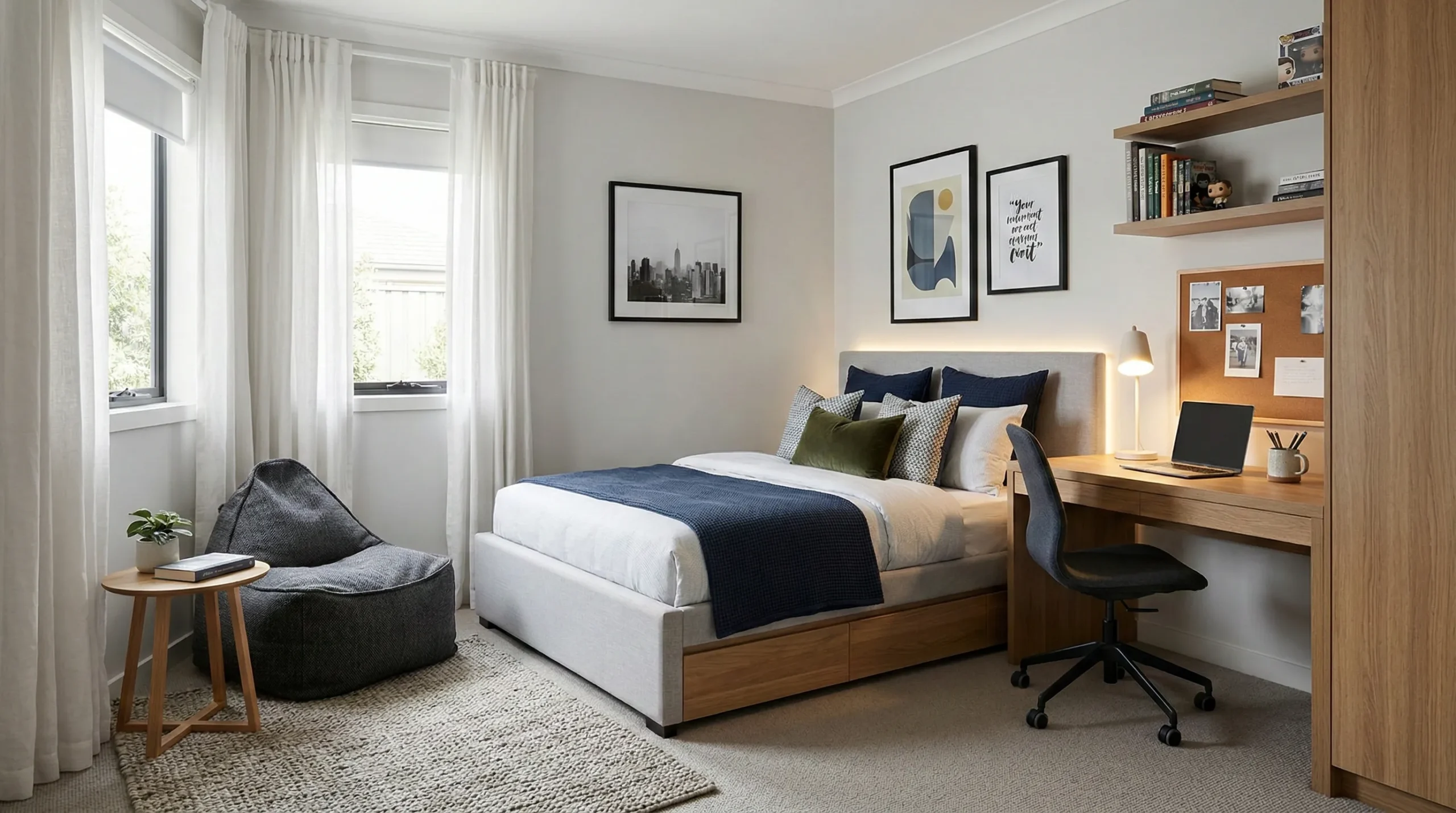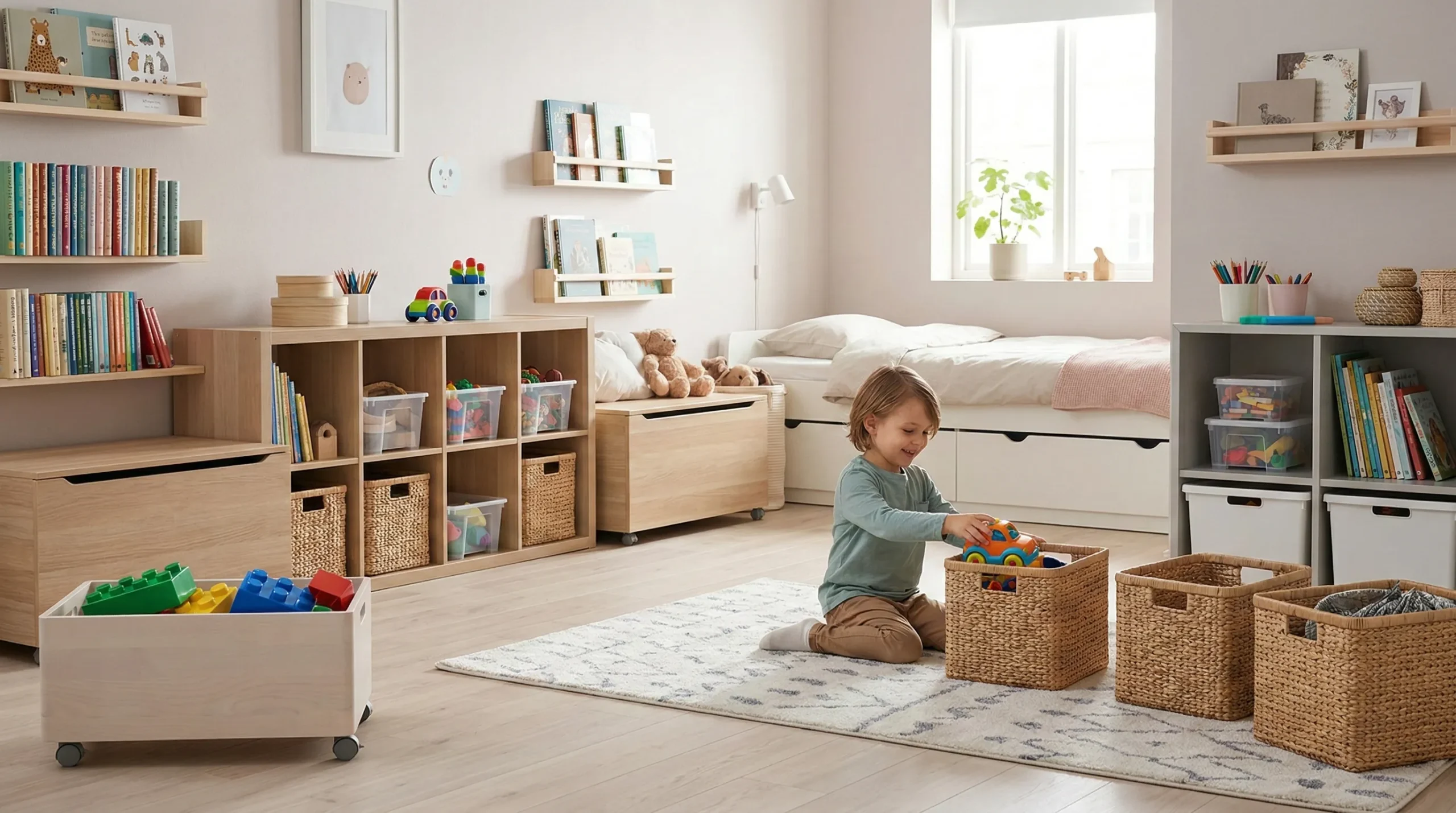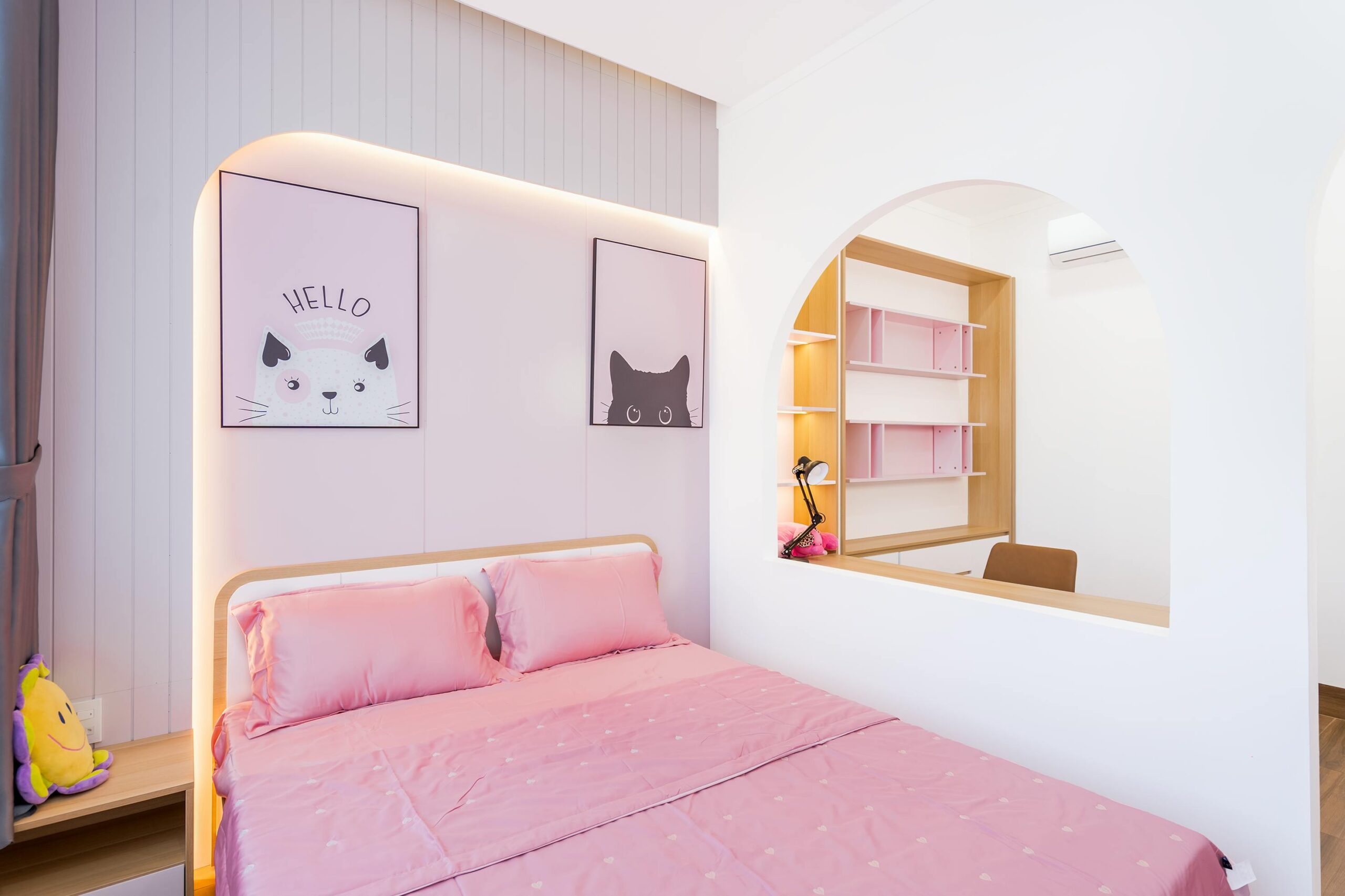
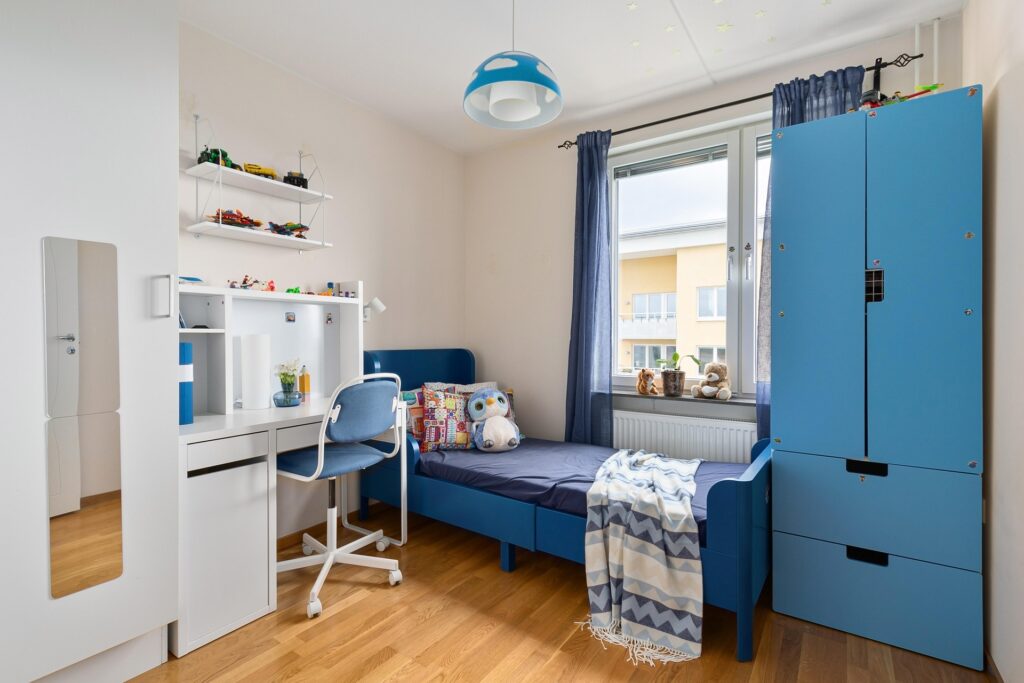

When furnishing a child’s bedroom or study space, parents often focus on colours, themes, or how well the furniture matches the décor of the home. While aesthetics certainly have their place, the most important factor is something far more fundamental — solid construction. Children’s furniture must endure years of use, rough handling, climbing, jumping, and everyday wear that adult furniture rarely experiences.
A well-constructed bed, desk, or storage unit is not simply a matter of durability; it is directly related to safety, reliability, and long-term value. Families that invest in properly built furniture are not only purchasing an item that will last longer, but they are also creating a safer and more dependable environment for their children to grow and learn.
Understanding why solid construction matters helps parents, interior designers, and homeowners make wiser purchasing decisions when selecting furniture for children’s bedrooms and study areas.
The Demands Placed on Children’s Furniture
Children interact with furniture very differently from adults. A desk is not just a workspace — it can become a craft table, a fort, or even a stage for imaginative play. A bed is not simply a place to sleep; it can quickly become a trampoline or a climbing structure. Storage units are often used as ladders, seats, or stepping platforms.
Because of this, children’s furniture must be designed to handle significant stress and repeated movement.
Weak construction methods, poor materials, or inadequate structural support can cause furniture to loosen, wobble, or collapse over time. When furniture is subjected to constant movement and weight, poorly built joints and thin materials quickly reveal their shortcomings.
Furniture built with strong frames, reinforced joints, and quality materials performs far better under these real-world conditions.
The Importance of Strong Bed Frames
Beds are the largest and most heavily used piece of furniture in a child’s room. They must support not only the weight of the mattress and sleeper but also the additional strain created by movement and play.
A properly constructed bed frame should incorporate strong internal support rails, thick timber or metal framing, and secure joint connections. Slats should be well spaced and firmly fixed to prevent shifting or sagging.
Cheaply manufactured beds often rely on thin boards, lightweight metal tubing, or weak connectors that loosen after only a short period of use. Over time this can cause instability, squeaking, or even structural failure.
A solidly built bed frame, by contrast, remains stable and quiet even after years of use. It offers the reassurance that the structure supporting a child’s sleep environment is safe and reliable.
Parents should also consider the design of bunk beds and loft beds particularly carefully. These elevated sleeping arrangements place even greater demands on structural strength and safety.
Durable Desks that Support Study and Creativity
Desks play an increasingly important role as children grow older and require dedicated study spaces. A well-constructed desk must remain stable while supporting books, laptops, monitors, and other learning tools.
A poorly built desk can wobble under pressure, making it difficult for children to concentrate or work comfortably. Weak drawer systems can fail under normal use, and thin surfaces may warp or sag over time.
Strong desks incorporate reinforced frames, durable work surfaces, and high-quality drawer mechanisms designed to operate smoothly even after years of daily use.
Parents often underestimate the amount of use a desk will receive. From early primary school through the teenage years, a desk may become the centre of homework, art projects, computer work, and hobbies.
A well-constructed desk ensures this essential workspace remains dependable throughout those important developmental years.
Storage Units That Withstand Everyday Use
Storage furniture such as drawers, cabinets, and shelving units plays a vital role in keeping children’s rooms organised. However, these pieces must also be capable of handling considerable weight and frequent use.
Children regularly open drawers with enthusiasm rather than caution, and shelves are often filled with books, toys, games, and personal items.
Strong storage units use thicker panels, reinforced backboards, and quality drawer runners that support heavier loads. Secure assembly methods prevent units from twisting or becoming unstable over time.
Equally important is the overall balance and design of the furniture. Properly built storage units distribute weight evenly and can be anchored securely to walls where necessary, helping prevent tipping hazards.
Well-designed storage furniture ensures that organisation remains easy and safe.
Materials Make a Difference
One of the most critical aspects of solid construction is the quality of materials used. Furniture made from inferior materials will never achieve the same durability as pieces constructed from stronger components.
Solid timber, quality engineered wood panels, reinforced metal framing, and durable laminates all contribute to structural strength and longevity.
Cheap furniture frequently uses thin particleboard panels with weak screw fixings. These materials may appear adequate at first but often deteriorate quickly with repeated assembly stress or moisture exposure.
High-quality materials resist warping, cracking, and loosening, allowing furniture to maintain its strength for many years.
Parents should also be aware that materials can affect stability. Heavier, sturdier components provide better balance and reduce the likelihood of furniture tipping during use.
The Role of Joinery and Construction Methods
Furniture strength does not rely on materials alone. The methods used to assemble and join components together are equally important.
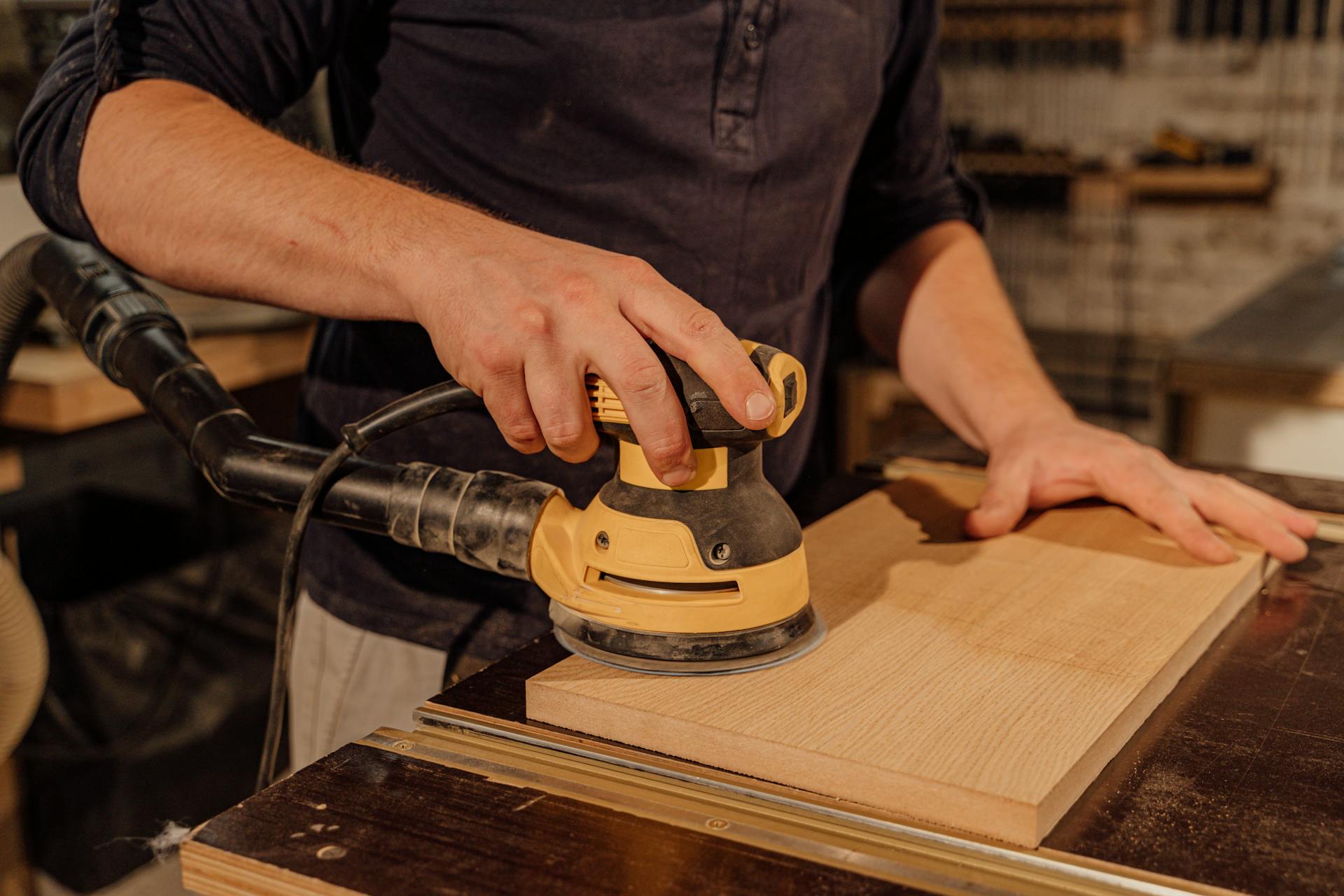
Quality furniture manufacturers use proven construction techniques such as dowelled joints, reinforced brackets, metal fasteners, and solid frame designs.
These methods create strong connections that remain stable over time.
In contrast, cheaply produced furniture often relies on minimal fasteners or basic cam-lock connectors that may loosen with repeated movement.
Proper joinery ensures that beds remain stable, desks remain firm, and storage units stay square and balanced.
Long-Term Value and Sustainability
Furniture built with solid construction does more than improve safety — it also provides far better long-term value.
High-quality children’s furniture can remain functional for many years and may even pass from one child to another within the family.
Cheap furniture often requires replacement after only a short period, resulting in greater expense and unnecessary waste.
From a sustainability perspective, durable furniture contributes to reduced environmental impact by limiting the need for frequent disposal and replacement.
Families benefit financially, and the environment benefits from reduced waste.
Supporting a Healthy Home Environment
Children spend a significant portion of their lives in their bedrooms studying, playing, and resting. The furniture surrounding them should support both safety and comfort.
Solid construction helps ensure that furniture remains stable and reliable in everyday use. It also supports healthy posture and practical organisation, helping children maintain tidy and functional living spaces.
When parents choose furniture built with strong construction principles, they are investing not only in quality products but also in their children’s well-being.
Making Informed Furniture Choices
Selecting children’s furniture should involve more than simply choosing a style or colour scheme. Construction quality, materials, and structural design deserve careful attention.
Parents should look for furniture that demonstrates thoughtful engineering, durable materials, and proven construction techniques.
Retailers and manufacturers that specialise in quality furniture typically provide detailed specifications about the materials and build methods used in their products.
Asking these questions helps ensure that the furniture selected will provide both safety and long-term reliability.
Conclusion
Children’s furniture must meet a unique combination of demands — safety, durability, comfort, and longevity. Beds, desks, and storage units experience constant use and must remain stable and reliable over many years.
Solid construction ensures that furniture can handle the realities of everyday life in a child’s bedroom. Strong frames, quality materials, and proven joinery techniques all contribute to furniture that performs reliably under pressure.
Parents who prioritise construction quality when selecting furniture create safer, more dependable environments for their children. In doing so, they make an investment not only in durable furniture but also in the comfort, safety, and development of the next generation.