
Introduction: The Art of Designing a Home for the Whole Family
Designing a family home is one of the most rewarding challenges in residential interior design. Unlike a display home or a minimalist apartment designed purely for adults, a family home must balance beauty with resilience, sophistication with comfort, and style with practicality. When children are part of the household, these considerations become even more important.
Parents naturally want a home that feels warm, organised, and visually pleasing, yet capable of accommodating the everyday realities of family life—school bags on the floor, toys appearing in unexpected places, children playing indoors on rainy afternoons, and teenagers gathering with friends.
A cohesive family home achieves something very special: it allows adults to enjoy an elegant and thoughtfully styled environment while ensuring children feel welcome, safe, and comfortable. Rather than sacrificing design for practicality, modern family homes integrate the two seamlessly.
This article explores how to design a cohesive family home that respects both aesthetic quality and the functional needs of children, creating spaces that grow with the family over time.
Understanding Cohesion in Interior Design
Before exploring specific strategies, it is important to understand what cohesion actually means in interior design.
A cohesive home is one where each room feels connected to the next through consistent elements such as:
- Colour palette
- Materials and textures
- Furniture style
- Lighting design
- Flooring choices
- Decorative accents
Cohesion does not mean every room looks identical. Instead, it means the home feels unified and harmonious rather than disjointed.
For families, cohesion has an additional benefit. When design choices are consistent and well considered, the home becomes easier to maintain, organise, and adapt as children grow.
Planning the Home Around Family Life
The most successful family homes begin with thoughtful planning rather than decoration alone.
Parents should consider how the home will actually be used each day. For example:
- Where do children drop school bags?
- Where do they complete homework?
- Where do they play indoors?
- Where do the family gather in the evening?
Understanding daily routines helps shape the layout of the home.
Common zones within a family home include:
- Shared living areas
- Dining spaces
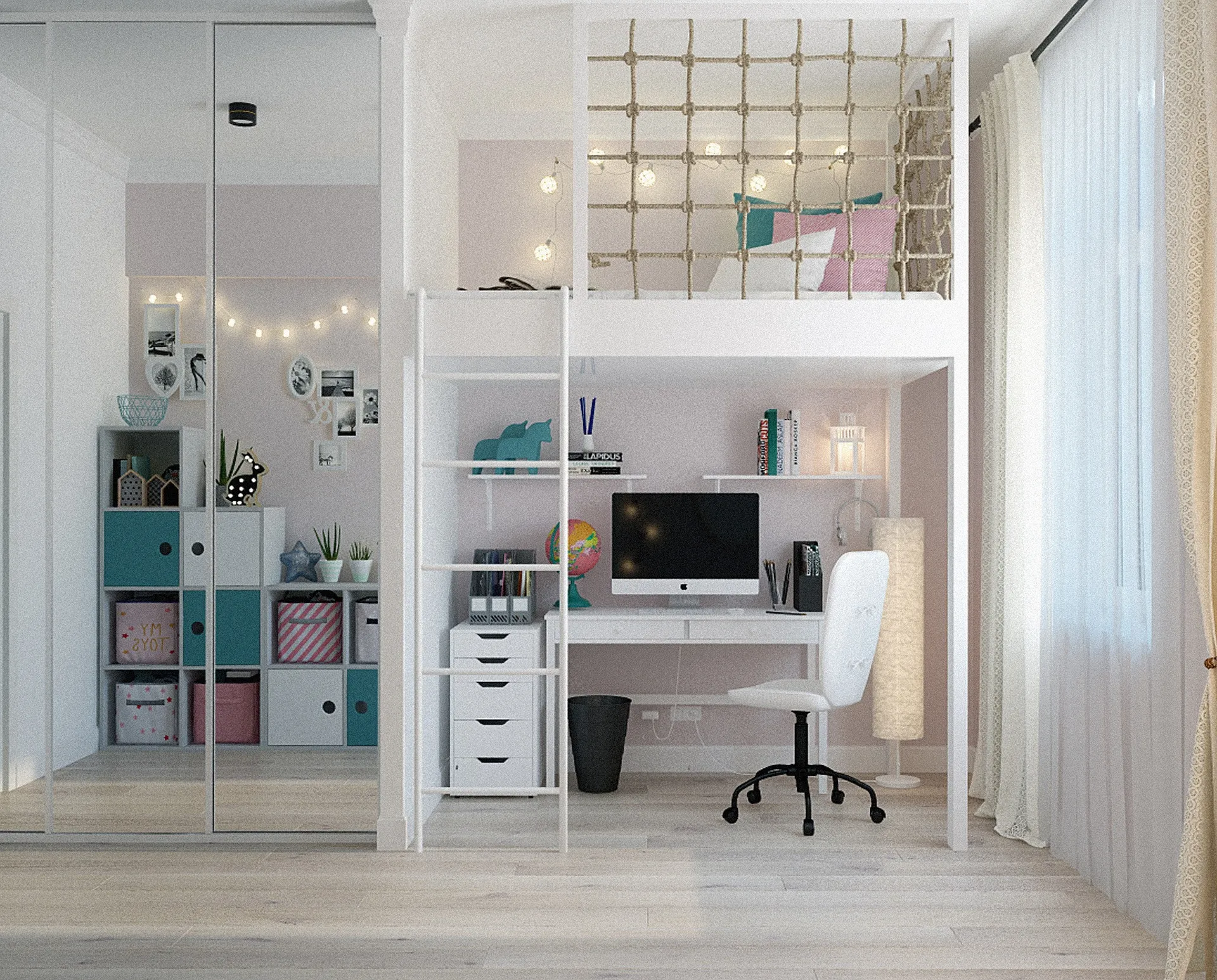
- Homework or study areas
- Play spaces for younger children
- Quiet retreats for parents
- Outdoor entertaining areas
When these zones are thoughtfully organised, the home functions smoothly without constant clutter or disruption.
Choosing a Family-Friendly Colour Palette
Colour plays a powerful role in creating cohesion.
Family homes benefit from a neutral foundation palette that flows from room to room. Popular choices include:
- Warm whites
- Soft greys
- Natural timber tones
- Gentle beige or stone shades
These neutral bases allow flexibility as children grow and preferences change.
Accent colours can then be introduced through:
- Cushions
- Artwork
- Rugs
- Throws
- Lamps
- Decorative accessories
Children’s bedrooms can introduce brighter colours, but keeping a subtle connection to the overall palette ensures the entire home still feels unified.
Selecting Durable Yet Elegant Materials
Children naturally bring energy and activity into a home, which means materials must be chosen with durability in mind.
However, durability does not mean sacrificing style. Many modern materials combine both elegance and resilience.
Examples include:
Performance fabrics
Modern upholstery fabrics are designed to resist stains, spills, and wear while maintaining a luxurious appearance.
Timber flooring
Timber floors are timeless, durable, and easy to clean—ideal for active households.
Engineered stone surfaces
Kitchen benchtops made from engineered stone resist scratches and stains.
Washable paint finishes
High-quality interior paints allow walls to be cleaned without damage.
When these materials are selected thoughtfully, the home remains beautiful even with children living in it.
Furniture That Balances Style and Function
Furniture plays a central role in family home design.
When children are involved, furniture must meet three key requirements:
- Comfort
- Durability
- Safety
Large, comfortable sofas encourage family gatherings and relaxed evenings together. Rounded coffee tables or soft ottomans reduce the risk of injury for younger children. Storage furniture is particularly important in family homes.
Examples include:
- Sideboards with concealed storage
- Coffee tables with drawers
- Storage benches
- Built-in shelving
These pieces help maintain a tidy environment without constant effort.
Smart Storage: The Secret to Family Harmony
Clutter is one of the biggest challenges in family homes.
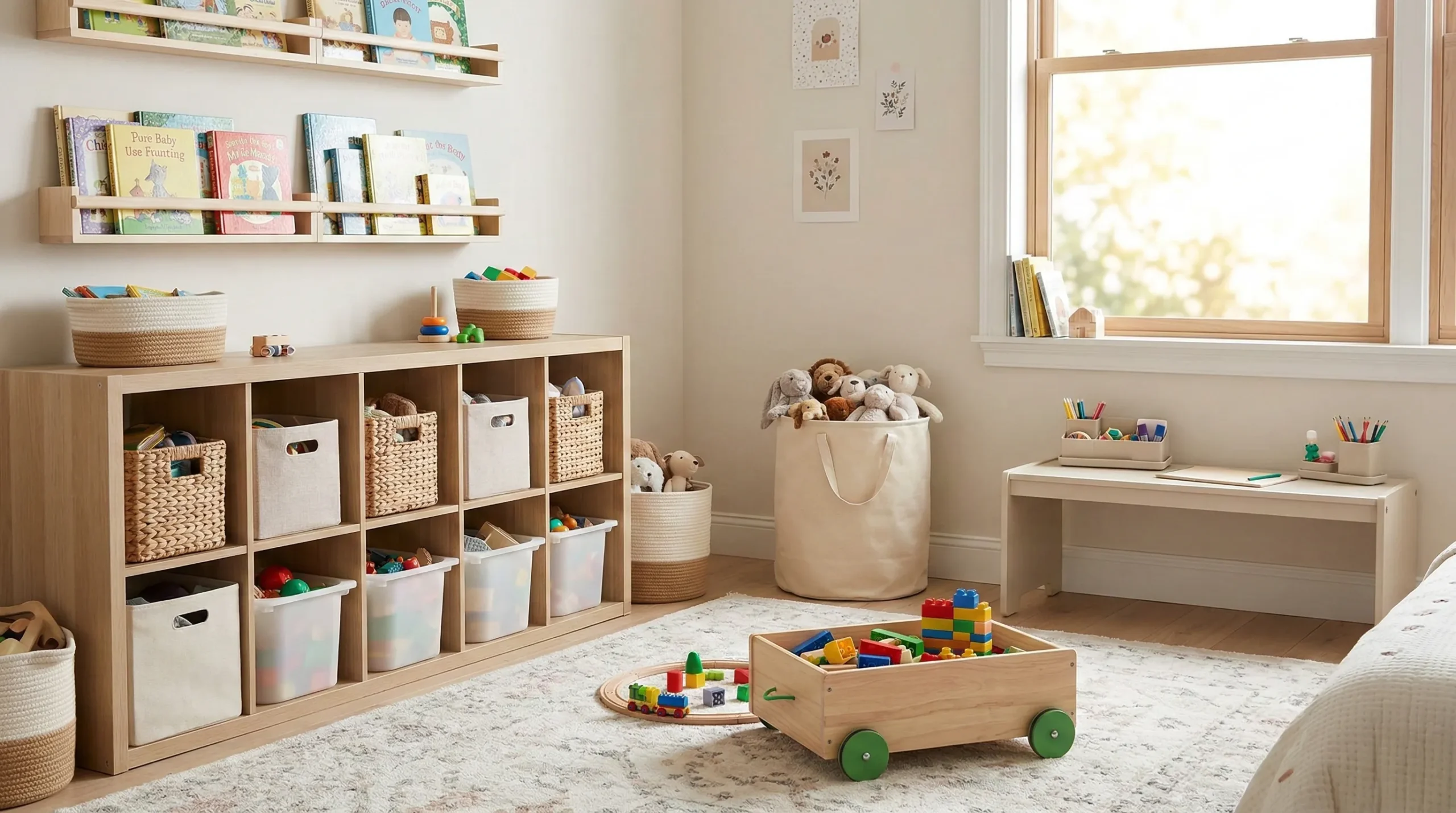
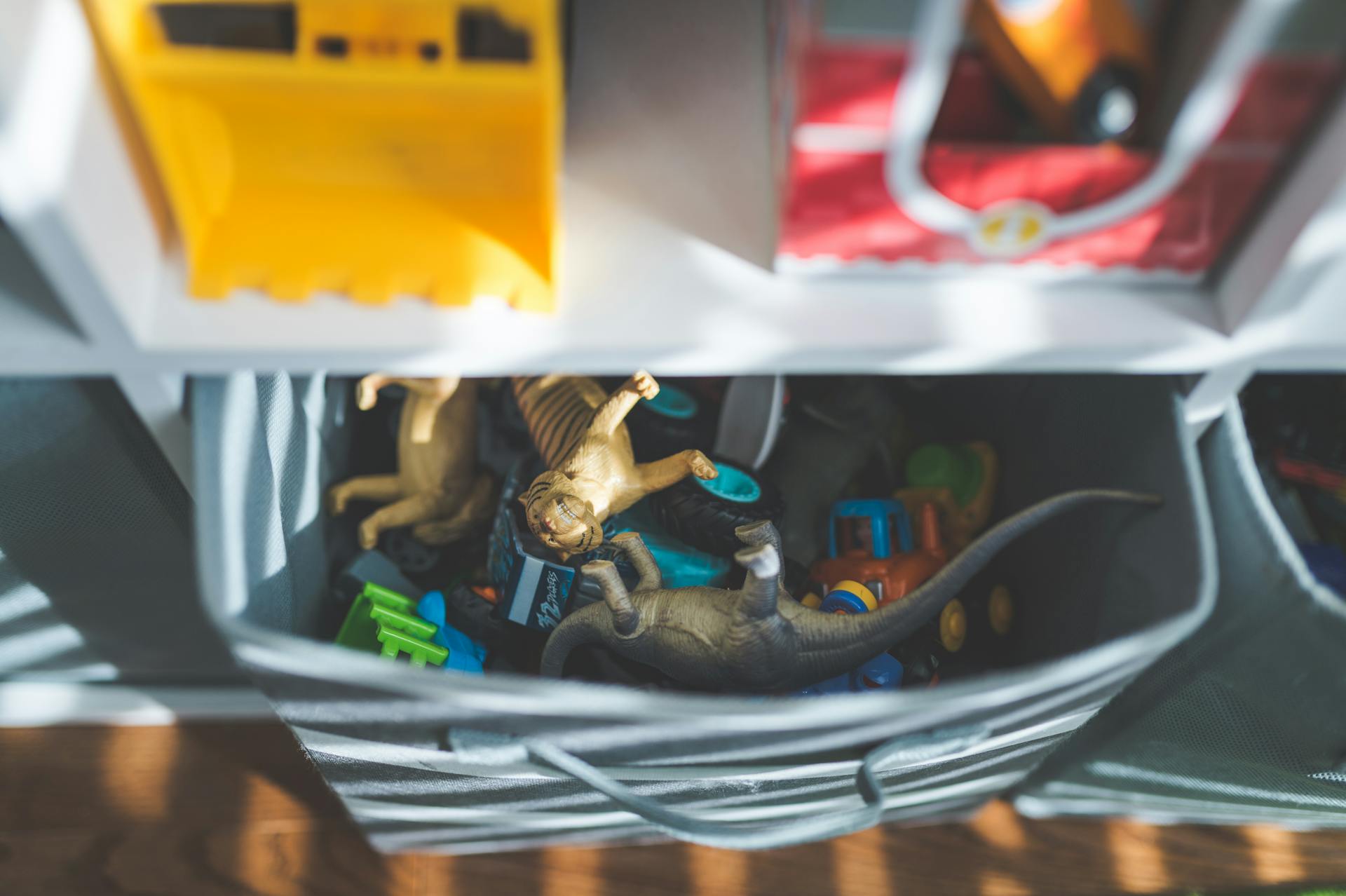
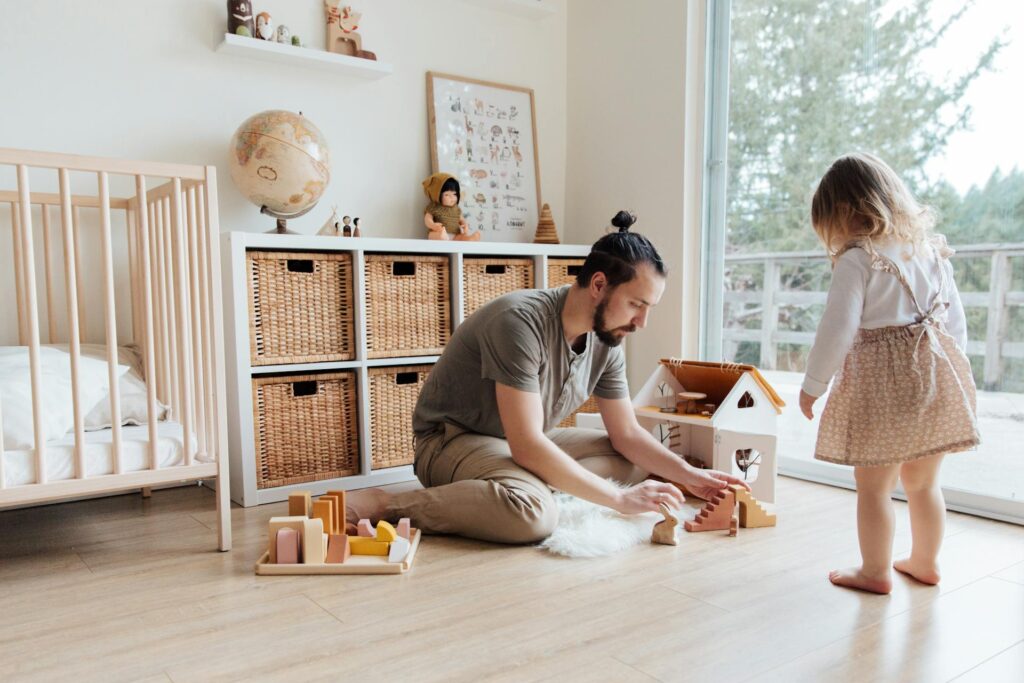
Children accumulate toys, books, school supplies, sports equipment, and hobbies. Without effective storage, these items quickly overwhelm shared spaces.
Smart storage solutions include:
- Built-in cabinetry
- Storage baskets
- Toy chests
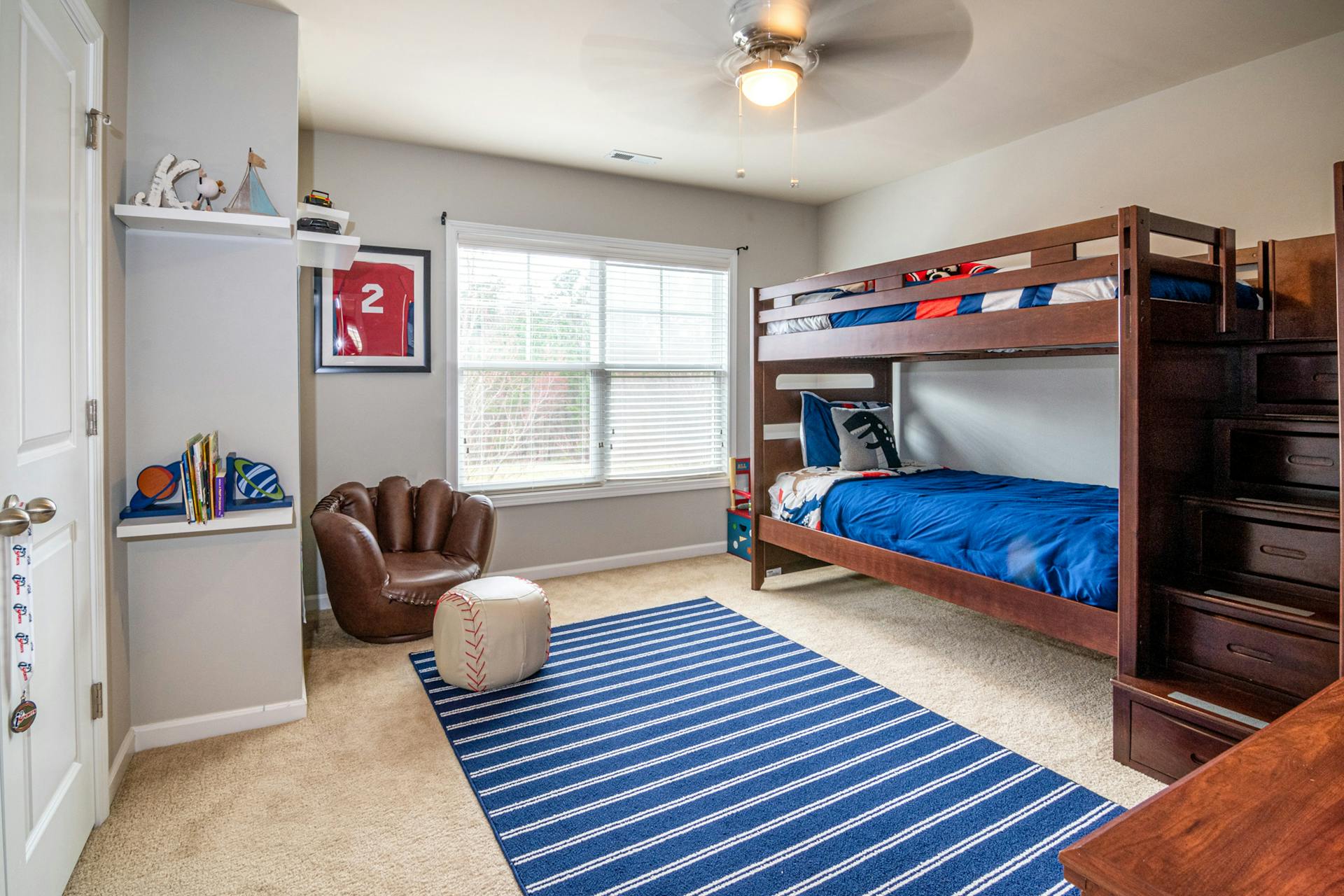
- Under-bed drawers
- Wall shelving
For younger children, accessible storage allows them to participate in tidying up their own belongings.
For teenagers, well-designed storage helps maintain organisation during busy school years.
Designing Spaces that Grow with Children
Children grow rapidly, and their needs evolve.
A well-designed family home anticipates these changes.
For example:
A playroom for toddlers may later become a study room for teenagers.
A reading nook may transform into a quiet workspace.
Furniture that adapts over time is particularly valuable.
Examples include:
- Adjustable desks
- Modular shelving systems
- Convertible beds
Planning for flexibility reduces the need for major redesigns in the future.
Creating Comfortable Shared Living Areas
The shared living room is often the heart of the family home.
It should encourage togetherness while still feeling calm and stylish.
Key design considerations include:
- Comfortable seating arrangements
- Good lighting for different activities
- A balanced layout that allows movement
A large sofa paired with accent chairs often works well.
Layered lighting—such as floor lamps, table lamps, and ceiling lighting—helps create a welcoming atmosphere during evenings.
Rugs can help define the space while adding warmth and texture.
Incorporating Personal Touches
A cohesive home should still reflect the personality of the family living there.
Meaningful decorative elements can include:
- Family photographs
- Travel souvenirs
- Artwork created by children
- Personal collections
Displaying these thoughtfully adds character without creating visual clutter.
Gallery walls are particularly popular for family homes because they celebrate memories while enhancing interior design.
Outdoor Spaces as an Extension of the Home
Modern family homes increasingly treat outdoor areas as extensions of the interior.
Outdoor living spaces may include:
- Lounge seating
- Dining tables
- BBQ areas
- Outdoor play zones
When designed well, these spaces encourage children to spend time outdoors while providing parents with relaxing entertaining areas.
Materials used outdoors should be weather-resistant and easy to maintain.
Maintaining Style Without Sacrificing Comfort
Many parents worry that having children means abandoning sophisticated interiors. In reality, thoughtful design allows both style and comfort to coexist. The key is selecting furniture and materials that are beautiful but resilient.A home can feel refin ed while still welcoming the lively presence of children.
Conclusion
Designing a cohesive family home with children in mind requires thoughtful planning, durable materials, flexible spaces, and a balanced approach to style and practicality.
When these elements come together successfully, the result is a home that feels calm, organised, and welcoming—a place where both adults and children can thrive.
A well-designed family home is not simply a place to live. It becomes the backdrop for memories, laughter, learning, and everyday moments that shape family life.