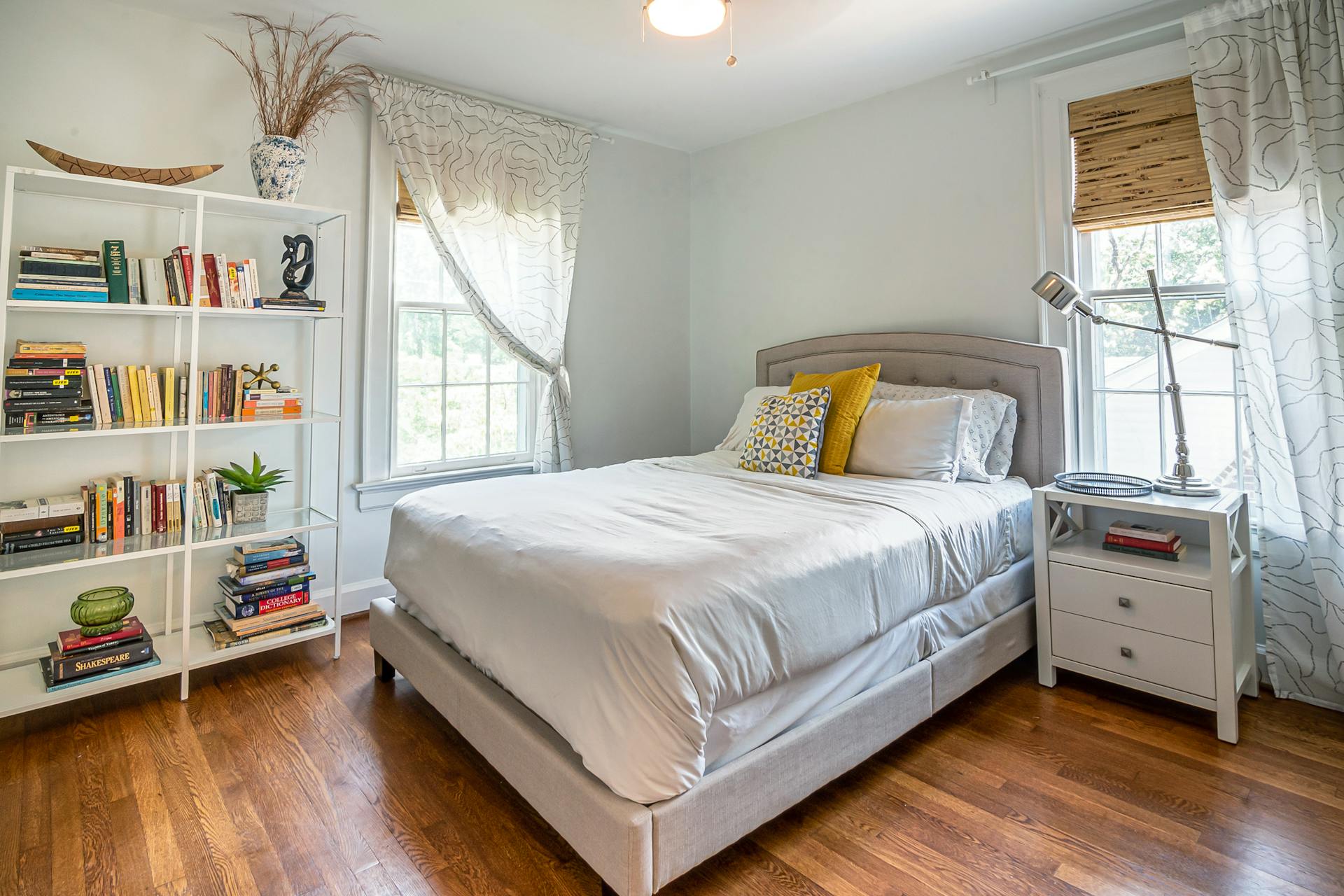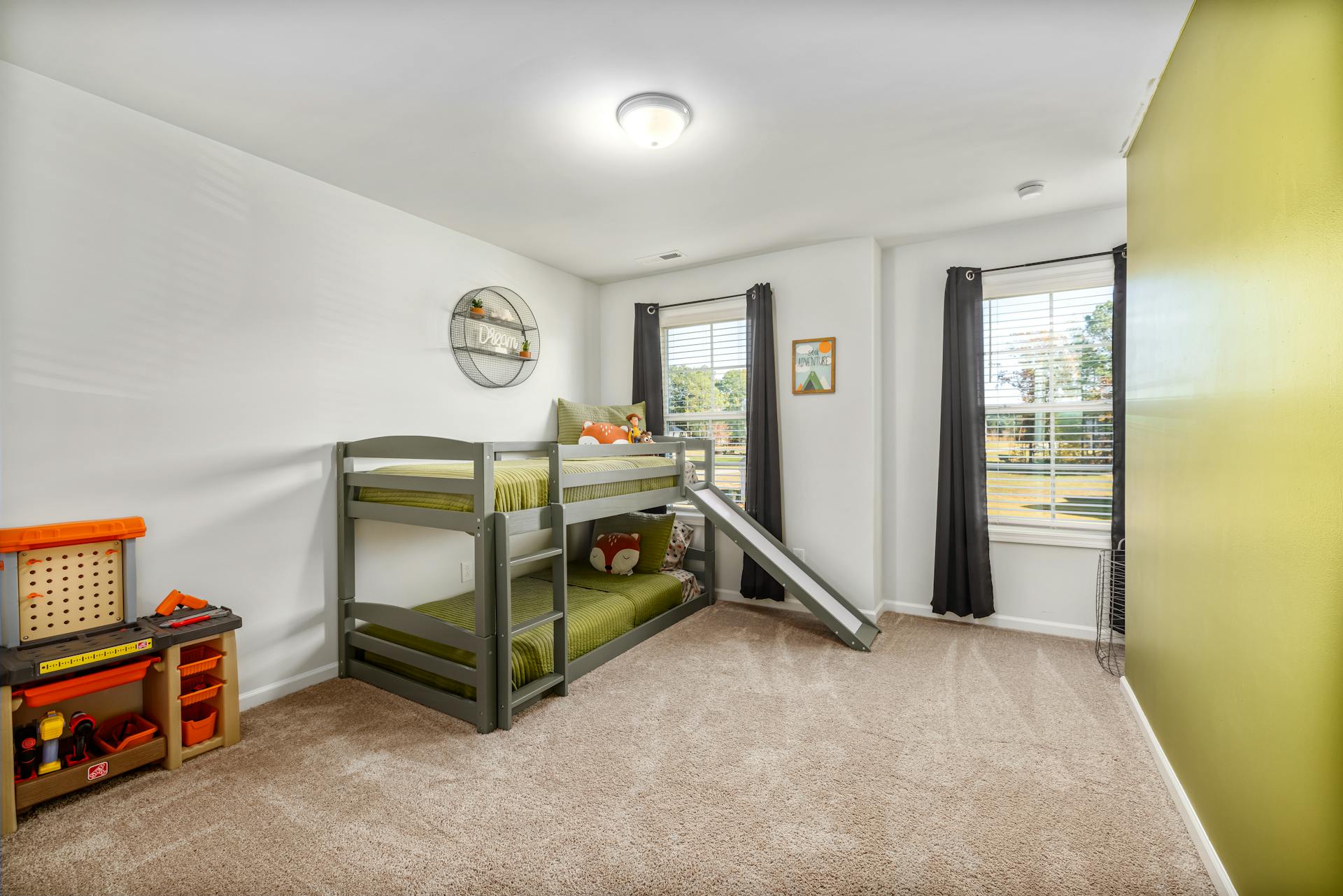
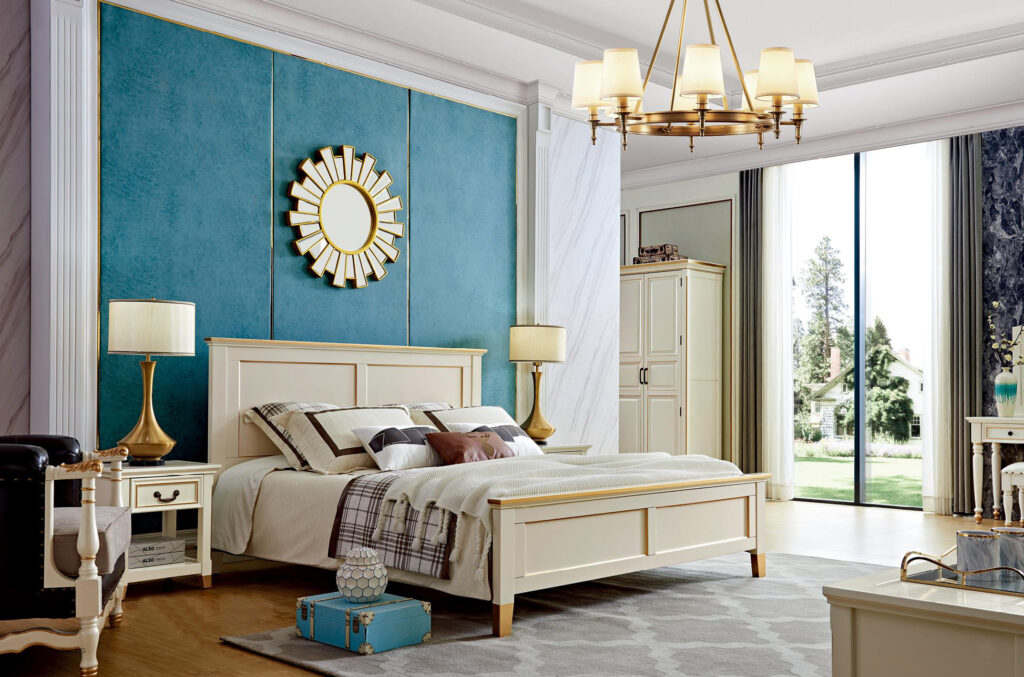

Colour has an enormous impact on how children feel. It influences mood, energy levels, concentration, and most importantly, the ability to relax and fall asleep. Parents often focus on toys, bedding, or furniture when trying to improve their child’s sleep, but the colour environment is one of the most powerful and overlooked influences.
Children, especially between the ages of three and twelve, are highly sensitive to their surroundings. Their nervous systems are still developing. Their brains are absorbing information constantly, even when they are not consciously aware of it. The colour of the walls, the bedding, the curtains, and even the floor can create either calmness or overstimulation.
If a child is sleeping poorly, waking frequently, resisting bedtime, or feeling anxious at night, the bedroom colour scheme may be contributing more than parents realise.
This article explores the best colour schemes to help children feel calm and sleep better, based on real-world interior design principles, colour psychology, and practical experience. It is written to help parents make sensible, timeless decisions that support sleep and emotional wellbeing, without turning the bedroom into something dull or boring.
A calm bedroom does not need to be bland. It simply needs balance.
Why Colour Affects Children More Than Adults
Adults often underestimate how much colour impacts children. Children have less ability to filter sensory input. Bright colours, harsh contrasts, and busy patterns can overstimulate the brain. This can lead to restlessness, difficulty settling, and even increased anxiety.
Children also associate colour with emotional experiences. If a bedroom is full of loud reds, bright yellows, and intense patterns, the child’s brain remains in a state of alertness rather than relaxation.
A calm colour scheme helps the nervous system slow down. It creates an environment where the child feels safe and settled.
Sleep is not only about physical tiredness. Sleep is about the brain feeling safe enough to switch off.
Colour plays a direct role in that feeling.
The Difference Between “Fun Colours” and “Sleep-Friendly Colours”
Many parents believe children need bright colours to feel happy. This is partially true. Children love colour. However, there is a major difference between playful accents and dominant colour schemes.
A sleep-friendly bedroom does not remove colour. It simply uses colour strategically.
The best approach is to create a calm base, then add playful accents in smaller doses.
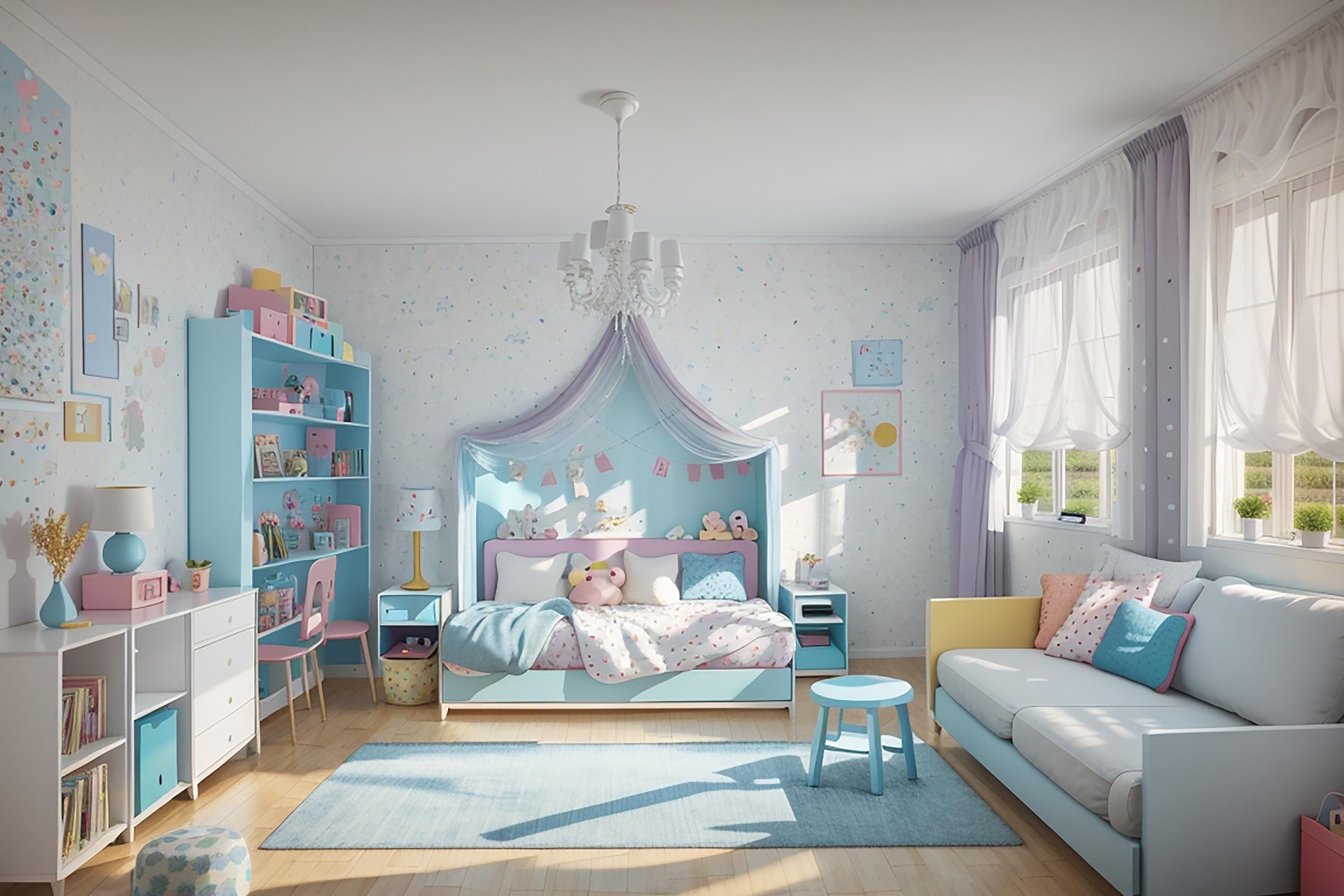
For example, soft blue walls with colourful cushions, toys, and artwork will still feel cheerful, but it will not overwhelm the senses.
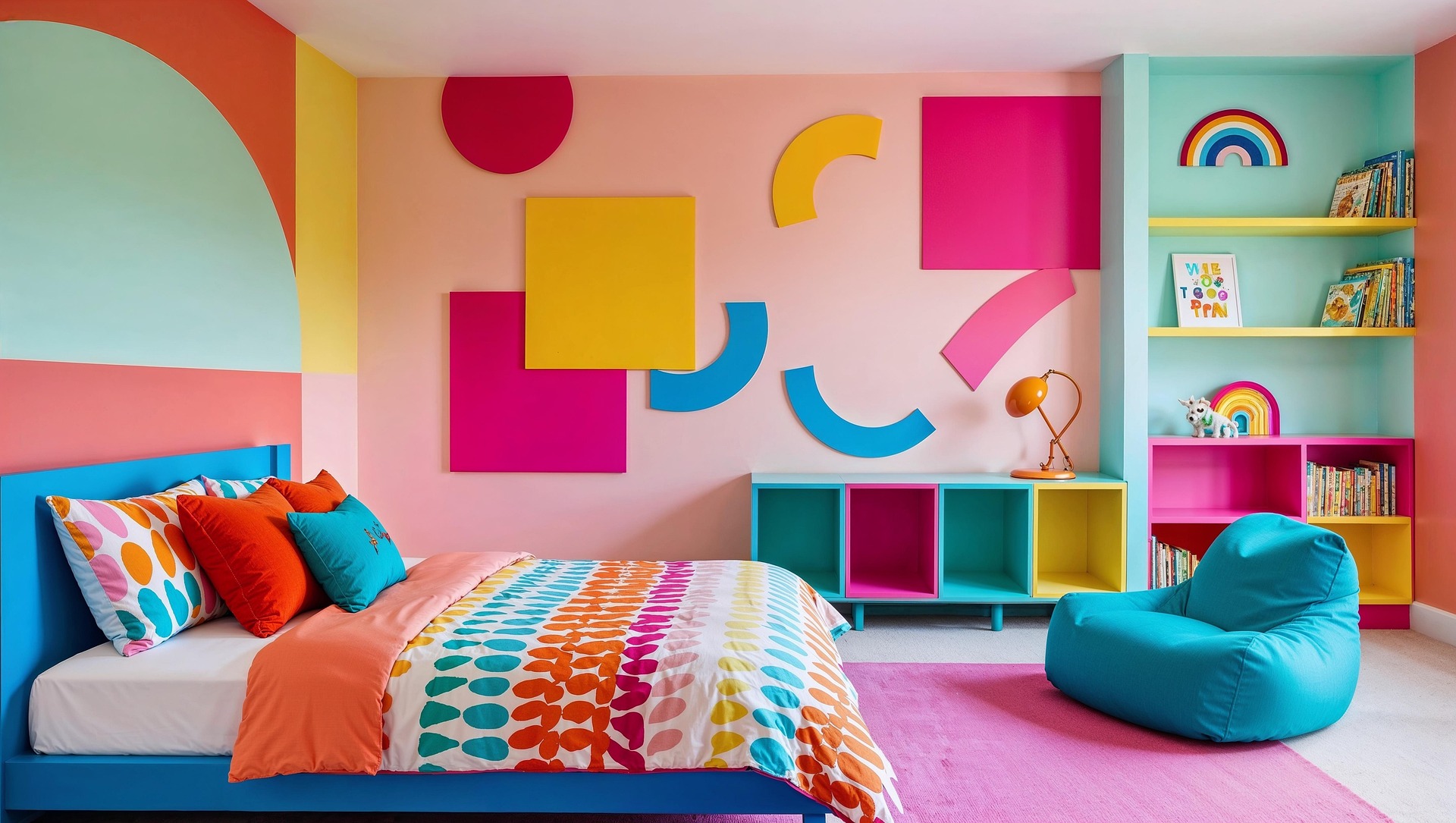
A bedroom with bright red walls, bold patterns, and high-contrast décor may look exciting, but it can make bedtime a battle.
The goal is to design a room that feels joyful during the day and calming at night.
The Most Calming Colours for Children’s Bedrooms
Certain colours are consistently associated with calmness, relaxation, and emotional stability.
The best calming colours include:
- Soft blues
- Gentle greens
- Warm neutrals
- Dusty pinks
- Muted lavender tones
- Earthy beige and sand colours
These colours work because they are found in nature. Humans are naturally comforted by colours that resemble the sky, water, forests, and earth.
Children respond strongly to these natural colours because they create a sense of safety.
Soft Blue: The Classic Sleep Colour
Soft blue is one of the best colours for children’s bedrooms. It is associated with calmness, trust, and emotional stability.
Blue tones can reduce feelings of stress and encourage relaxation. Many parents find that children settle more easily in blue bedrooms.
However, it is important to choose the right type of blue. Bright or electric blue can feel too stimulating. Deep navy can sometimes feel too dark for young children.
The best blues for sleep include:
- Powder blue
- Dusty blue
- Sky blue
- Muted denim blue
Soft blue walls paired with warm white trim can create a peaceful environment. You can then add playful accents such as colourful bedding or artwork.
Blue is particularly effective for children who are naturally energetic or who struggle with bedtime.
Soft Green: The Colour of Balance and Calm
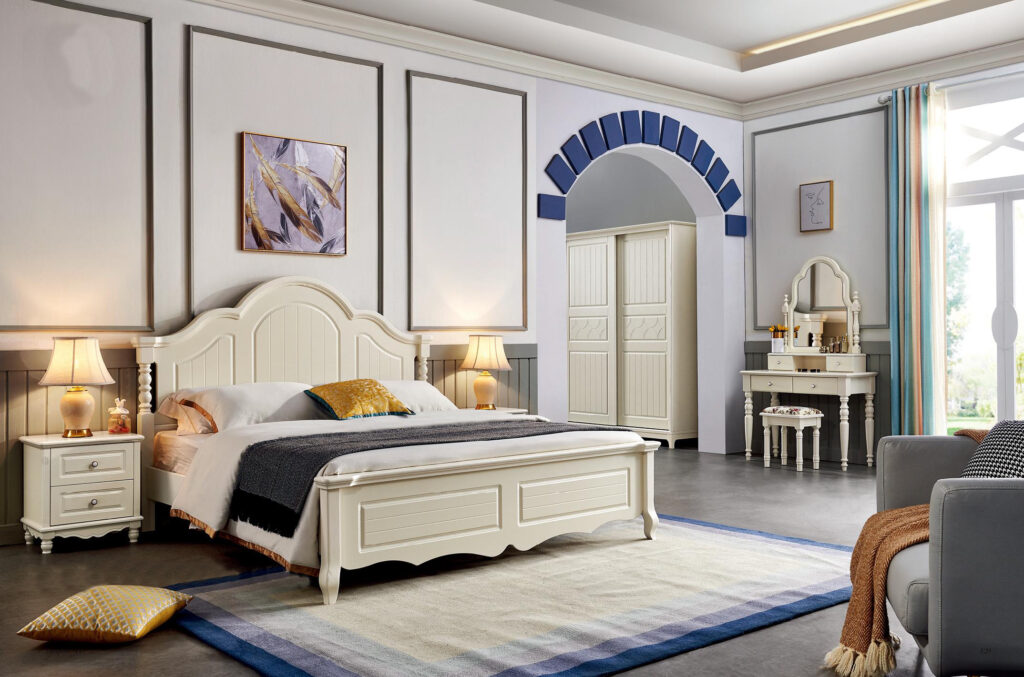
Green is another excellent choice for children’s bedrooms. Green is linked to nature, renewal, and emotional balance.
Soft green shades create a calming atmosphere without feeling cold. Green is often considered one of the most restful colours for the human eye.
The best greens for children’s bedrooms include:
- Sage green
- Eucalyptus green
- Soft mint
- Muted olive tones
Green is particularly helpful for children who experience anxiety or overstimulation. It creates a stable and grounding environment.
A sage green wall colour combined with warm timber furniture can create a bedroom that feels calm, timeless, and sophisticated.
Green also works well for both boys and girls, making it a practical long-term choice.
Warm Neutrals: Calm Without Feeling Clinical
Neutral colours are sometimes dismissed as boring, but warm neutrals are one of the best choices for sleep-friendly bedrooms.
Warm neutrals create a soothing background that allows the room to feel light, open, and peaceful.
The key is warmth. Cool greys can feel sterile. Warm creams and beige tones feel comforting.
The best warm neutrals include:
- Cream
- Warm off-white
- Soft beige
- Sand tones
- Light caramel
- Warm greige (grey-beige blend)
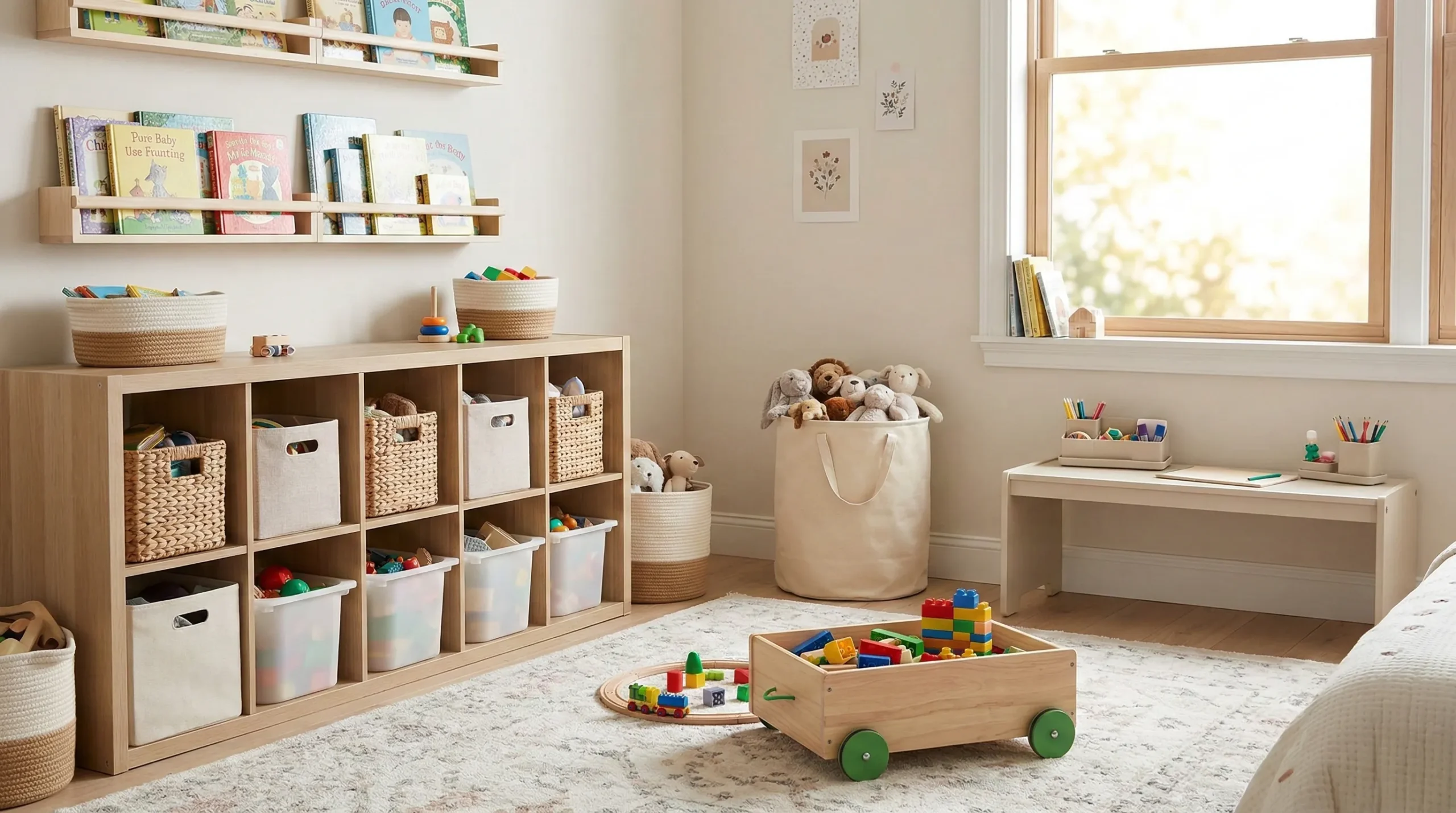
Neutral walls also make it easy to update the room over time with new accessories.
A neutral bedroom can still be fun if you add colourful bedding, wall art, and toys.
Neutrals are excellent for parents who want a stylish bedroom that still feels child-friendly.
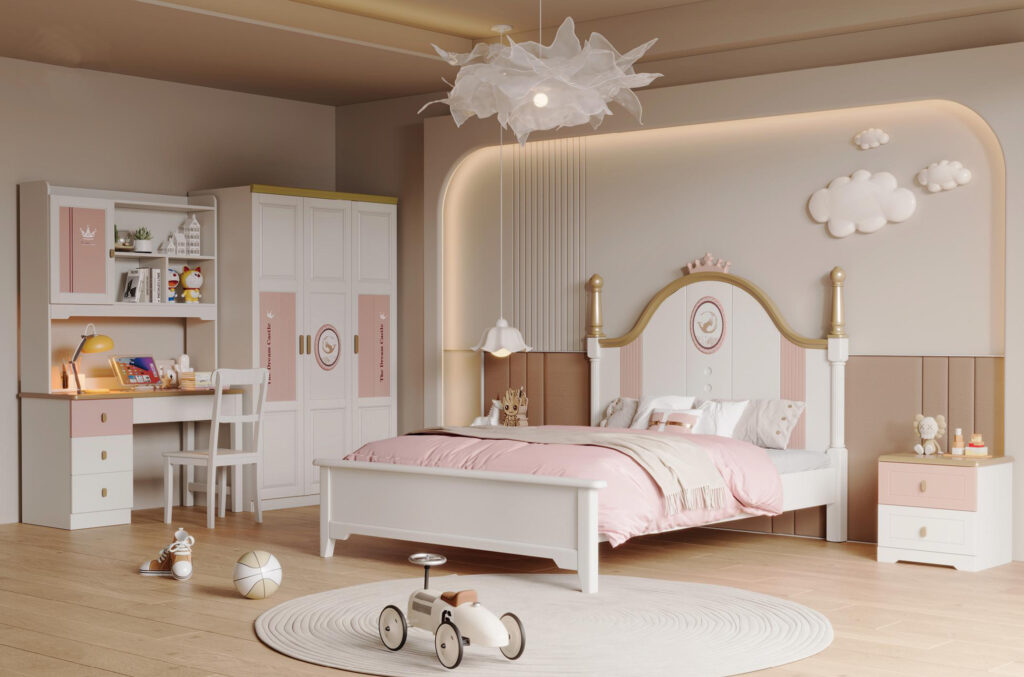
Dusty Pink: Softness Without Overstimulation
Pink is often associated with childhood, but bright pink can be overstimulating. Dusty pink tones, however, can be incredibly calming.
Muted pink creates warmth and comfort. It can feel nurturing, soft, and safe.
The best pink shades for sleep include:
- Dusty rose
- Muted blush
- Soft terracotta pink
- Warm pastel pink
Dusty pink works particularly well with white furniture, warm timber tones, and natural textures such as linen or cotton.
This colour is often beneficial for children who need extra emotional reassurance, as it creates a gentle and comforting atmosphere.
Lavender and Soft Purple: Calm With a Touch of Magic
Purple can be a tricky colour. Bright purple can feel dramatic, but soft lavender can be very soothing.
Lavender is often associated with relaxation. It is commonly used in calming products such as bath salts and bedtime sprays, and the colour itself can support a similar mood.
The best purple tones for children’s bedrooms include:
- Soft lavender
- Muted lilac
- Greyed-out purple tones
Lavender is a good choice for children who enjoy imaginative themes, such as fairies, stars, or fantasy worlds, while still keeping the bedroom calming.
Earthy Colours: Grounding and Safe
Earthy tones are increasingly popular in modern children’s bedroom design. They are calming because they feel natural and grounded.
Earthy tones include:
- Soft terracotta
- Warm clay colours
- Light tan
- Sandstone
- Muted brown accents
These colours are excellent for children who are easily overstimulated. They create a sense of stability.
Earthy colours also pair beautifully with natural timber furniture and woven textures.
They are timeless, meaning the bedroom will not look outdated quickly.
Colours to Avoid for Better Sleep
Some colours are known to increase stimulation and alertness. These colours are not necessarily bad, but they should not dominate a bedroom intended for restful sleep.
The colours to avoid as main wall colours include:
- Bright red
- Neon colours
- Strong orange
- Vibrant yellow
- High-contrast black and white schemes
Red is associated with energy and alertness. It can increase heart rate and make relaxation harder.
Bright yellow can be cheerful during the day but can feel too energising at night.
Orange can be stimulating if it is too intense.
Black and white contrast can feel harsh, especially for children who are sensitive to sensory input.
If your child loves these colours, it is better to use them in small accents rather than in large wall areas.
The Role of Colour Temperature: Warm vs Cool
Colour temperature matters just as much as the colour itself.
Warm colours feel cosy and comforting. Cool colours feel airy and calm.
Both can work, but balance is essential.
Warm tones such as beige, cream, and dusty pink create a nurturing feel. Cool tones such as soft blue and sage green create a peaceful feel.
A bedroom can combine both. For example, warm timber furniture and beige rugs can soften a cool blue wall colour.
Avoid using cold greys with cold white lighting, as this can make the room feel clinical.
A child’s bedroom should feel like a warm, safe place.
Using Accent Colours Without Ruining Calmness
Children love bright colours. They also love themed décor. The solution is not to remove fun colours, but to use them intelligently.
The best way to do this is through accent colours.
Accent colours can be added through:
- Cushions
- Throws
- Artwork
- Toys
- Bed linen
- Small furniture pieces
- Rugs
For example, a calm sage green room can still include colourful bedding with animals, rainbows, or space themes.
The walls and large furniture pieces should remain calming, while accents bring personality.
This keeps the room visually balanced.
Patterns and Prints: How Much Is Too Much?
Patterns can be beautiful, but too many patterns can overstimulate children.
The best rule is to limit bold patterns to one or two areas.
For example, you might have patterned bedding and a patterned rug, but keep curtains and walls plain.
Or you might have a feature wallpaper wall, but keep the other walls neutral.
Busy patterns in large quantities can create a sense of visual noise. This can make it harder for children to relax at bedtime.
Simple patterns such as gentle stripes, small florals, or soft star prints are often better than bold geometric designs.
The Importance of Lighting When Using Colour
Colour is influenced heavily by lighting. A calming colour can become harsh under bright white lighting.
For sleep-friendly bedrooms, lighting should be warm-toned.
Warm lighting makes colours feel softer and more comforting. Cool white lighting makes colours feel sharper and more intense.
If you want a bedroom to support sleep, use warm globes and soft lamps. Dimmable lights are ideal. A dim light at bedtime signals to the brain that sleep is coming.
Even the best colour scheme can fail if the lighting is wrong.
Matching Colour Schemes to Personality Types
Children have different temperaments. A colour scheme that works for one child may not work for another.
Some children are naturally energetic. They benefit from soft blues and greens.
Some children are anxious. They benefit from warm neutrals and earthy tones.
Some children are sensitive and emotional. They may respond well to dusty pink or warm beige.
Some children are highly imaginative and dreamy. Lavender or soft sky tones may suit them.
The best colour scheme is one that supports the child’s emotional needs, not just what looks trendy.
A Practical Colour Scheme Guide for Parents
A reliable method for designing a calming bedroom colour scheme is the 60-30-10 rule.
- 60% should be the main calming base colour. This is usually the wall colour and large furniture.
- 30% should be secondary tones. This might be bedding, curtains, or rugs.
- 10% should be accent colours. This includes cushions, artwork, and decorative items.
For example:
- Soft sage walls (60%)
- Warm white furniture and beige rug (30%)
- Mustard cushions and playful artwork (10%)
This method keeps the room balanced and visually calm.
Best Colour Scheme Combinations for Sleep-Friendly Bedrooms
Some combinations consistently work well for children’s sleep.
- Soft blue and warm white
- Sage green and timber tones
- Cream and dusty pink
- Warm beige and muted navy accents
- Lavender and soft grey-white
- Sand tones with olive accents
These combinations feel timeless and soothing. They also allow flexibility for changing accessories as the child grows.
The Role of Natural Materials in Enhancing Colour Calmness
Colour is not only paint. It is also materials.
Timber furniture adds warmth and comfort. Natural woven baskets create softness. Cotton bedding and linen curtains support a relaxed feel.
Natural materials enhance calming colours because they make the room feel grounded.
A bedroom filled with plastic furniture and shiny finishes may feel visually loud, even if the colours are calm.
If you want a bedroom that supports sleep, use natural textures wherever possible.
Creating Calm Without Making the Room Boring
Parents sometimes worry that calming colours will make the room dull.
The truth is that children do not need visual chaos to feel happy. They need warmth, comfort, and personality.
A calm bedroom can still feel joyful through:
- Artwork featuring animals, stories, or adventure themes
- Soft toys displayed neatly
- Colourful books on shelves
- A fun bedhead shape or canopy
- A playful rug design
- Bright cushions that can be swapped out easily
A calm base allows imagination to stand out. Children often play more deeply in calm environments because they can focus better.
Common Bedroom Colour Mistakes That Affect Sleep
Many parents unintentionally create sleep problems through design.
Common mistakes include:
- Using bright primary colours as wall colours
- Using neon décor or overly vibrant bedding
- Too many patterns and contrasting colours
- Cold white lighting
- Dark bedrooms that feel heavy or scary
- Over-themed bedrooms that overstimulate the child
A bedroom should feel comforting at night. If it feels like a play centre, sleep becomes harder.
How to Improve Sleep Without Repainting Everything
If repainting is not possible, there are still ways to calm a bedroom colour scheme.
- Replace bright bedding with softer tones.
- Add neutral curtains.
- Use warm lighting.
- Introduce a soft rug.
- Reduce clutter and visual noise.
- Add calming wall art.
- Cover bright furniture with fabric slipcovers or neutral throws.
Small changes can make a large difference.
Final Thoughts: Calm Colour Schemes Create Better Sleep and Better Days
A child’s sleep affects everything. It affects mood, behaviour, learning, energy levels, and family harmony.
Colour is not just decoration. It is an environmental influence that shapes the way children feel in their own space.
The best colour schemes for children’s bedrooms are those that create calmness without removing joy. Soft blues, gentle greens, warm neutrals, dusty pinks, and earthy tones provide the ideal foundation.
When a child’s bedroom feels safe, soft, and balanced, bedtime becomes easier. Sleep becomes deeper. The child feels more secure.
And when children sleep well, they thrive.
A calm colour scheme is not only about making a bedroom look good. It is about creating an environment that supports emotional well-being and healthy development.
A child who sleeps well is a child who grows well.
Explore the exclusive Sleep collection at Maison Clair de Lune.