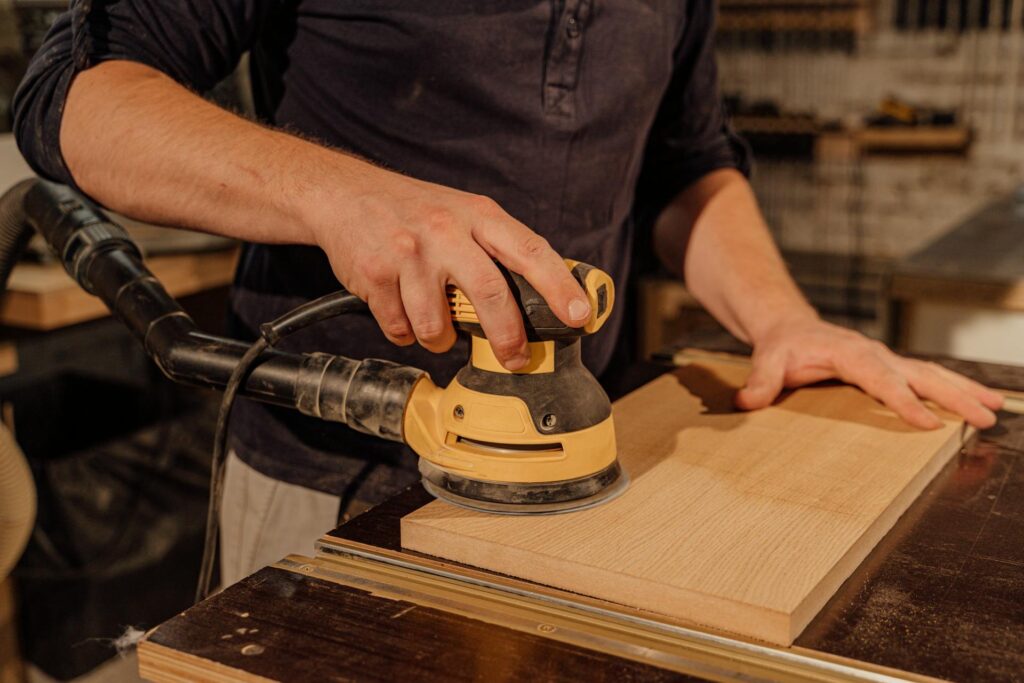

Behind every well-designed piece of children’s furniture lies a detailed process of testing and quality control. Responsible manufacturers understand that furniture intended for children must meet far higher standards of safety, durability, and reliability than typical household products.
Beds, desks, storage units, and seating used by children must withstand years of daily activity while maintaining structural integrity and safety. To achieve this, manufacturers implement rigorous testing procedures and quality control systems that verify performance before products ever reach a home.
Understanding how these processes work helps parents, designers, and buyers recognise the importance of purchasing furniture produced under professional manufacturing standards.
Why Testing Is Essential for Children’s Furniture
Children interact with furniture in ways that go far beyond normal usage. They climb, jump, pull, push, and explore their environment with curiosity and energy. Furniture must therefore be capable of withstanding repeated movement, unexpected loads, and constant use.
Testing ensures that furniture can perform safely under these demanding conditions.
Without proper testing procedures, manufacturers cannot reliably predict how furniture will behave after months or years of use.
Quality testing identifies weaknesses early in the design and production process so that improvements can be made before products reach consumers.
Structural Load Testing
One of the most important forms of testing involves verifying the structural strength of furniture.
Load testing evaluates how furniture responds to weight and repeated stress. Beds may undergo testing that simulates years of sleeping, sitting, and movement.
Desks and shelving units are tested for their ability to support heavy books, electronics, and storage loads without sagging or collapsing.
Testing equipment applies controlled pressure to different parts of the furniture to replicate real-world use.
These tests help ensure that frames, joints, and supporting structures remain stable even after extended use.
Durability and Fatigue Testing
Durability testing examines how furniture performs after repeated cycles of use.
For example, drawer systems may be opened and closed thousands of times in testing environments to ensure that runners, hinges, and handles remain functional.
Chair frames and bed structures may undergo repeated impact testing to simulate years of movement and activity.
Fatigue testing helps identify components that may weaken over time. By detecting these issues early, manufacturers can redesign components or strengthen materials to improve long-term performance.
Stability and Tip-Over Testing
Furniture stability is particularly important in children’s environments. Tall cabinets, shelving units, and dressers must remain stable even when drawers are extended or when weight shifts forward.
Testing laboratories perform stability tests that simulate real-world conditions where children might climb onto furniture or pull out multiple drawers.
These tests help determine whether furniture requires additional reinforcement or anti-tip safety features.
Manufacturers that prioritise safety often include wall-anchoring systems or improved weight distribution designs.
Material and Chemical Safety Testing
Modern furniture manufacturing must also address the safety of materials used in construction.
Many countries regulate the types of adhesives, finishes, and coatings that can be used in furniture production.
Testing laboratories examine materials for harmful chemical emissions, including volatile organic compounds that may affect indoor air quality.
Certified materials and finishes help ensure that furniture does not introduce harmful substances into a child’s living environment.
Responsible manufacturers use regulated materials that comply with international health and safety standards.
Edge, Surface, and Finish Testing
Children’s furniture must be designed to minimise physical hazards such as sharp edges or rough surfaces.
Testing procedures evaluate the smoothness of finishes, the rounding of corners, and the durability of protective coatings.
Surface coatings must resist scratching, peeling, and wear while remaining safe to touch.
Testing also ensures that paint and finishes adhere properly to surfaces and do not chip or flake easily.
The Role of International Standards
Furniture testing often follows recognised international safety standards.
These standards define the performance requirements that furniture must meet before it can be considered safe for consumer use.
Examples include structural stability requirements, chemical safety regulations, and mechanical durability guidelines.
Manufacturers that follow recognised standards demonstrate a commitment to producing reliable and responsible products.
Compliance with these standards provides reassurance for retailers and consumers alike.
Quality Control Throughout the Production Process
Testing does not occur only at the final stage of manufacturing. Quality control begins at the earliest stages of production.
Raw materials are inspected before entering the manufacturing process to ensure consistency and strength. During production, individual components are checked for accuracy and proper assembly.
Finished products are then inspected again before packaging and shipping.
This multi-stage approach ensures that quality is maintained throughout the entire manufacturing process.
Continuous Improvement Through Testing
One of the most valuable aspects of testing is its role in continuous improvement.
Manufacturers analyse testing results to identify opportunities for strengthening designs and improving durability.
Product feedback from testing laboratories often leads to better materials, improved joint systems, and more reliable construction methods.
Over time, these improvements contribute to safer and more durable furniture products.
Why Quality Control Matters for Families
Parents may not see the extensive testing that occurs behind the scenes, but its benefits are reflected in the reliability of well-manufactured furniture.
Products that have undergone proper testing are less likely to fail unexpectedly and are more capable of withstanding years of everyday use.
This reliability provides reassurance that the furniture supporting a child’s daily activities has been carefully engineered for safety and durability.
Choosing furniture produced by responsible manufacturers ensures that families benefit from these rigorous safety standards.
Conclusion
Testing and quality control play a vital role in modern children’s furniture manufacturing. These processes verify that beds, desks, and storage units can safely handle the unique demands of children’s environments.
Through structural testing, durability evaluations, material analysis, and international safety standards, manufacturers can produce furniture that performs reliably over many years.
Parents who understand the importance of testing and quality control are better equipped to select furniture that prioritises safety, durability, and long-term value.
In the world of children’s furniture, thorough testing is not simply a technical requirement — it is an essential commitment to protecting the well-being of young families.