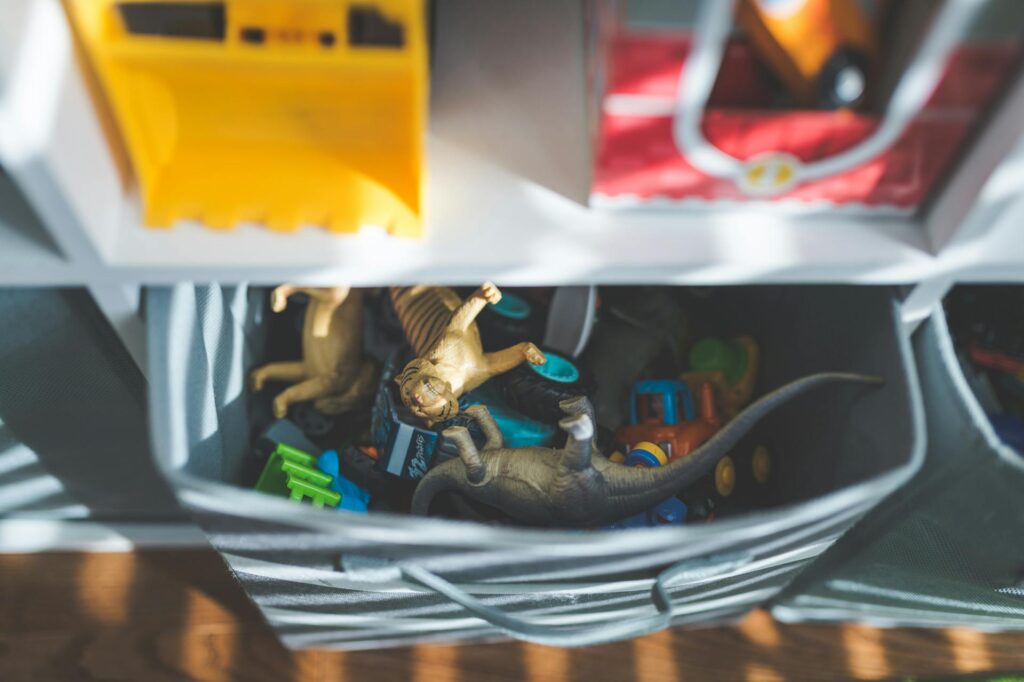

Toy clutter is one of the biggest challenges in family homes. Even in large bedrooms, toys can spread everywhere. In smaller rooms, toy clutter becomes overwhelming quickly.
Many parents try to solve this problem by buying more storage, but storage alone is not always enough. If your child has too many toys, the room will still feel cluttered, no matter how well you organise it.
This is where toy rotation becomes one of the smartest strategies available.
Toy rotation is a simple method of reducing clutter without forcing children to give everything away. It allows children to enjoy their toys more, while keeping the room calmer and easier to manage.
Toy rotation is also one of the most effective ways to teach children organisation, because it helps them understand that not everything needs to be out at once.
What is toy rotation?
Toy rotation is the practice of storing some toys away and keeping only a selection available at any given time.
After a set period (usually 2–6 weeks), the stored toys are swapped with the toys currently in use.
This means:
- Less clutter daily
- More space to play
- Toys feel “new” again when they return
- Children stop feeling overwhelmed by choice
It is one of the most practical and proven strategies for keeping children’s rooms tidy.
Why toy rotation works so well
Toy rotation works because children do not need endless choice. Too many toys can actually reduce play quality.
When children have too many toys:
- They jump quickly between activities
- They lose interest faster
- They struggle to tidy
- They feel overwhelmed
When children have fewer toys available:
- They play more creatively
- They focus longer
- They value toys more
- They tidy faster
Toy rotation doesn’t reduce fun. It increases it.
Toy rotation is not about depriving children
Some parents worry that toy rotation is unfair or restrictive.
In reality, it is the opposite. It creates a calmer environment and makes play more enjoyable.
Children often become more excited about toys when there are fewer options. The toys they have out get more attention and are used more deeply.
When rotated toys return, they feel fresh and exciting again.
Step one: decide how many toys should stay out
The first step is deciding how many toys should remain accessible.
A good general rule is:
Keep about 60–70% of toys out. Store 30–40% away.
If your child has a very large collection, you may store more.
The goal is to reduce the visible clutter enough that the room feels calm and easy to manage.
Step two: choose the best storage location for rotated toys
Rotated toys must be stored somewhere practical.
The best storage areas include:
- Under-bed storage drawers
- Rolling tubs under the bed
- Storage benches
- Wardrobe shelves
- Garage tubs (if climate safe)
- Cupboards in a hallway or spare room
The storage should be out of sight, but not impossible to access.
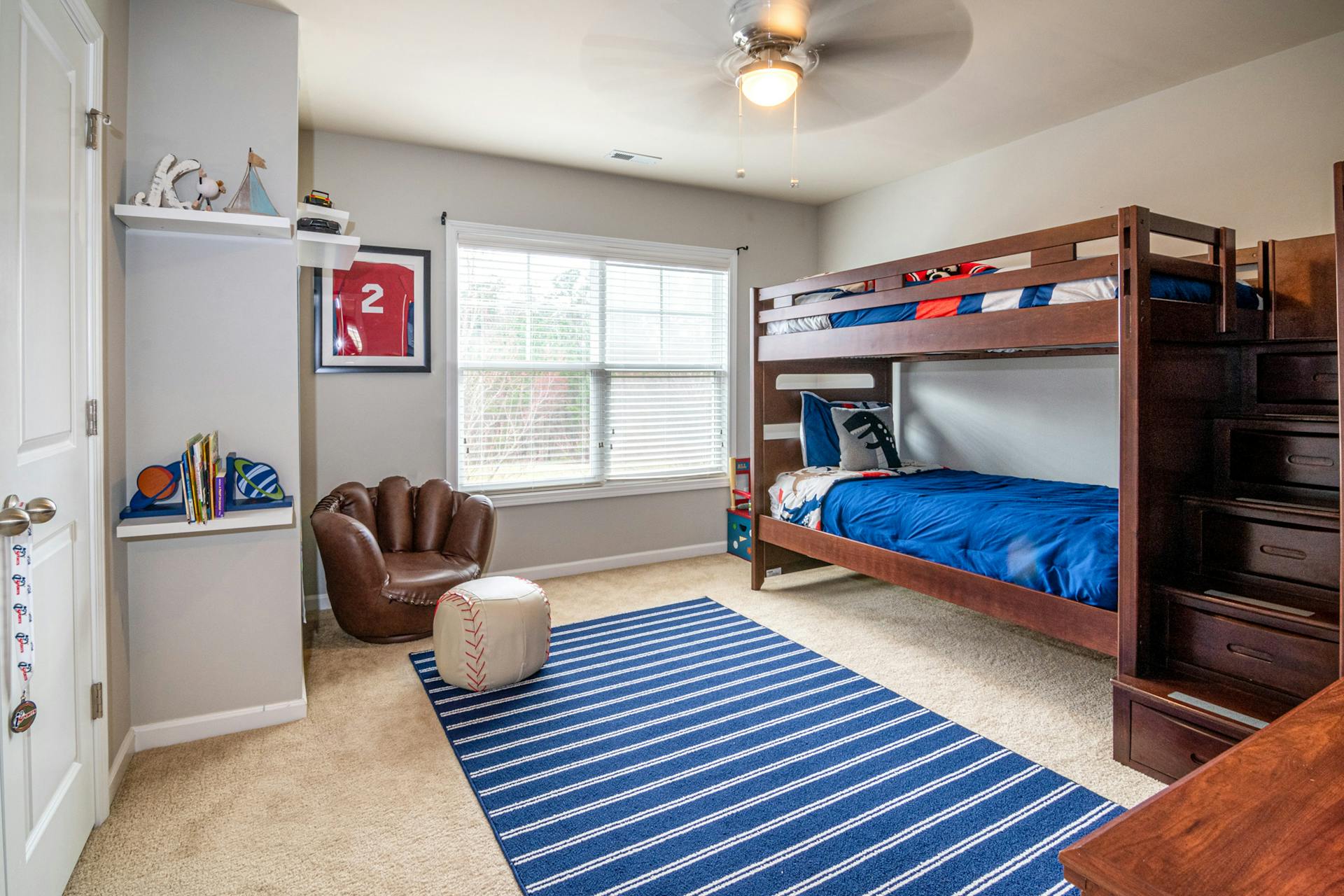
A storage bed is one of the best furniture choices for toy rotation because it creates hidden space inside the child’s room.
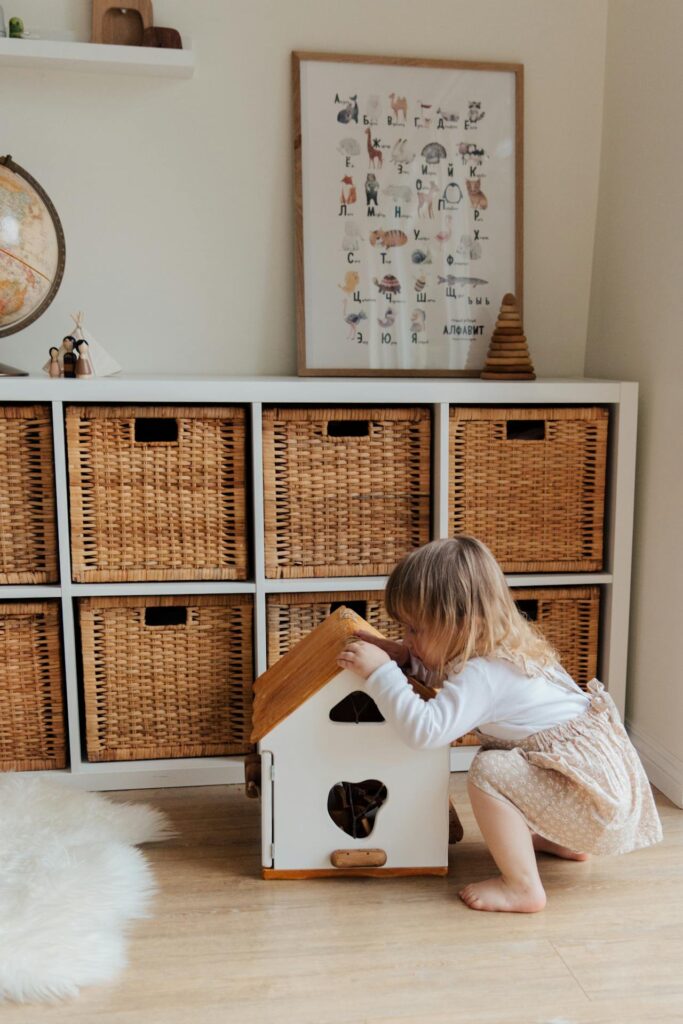
Step three: group toys into broad categories
Toy rotation works best when toys are grouped by category.
For example:
- Lego and building sets
- Dolls and role-play toys
- Cars and tracks
- Puzzles and board games
- Craft supplies
- Outdoor toys
- Soft toys
Grouping by category makes rotation easier because you can swap entire groups instead of individual items.
It also prevents the rotation from feeling random or confusing.
Step four: keep “daily favourite toys” out permanently
Toy rotation should not remove comfort items.
Certain toys should stay accessible all the time, such as:
- Favourite teddy bears
- Special comfort toys
- Daily-used building sets
- Creative items like drawing books
If you rotate away the child’s emotional favourites, you risk creating resistance.
The goal is to rotate clutter toys, not comfort toys.
Step five: rotate toys on a simple schedule
The best toy rotation schedule is simple and consistent.
A practical schedule is:
Rotate toys every 3 to 4 weeks.
This is long enough for children to fully enjoy the toys, but short enough that toys don’t become stale.
Some families rotate every 2 weeks, especially for younger kids. Others rotate every 6 weeks. The exact timing matters less than consistency.
The best schedule is the one you can realistically maintain.
Step six: use rotation as a reward system (without bribery)
Toy rotation can feel exciting if you present it properly.
Instead of saying, “We’re putting toys away,” say:
“Let’s swap your toys so you have some new ones again.”
Children respond better when they feel they are gaining something rather than losing something.
The return of rotated toys feels like receiving new toys, even though nothing new was purchased.
This reduces the pressure to constantly buy more toys.
Step seven: rotate toys based on seasons and activities
Toy rotation becomes even smarter when it matches seasons.
For example:
- In summer, rotate in water toys, outdoor games, and sports items.
- In winter, rotate in puzzles, board games, indoor building sets.
If your child has hobbies that change throughout the year, rotation keeps the room relevant and practical.
Step eight: rotate books as well
Toy clutter often includes books. Rotating books is an excellent strategy.
Instead of leaving 200 books on shelves, keep a selection available and store the rest.
This makes reading feel fresh again. Children often rediscover books they had forgotten about.
A small bookshelf or book display shelf works well for rotating books.
Step nine: use storage labels to make rotation easier
If you want toy rotation to be simple, label storage tubs.
For example:
- “Cars + Tracks”
- “Lego”
- “Dolls”
- “Puzzles”
- “Craft”
This makes it easy to grab one tub and swap it with another.
It also teaches children organisation skills because they learn that categories matter.
Toy rotation reduces clutter but also teaches responsibility
Toy rotation isn’t just a clutter strategy. It teaches children valuable habits.
It teaches them:
- Not everything needs to be out at once
- Belongings have a place
- Choices must be made
- Tidying is part of daily life
- Too much clutter reduces enjoyment
These lessons help children become more organised long term.
Common mistakes to avoid with toy rotation
Toy rotation fails when:
- Parents rotate too frequently (kids don’t settle into play).
- Parents rotate comfort toys (kids feel upset).
- Storage tubs are messy and unlabelled.
- Rotation becomes a stressful chore rather than a simple habit.
Toy rotation should feel easy. It should take 10–15 minutes, not hours.
The ideal toy rotation setup for most homes
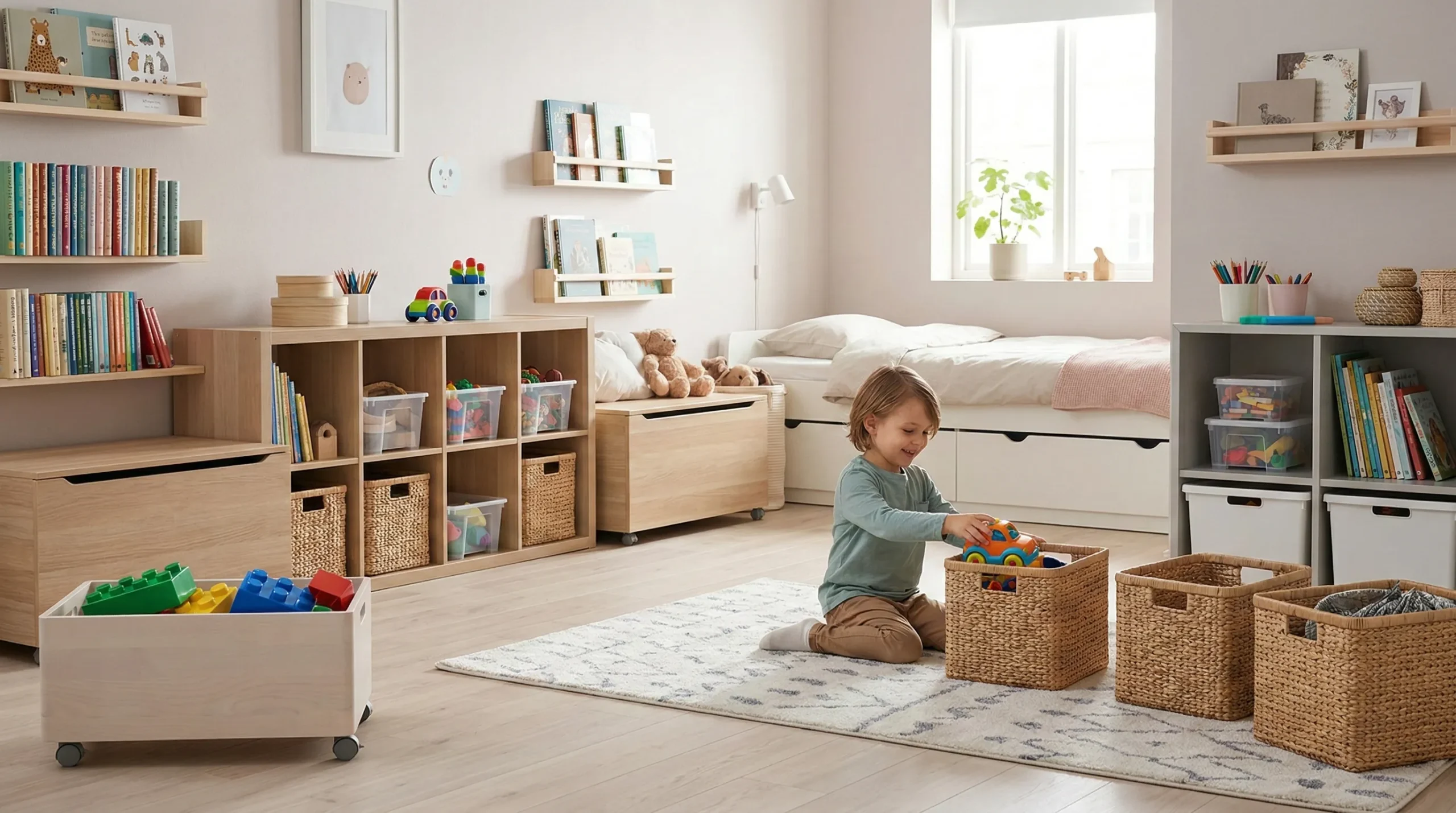
The most effective toy rotation setup includes:
- A bed with under-bed drawers
- Two or three storage tubs kept in a wardrobe or cupboard
- A basket system for daily toys
- A bookshelf with rotating books
- A clear play zone on the floor
This keeps the room calm, organised, and easy to maintain.
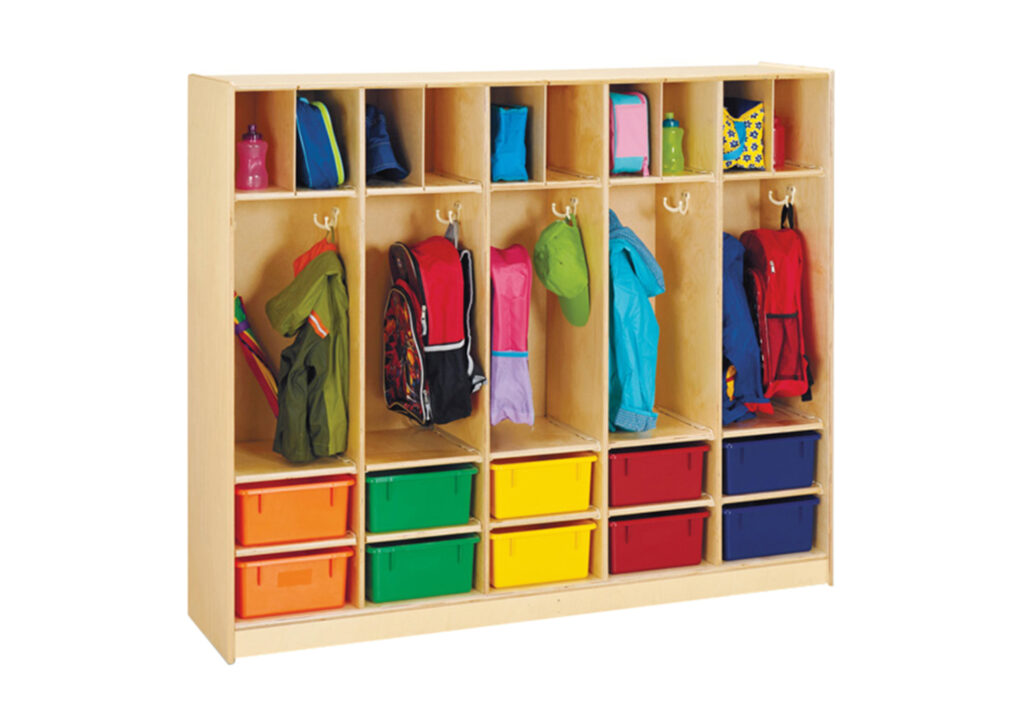
Final thoughts: less toys out means more enjoyment
Toy rotation is one of the simplest and most powerful ways to reduce clutter.
It reduces stress for parents, makes tidying easier for children, and helps kids enjoy their toys more.
Instead of buying more storage or constantly battling mess, toy rotation gives you a practical long-term solution.
It creates a calmer room, a calmer child, and a happier household.
And best of all, it works without stress.
Explore the storage furniture range at Maison Clair de Lune.