
Introduction
Shared living spaces are the emotional centre of any family home. These are the rooms where people gather to relax after a long day, share meals, celebrate occasions, or simply enjoy each other’s company.
Designing these spaces requires careful consideration. They must feel warm, welcoming, and comfortable for people of all ages while maintaining an attractive and cohesive aesthetic.
When shared spaces are thoughtfully designed, they naturally encourage connection and togetherness.
The Psychology of Warm Interiors
Warm interiors create emotional comfort.
Elements that contribute to warmth include:
- Natural materials
- Soft lighting
- Comfortable furniture
- Textural layers
Homes that feel welcoming often combine these elements in a balanced way.
For example, timber furniture and soft fabrics naturally create warmth, while harsh lighting or overly minimalist interiors can feel cold.
Furniture Layout for Conversation
One of the most important aspects of shared living spaces is furniture layout.
Furniture should encourage interaction rather than isolate individuals.
Common layouts include:
- U-shaped seating arrangements
- Sofas facing each other
- Circular seating arrangements
These layouts naturally encourage conversation and connection.
Layered Lighting for Comfort
Lighting dramatically influences the atmosphere of a room.
Instead of relying solely on overhead lighting, layered lighting creates warmth and flexibility.
Examples include:
- Floor lamps beside sofas
- Table lamps on side tables
- Soft pendant lighting
Dimmer switches also allow the mood of the room to change from bright daytime activity to relaxed evening gatherings.
Textures that Create Comfort
Textures play a subtle but powerful role in making spaces feel inviting.
Popular textures include:
- Wool rugs
- Linen upholstery
- Velvet cushions
- Natural timber finishes
Combining different textures adds depth and visual interest.
The Role of Colour
Warm colour palettes encourage relaxation.
Popular choices for shared living spaces include:
- Soft earth tones
- Warm neutrals
- Muted greens
- Gentle terracotta shades
These colours create a calming environment that supports family interaction.
Practical Design for Family Life
Shared living spaces must accommodate everyday activities such as:
- Watching television
- Reading
- Children playing
- Social gatherings
Furniture should therefore be durable and comfortable.
Large sectional sofas often work well for families because they allow multiple seating positions.
Creating Zones Within Shared Spaces
Large living areas benefit from subtle zoning.
For example:
- A reading corner with a comfortable chair
- A media area with a sofa and television
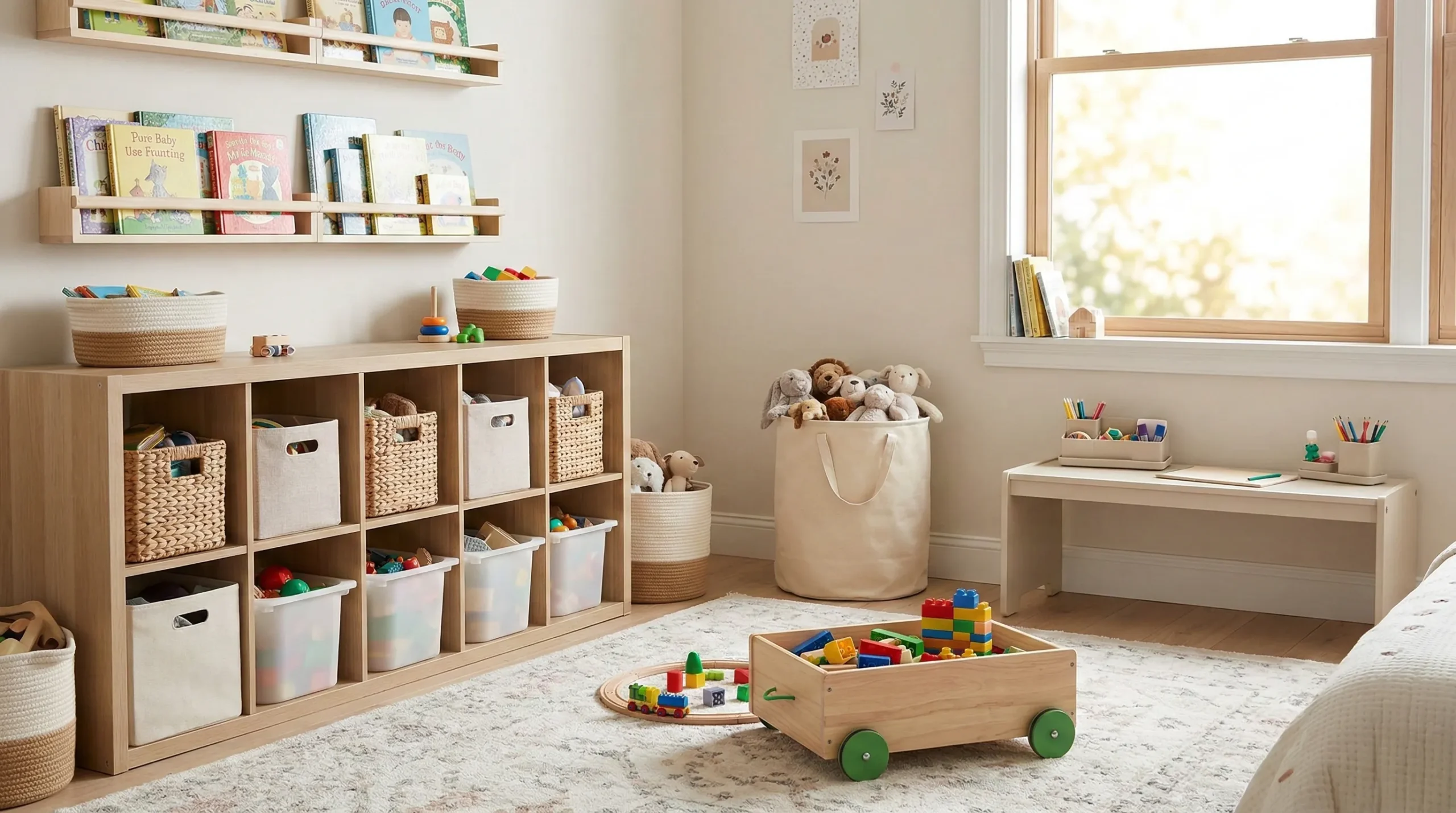
- A play space for younger children
These zones allow multiple activities to occur simultaneously without conflict.
Decorative Elements That Add Personality
Decorative elements help transform a house into a home.
These may include:
- Artwork
- Sculptural objects
- Indoor plants
- Family photographs
When used thoughtfully, these elements create a warm and personal atmosphere.
Maintaining Balance
While decorative elements are important, too many can create visual clutter.
The goal is balance.
A few carefully chosen pieces often create a stronger impression than many small items.
Conclusion
Warm and inviting shared living spaces are essential to family life.
Through thoughtful furniture layout, layered lighting, comfortable materials, and balanced decoration, these spaces become the heart of the home.
They provide a setting where families connect, relax, and create lasting memories.