
Toy storage is one of those topics that every parent thinks they’ve solved… until they haven’t.
Most families start with good intentions. They buy a toy box, add a few baskets, maybe install a shelving unit, and for a short while everything looks neat. Then the toys multiply, the categories get mixed, the lids break, the storage becomes awkward, and suddenly the room looks like a disaster zone again.
The truth is this: toy storage doesn’t fail because parents don’t try hard enough. It fails because most storage systems aren’t designed for how children actually behave.
Children do not store toys the way adults store household items. They don’t want to carefully stack, fold, label, and return things in neat order. They want fast access and fast cleanup. If the toy storage system is too complicated, they will ignore it.
A toy storage system that works well is one that matches the child’s age, habits, and energy levels—and it must also be safe, durable, and practical for daily use.
This article will show you exactly what works in real homes, what fails, and how to build a toy storage setup that stays effective long term.
Why most toy storage systems fail
The biggest reason toy storage fails is that it relies on adult behaviour. Many systems look beautiful on Pinterest, but they don’t work for children.
Common failure points include:
- Too many categories that require sorting.
- Storage that is too high or hard to reach.
- Lids that are heavy or unsafe.
- Shelving that is too open and visually messy.
- Toy boxes that become “black holes” of clutter.
- Storage that requires constant adult supervision.
A child’s bedroom should support independence. The best systems allow the child to put toys away without needing assistance or instructions.
The key rule: storage must be simple enough for the child to use
If you want a storage system to work, your child must be able to use it easily. That means:
- The child can reach it.
- The child can understand it.
- The child can return toys quickly.
- The system does not require perfection.
A good storage system is not one that looks perfect. It is one that gets used.
The best toy storage method: open cubbies with baskets
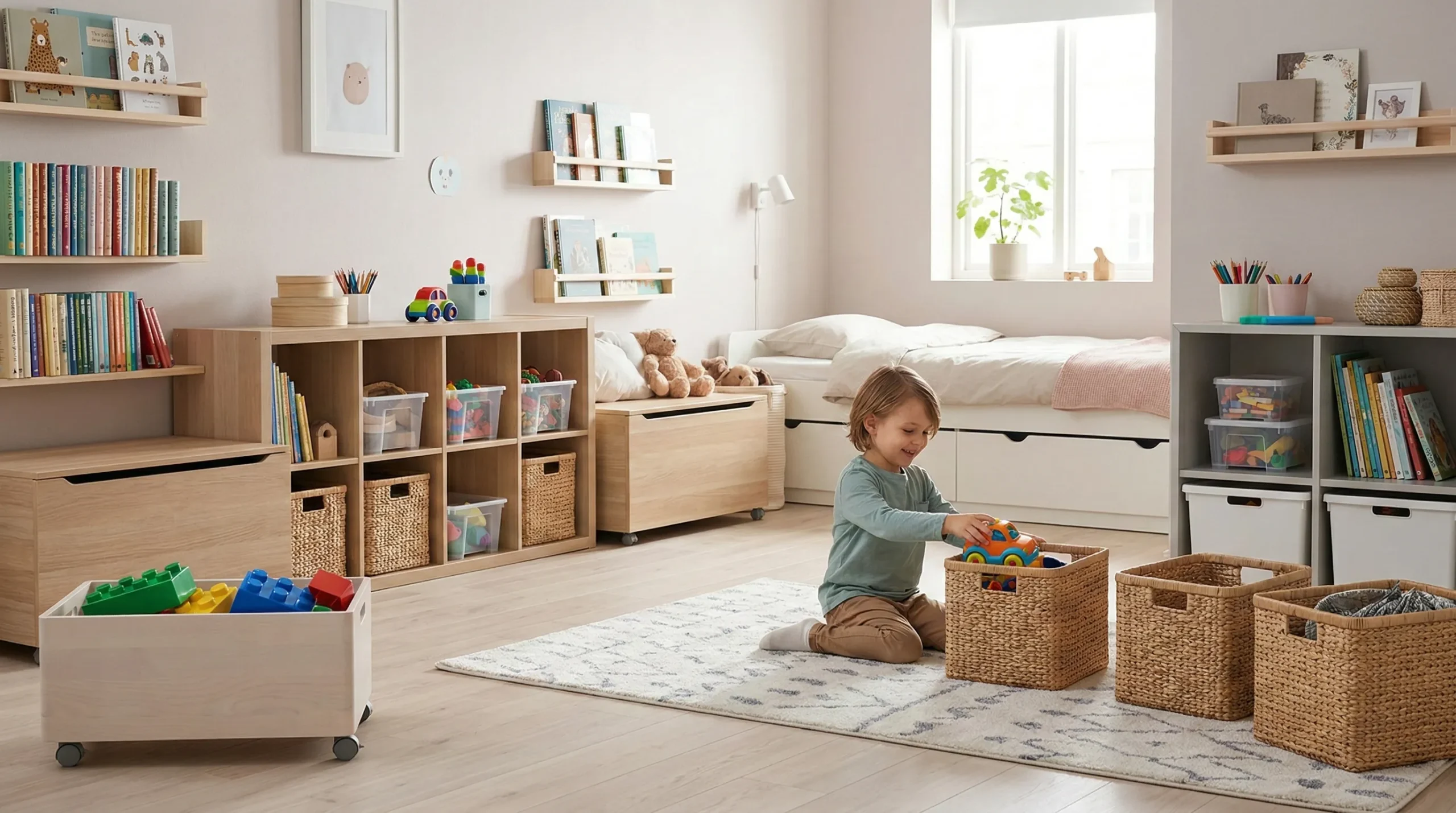
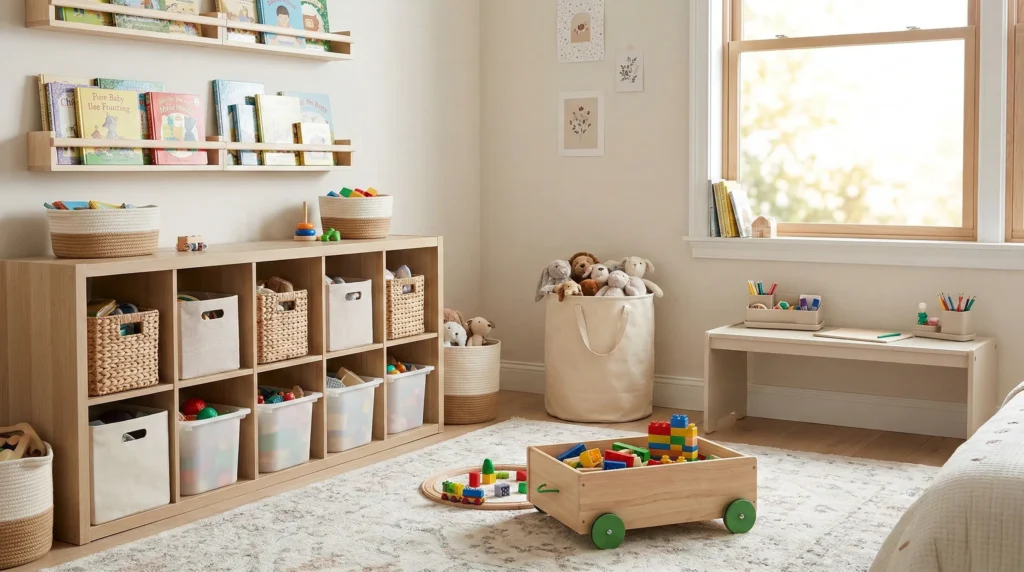
The most reliable toy storage system, across almost every home, is the cubby-and-basket system. A sturdy shelving unit with evenly sized cubbies, combined with baskets or tubs, allows toys to be grouped into simple categories.
This system works because:
- Toys can be thrown in quickly.
- Toys are easy to find.
- The room looks tidy even when toys aren’t perfectly organised.
- Categories can change as your child grows.
- Baskets can be pulled out and carried to the play area.
For younger children, baskets can be labelled with pictures. For older children, simple word labels work. The key is to keep categories broad and realistic.
For example:
- Cars and trucks
- Lego and building
- Dolls and accessories
- Craft and colouring
- Board games
- Dress-ups
- Soft toys
This approach avoids “micro sorting” which is where systems fall apart.
Why toy boxes are only half useful
Toy boxes are a classic choice, but they often become messy. The problem is simple: toy boxes encourage dumping. Children throw everything in, and later they cannot find what they want. They then tip the entire box out onto the floor, and the mess doubles.
Toy boxes can still be useful if they are used for one category only. For example: Soft toys only, Dress-ups only, or Sports toys only. If a toy box is used as a “general everything container,” it will become chaos.
Another important point is safety. Toy boxes with heavy lids can be dangerous for small children. Soft-close hinges or lightweight lids are essential.
Rolling storage bins: excellent for active kids
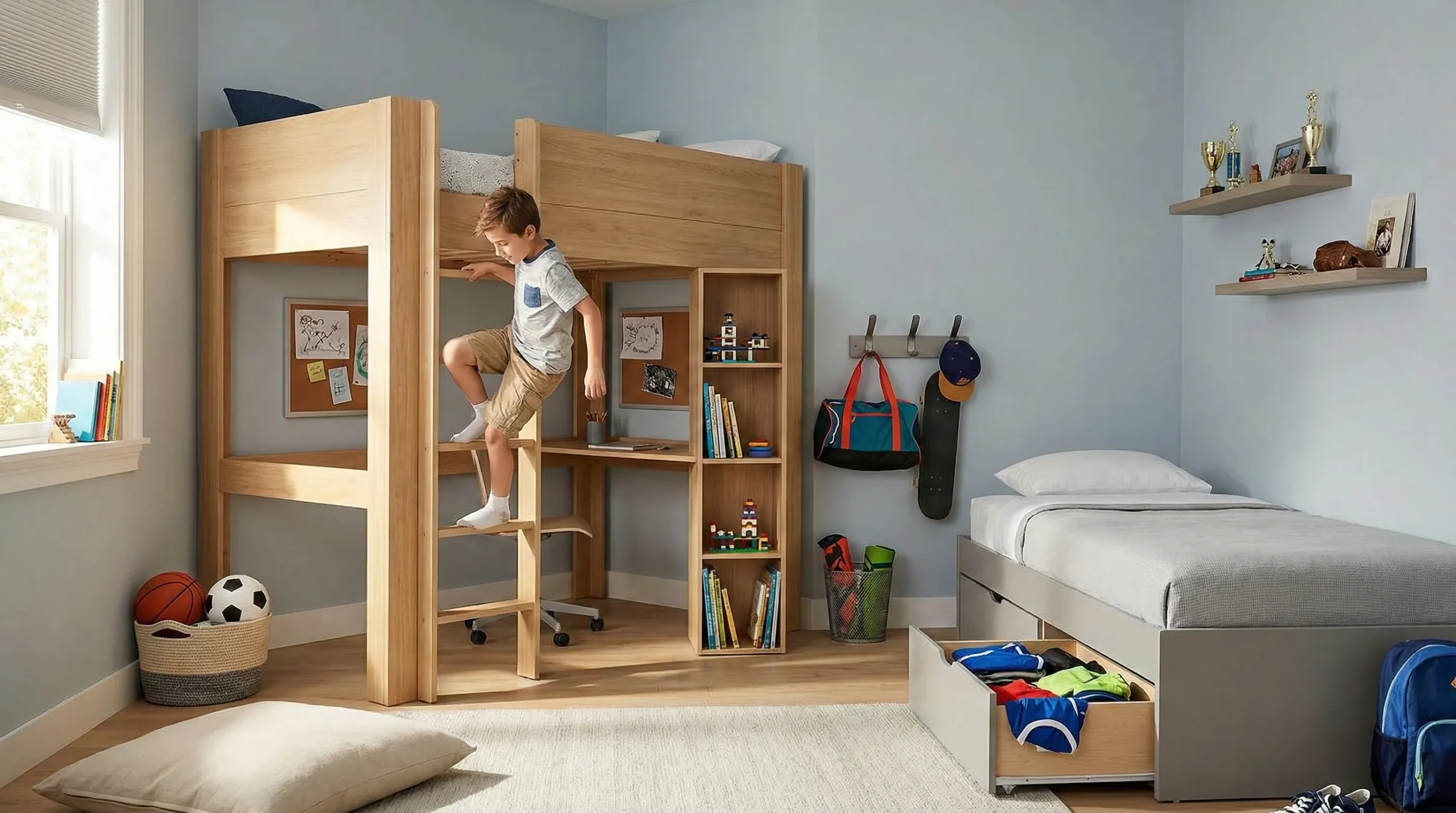
Rolling storage bins are one of the most practical systems for active kids. They allow storage to move to where the play is happening. Rolling storage is ideal for: Lego and building sets, Train tracks, Craft supplies, Large toy collections, and Outdoor gear stored indoors. A rolling bin can slide under a bed, under a desk, or into a wardrobe when not in use. It’s one of the simplest ways to keep floor space clear.
Low shelving is better than tall shelving for children
Parents often buy tall bookcases because they provide maximum storage. But tall shelving is rarely used properly by children, especially younger ones. Low shelving is far more effective because: Children can access it independently, They can see what they have, They can put things away without climbing, and It encourages better habits. Tall shelving can still work, but the top shelves should be reserved for parent-managed storage such as seasonal toys, keepsakes, or items that are rotated.
Toy rotation: the secret weapon for long-term success
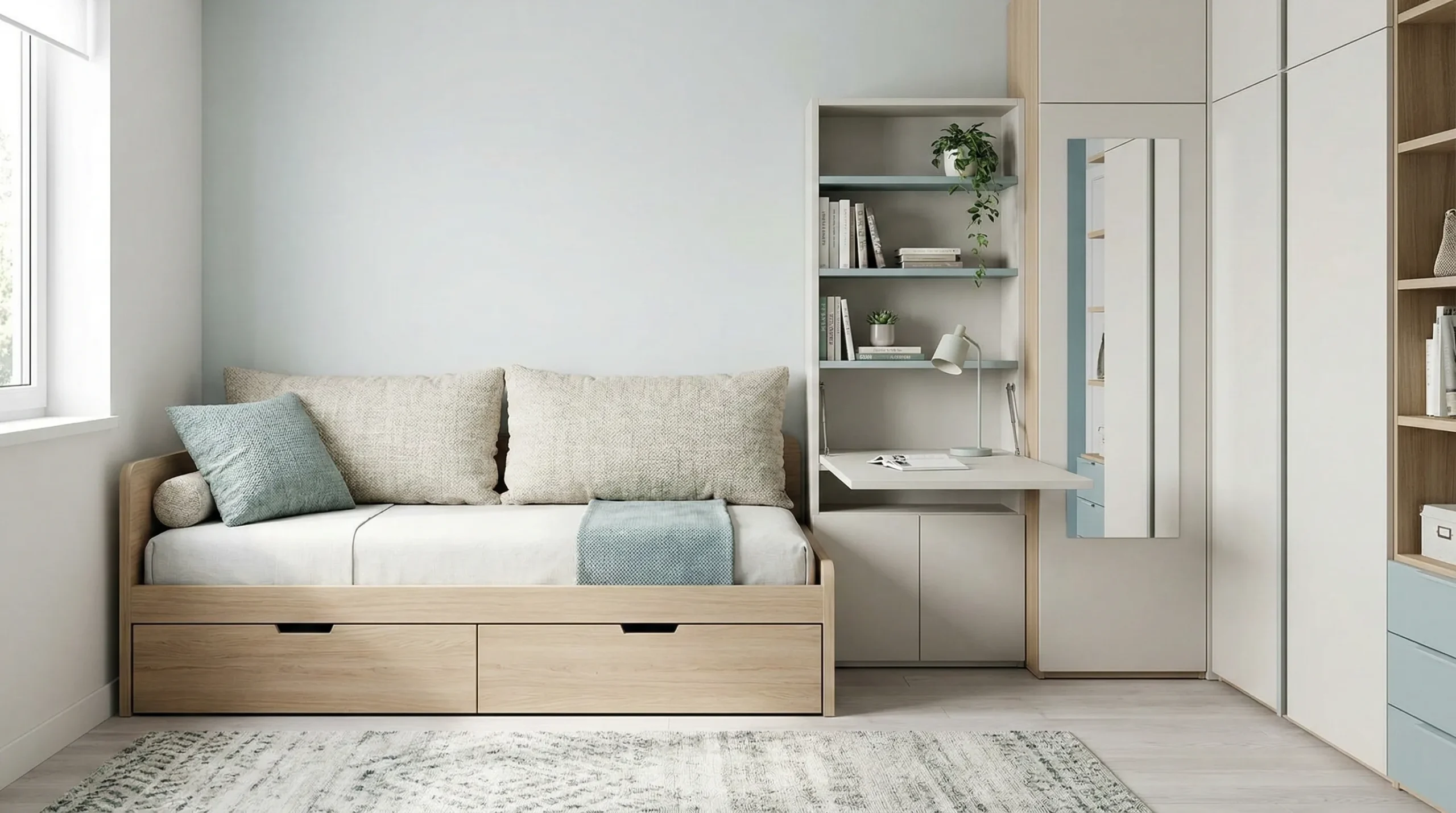
One of the most powerful toy storage strategies is toy rotation. Instead of keeping every toy out all the time, you store some away and rotate them every few weeks. Toy rotation works because: The room stays calmer, Kids don’t feel overwhelmed, Toys become “new” again when they return, and There is less clutter daily. A good toy rotation system might store 30–40% of toys away in a cupboard or under-bed storage. This is also where quality storage furniture becomes important. Beds with drawers or storage benches make rotation much easier.
Safety and durability: toy storage must be strong
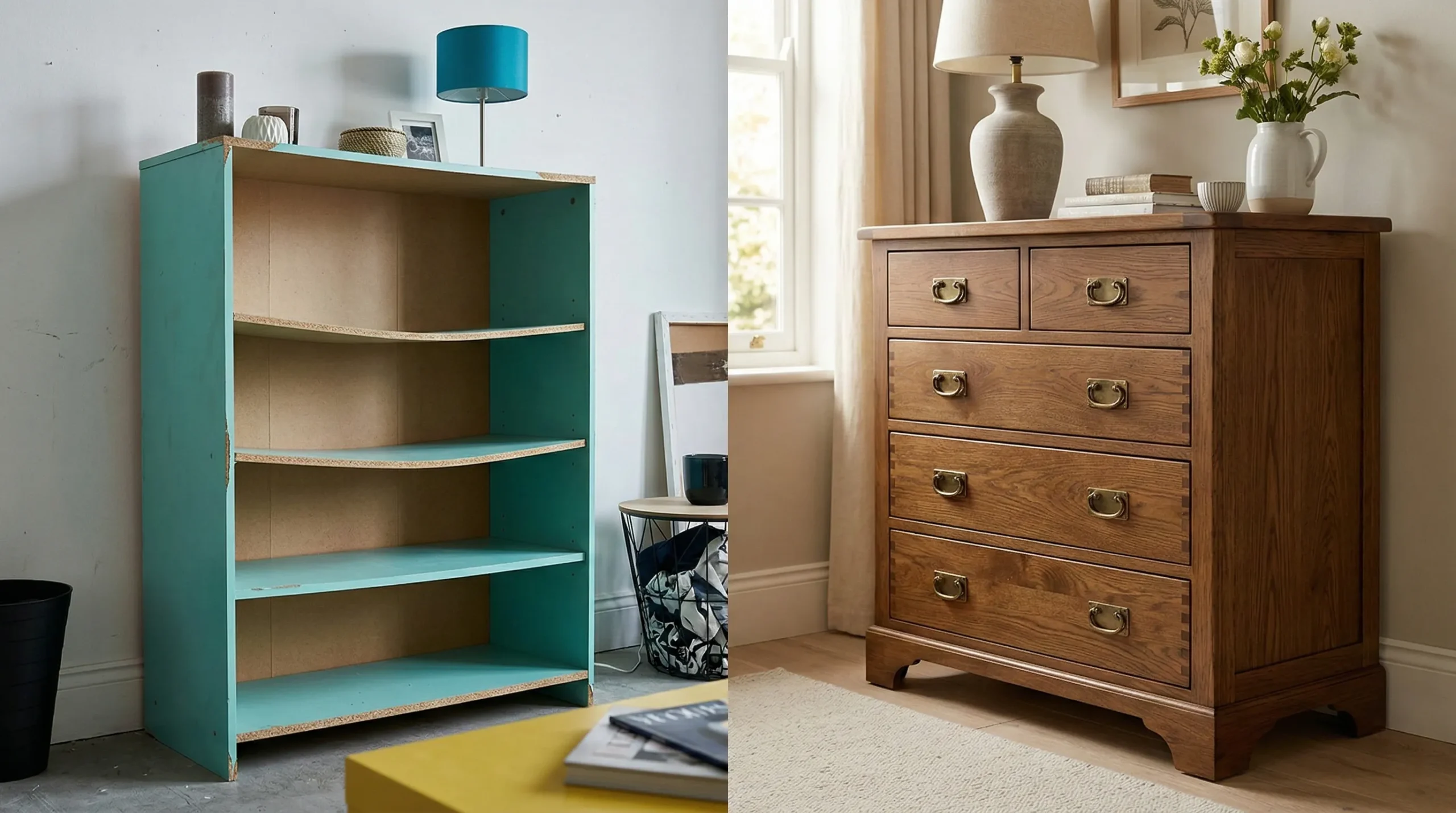
Toy storage is not just about organisation. It’s about safety. Poor-quality shelving can tip over. Weak drawers can collapse. Cheap baskets can tear and spill toys across the floor. A safe toy storage system should include: Sturdy construction, Rounded corners, Wall anchoring for tall furniture, Smooth drawer runners, Non-toxic finishes, and No sharp hardware. If the storage system is flimsy, it will not survive childhood.
The “landing zone” concept: stop clutter before it starts
Toy clutter often begins at the doorway or the bed. Kids walk in and drop items wherever they stand. That is why a toy storage system must include a landing zone. A landing zone might be: A basket near the door, A storage bench at the foot of the bed, or A shelf for school bags and daily items. This prevents toys and random items spreading through the room.
The best storage setup for different age groups
Toy storage should change as children grow.
Ages 2–5
- Large baskets and tubs
- Low open shelving
- Picture labels
- Minimal categories
Ages 6–10
- Cubbies and baskets
- Rolling storage bins
- Dedicated Lego storage
- Better book storage
Ages 11+
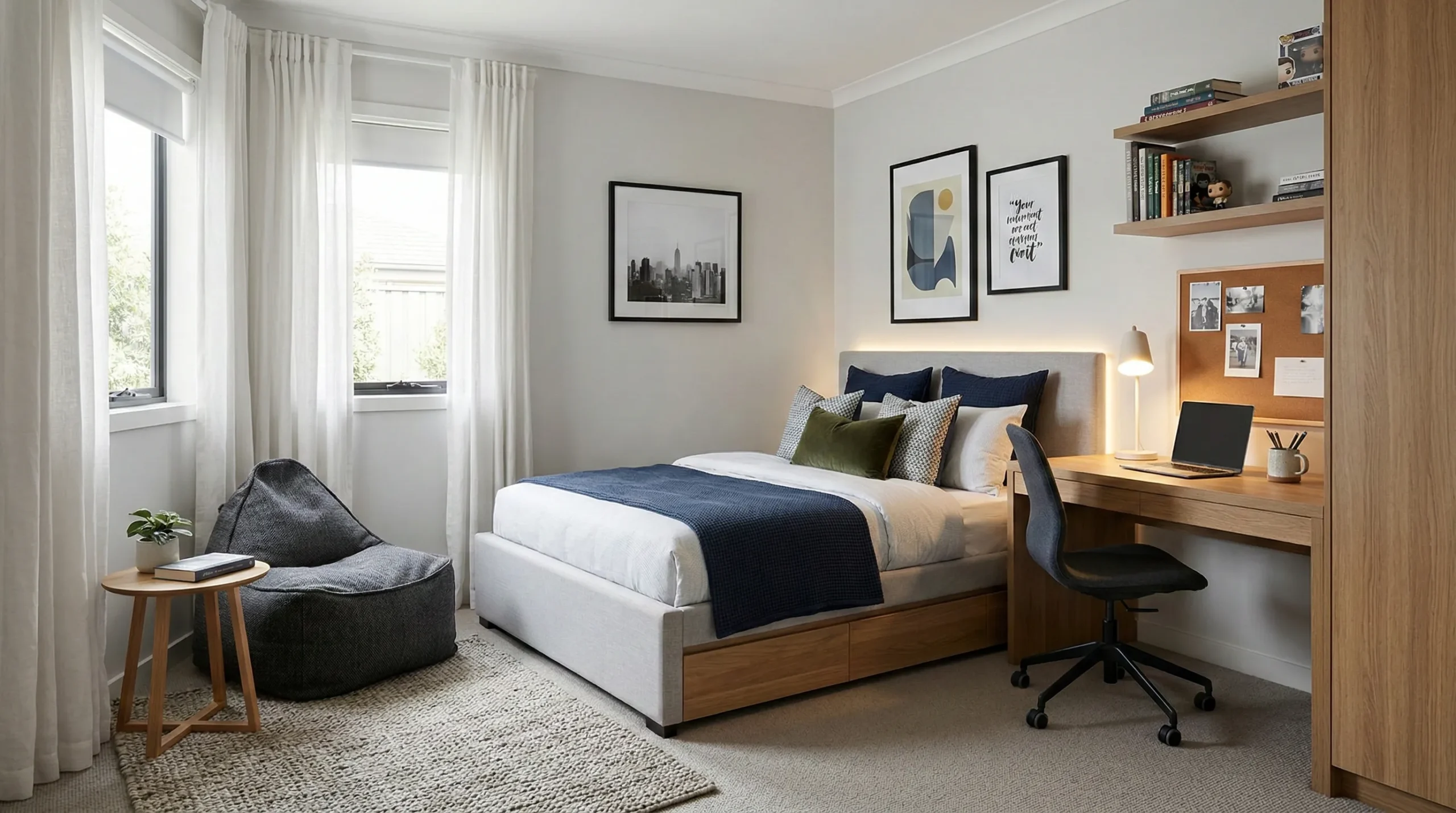
- Closed storage (drawers, cabinets)
- Shelving for hobbies and collections
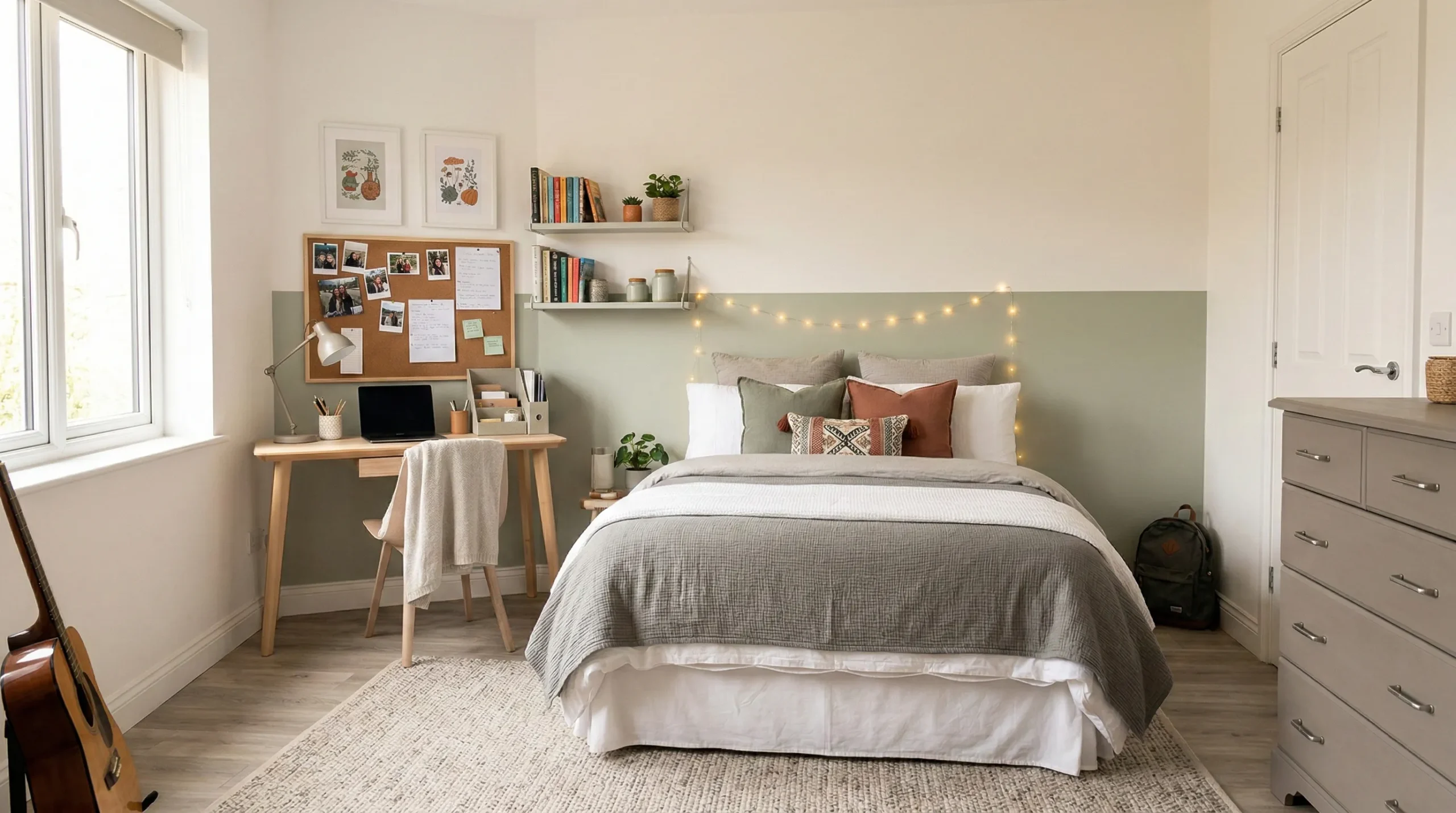
- Desk organisers
- Wardrobe systems for sports gear
Older children tend to want their room to look more “grown up.” This is where closed storage becomes more important.
What to avoid: storage that looks nice but fails
These systems commonly fail: Open shelves without baskets (everything looks messy), Tiny drawers (too small for real toy storage), Overly detailed organisers (kids won’t use them), Cheap plastic tubs that crack quickly, and Large toy boxes with no categories. A good toy storage system must feel easy and natural, not like a chore.
The ideal toy storage system for most bedrooms
In most family homes, the best overall toy storage solution is: A low cubby unit with 6–12 baskets, One large toy box for soft toys only, A rolling bin for Lego or building sets, Under-bed storage for bulky items, and A small shelf or bookcase for books. This combination covers almost every toy category without making the room feel cluttered.
Final thoughts: toy storage is really about habits
A toy storage system isn’t just furniture. It’s a training tool. It teaches children that everything has a place. If you choose the right system, the room becomes easier to clean, calmer to live in, and safer for children to move around in. The best toy storage systems aren’t complicated. They are strong, simple, and designed for real life.
See more at www.maisonclairdelune.com.au.