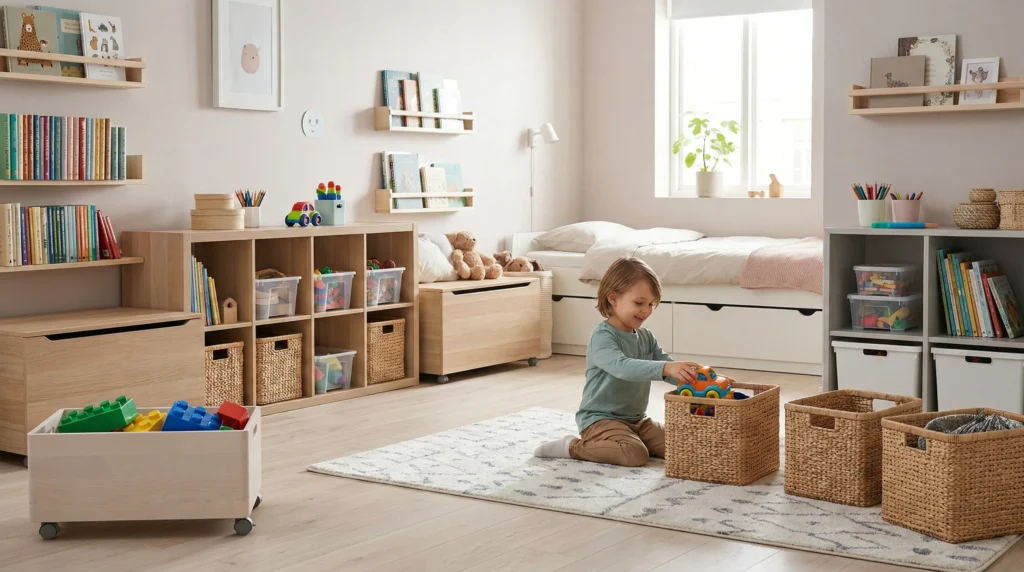

Decluttering a child’s room can feel like one of the most exhausting jobs in a household. It’s not just the physical mess—it’s the emotional side of it. Children get attached to toys they never use. They want to keep everything. Parents feel guilty throwing things away. And if you try to force the process too quickly, it can turn into a battle.
But the good news is this: decluttering does not have to be stressful, and it does not need to be a dramatic “one day clean-out.” In fact, the best decluttering method is a calm, structured approach that teaches children organisation as a life skill, rather than making them feel punished or overwhelmed.
When done properly, decluttering becomes part of building a safer, higher quality living environment for your child—one that supports calm sleep, better concentration, and easier daily routines.
Why clutter creates stress in children (even if they don’t admit it)
Children may not say it, but clutter affects them. A messy room can lead to:
- Difficulty focusing on homework
- Restless sleep
- More frustration and emotional outbursts
- Less enjoyment of toys (because they can’t find what they want)
- Reduced independence (because parents must manage everything)
Clutter also increases safety risks. Toys on the floor cause trips and falls, and overloaded shelves can become unstable. A tidy room isn’t about being “perfect.” It’s about creating a safe and comfortable environment.
The first mindset shift: decluttering is not throwing away memories
Parents often avoid decluttering because they feel they are removing part of their child’s childhood. But decluttering is not about wiping away memories. It is about making space for the child’s current life. A child does not need 200 toys to be happy. They need a room that feels calm, safe, and functional. Decluttering is not a loss—it is an upgrade.
The simple rule that makes decluttering easier
Here is the most effective decluttering rule for kids:
If your child cannot find and enjoy a toy, they effectively don’t own it anyway.
A toy buried in a pile is not bringing happiness. It is only taking space and creating stress. Decluttering is about making the best toys more accessible.
Step one: clear the floor first
The fastest way to reduce stress is to clear the floor. The floor is where kids play, move, and relax. A floor full of clutter creates instant chaos. Start by picking up everything on the floor and sorting it into basic piles:
- Toys
- Clothes
- Books
- School items
- Random objects
Do not sort into detailed categories yet. Keep it simple. Once the floor is clear, the room will already feel better.
Step two: use the “four box method” (without turning it into drama)
This is a traditional method that works extremely well:
- Keep
- Donate
- Store
- Throw away (broken or unusable)
For children, avoid calling it “throw away.” Instead call it “recycle” or “broken items.” This prevents emotional reactions. The key is to do this quickly, not slowly. If children spend too long thinking about every item, they become overwhelmed and defensive.
Step three: reduce toy numbers without your child feeling deprived
A smart way to declutter without stress is to remove items gradually. Instead of forcing a child to donate 50 toys in one day, start with:
- Broken toys
- Toys with missing parts
- Toys they clearly outgrew
- Duplicates
Most children won’t argue about these categories. Once the obvious clutter is removed, you can move to the next stage: toys they no longer use.
The most powerful strategy: toy rotation
Toy rotation is one of the best ways to declutter without emotional conflict. Instead of getting rid of everything, you store some toys away and rotate them later. This works because:
- Children feel they are not “losing” toys
- The room becomes calmer immediately
- Toys become exciting again when rotated back
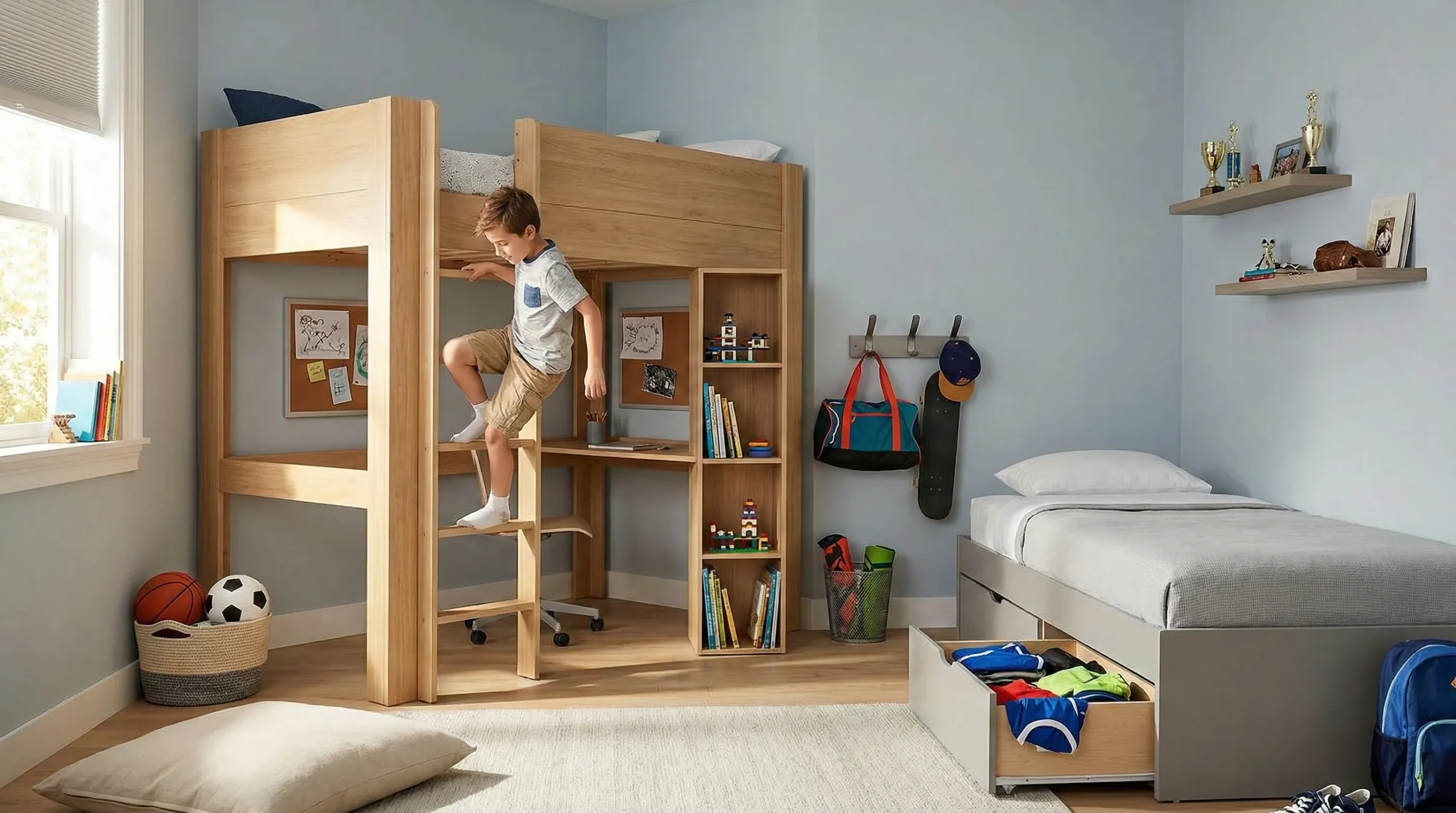
A good toy rotation system might store 30–40% of toys away. Under-bed drawers, storage benches, or wardrobe tubs are perfect for this.
Step four: upgrade storage so clutter doesn’t return
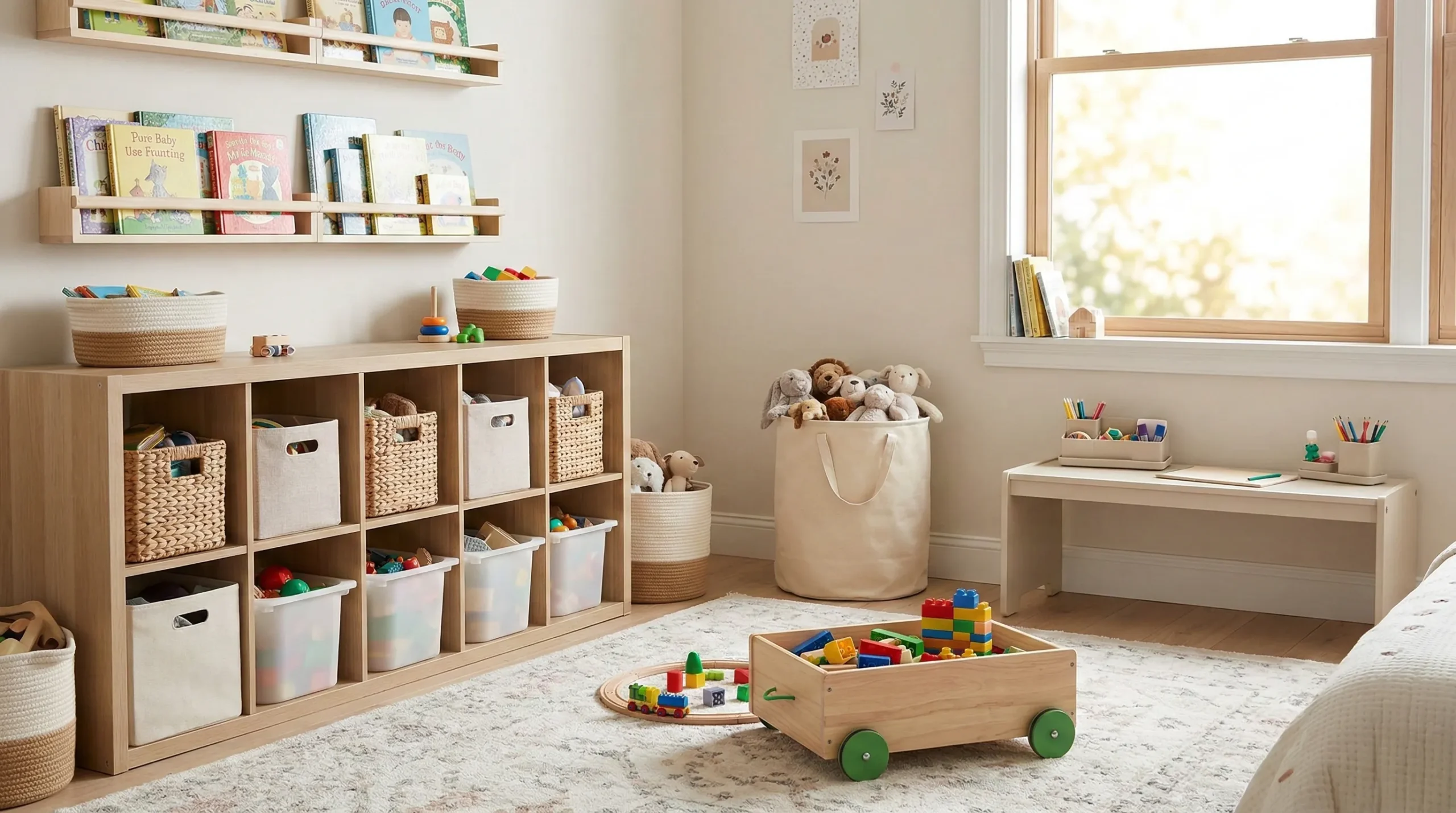
Decluttering fails when the storage system is poor. A child’s room must have storage that is: Easy to access, Easy to use, and Easy to reset daily. The best systems include:
- Cubbies with baskets
- Rolling storage bins
- Large drawers
- A toy box for soft toys only
- A bookshelf that is stable and safe
A common mistake is buying complicated organisers with small compartments. Children won’t use them consistently. Simple storage wins every time.
Teaching kids organisation through “smart storage” systems
The goal isn’t just to clean the room. The goal is to teach organisation habits. Children learn best when systems are visual and easy. Smart systems include:
- Labels on baskets
- Colour coding (for younger kids)
- A clear “home” for each category
- A weekly tidy routine
- A daily “reset rule” before bed
The daily reset rule is powerful. It means:
Before bed, everything goes back in its place.
This takes 3–5 minutes if the storage system is right. If the system is wrong, it takes 30 minutes and becomes a fight.
The “one shelf rule” for special items
Many children have collections: trophies, Lego creations, special toys, or memorabilia. Instead of letting these items spread everywhere, create one dedicated shelf. The rule is:
Everything special must fit on this shelf.
This teaches children a valuable lesson: space is limited, and organisation is about choices. It also keeps the room tidy without removing their personal treasures.
Decluttering clothes: the hidden mess
A child’s room often looks messy because of clothing, not toys. Decluttering clothing is often easier than toys because children outgrow items quickly. A good clothing declutter approach is:
- Remove anything too small
- Remove anything damaged
- Remove anything they refuse to wear
- Organise into simple wardrobe zones
For wardrobes, the best systems include drawers, tubs, and hanging space that the child can reach. When children can access their clothing properly, they stop dumping clothes on the floor.
Reducing stress through layout
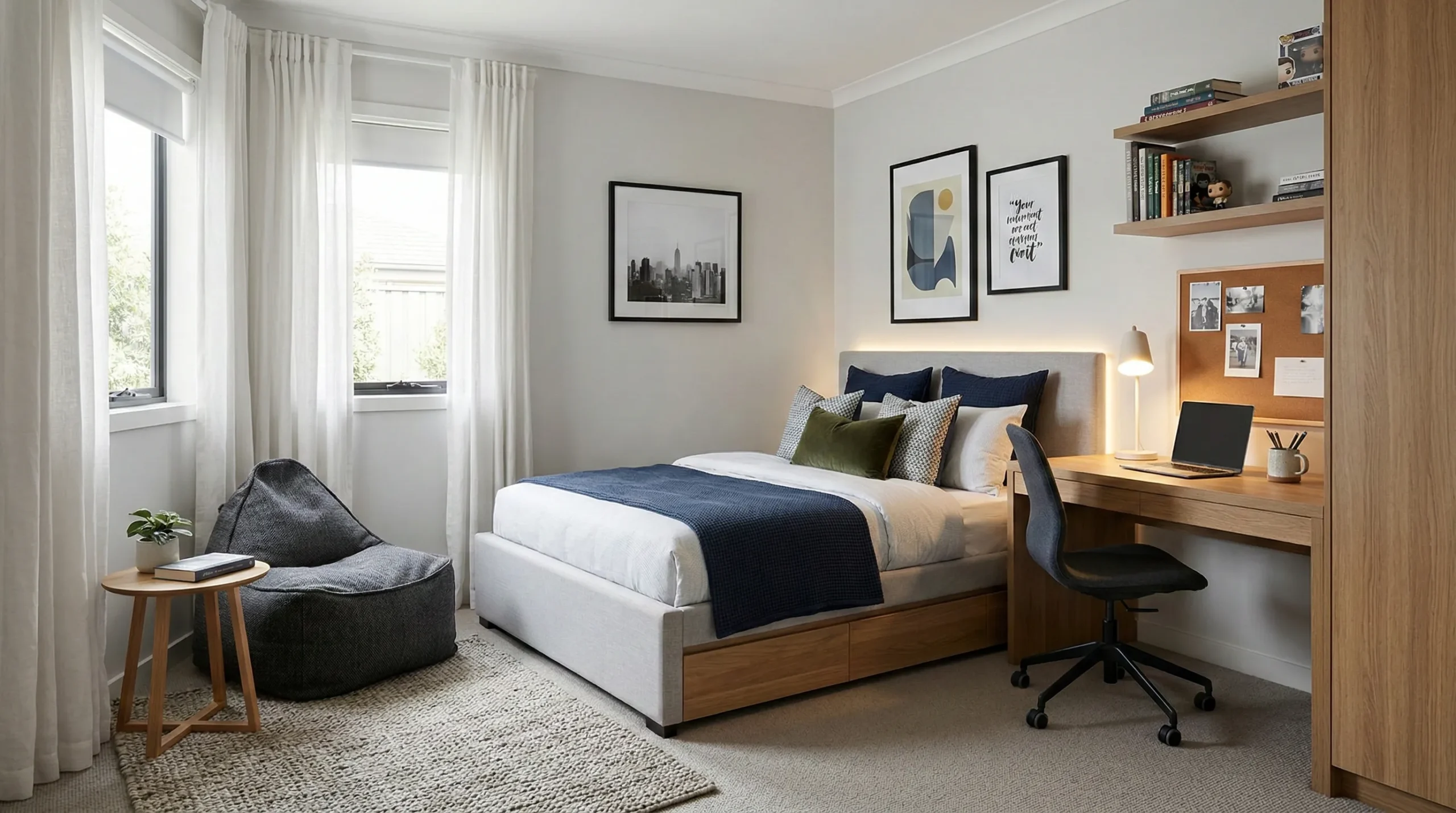
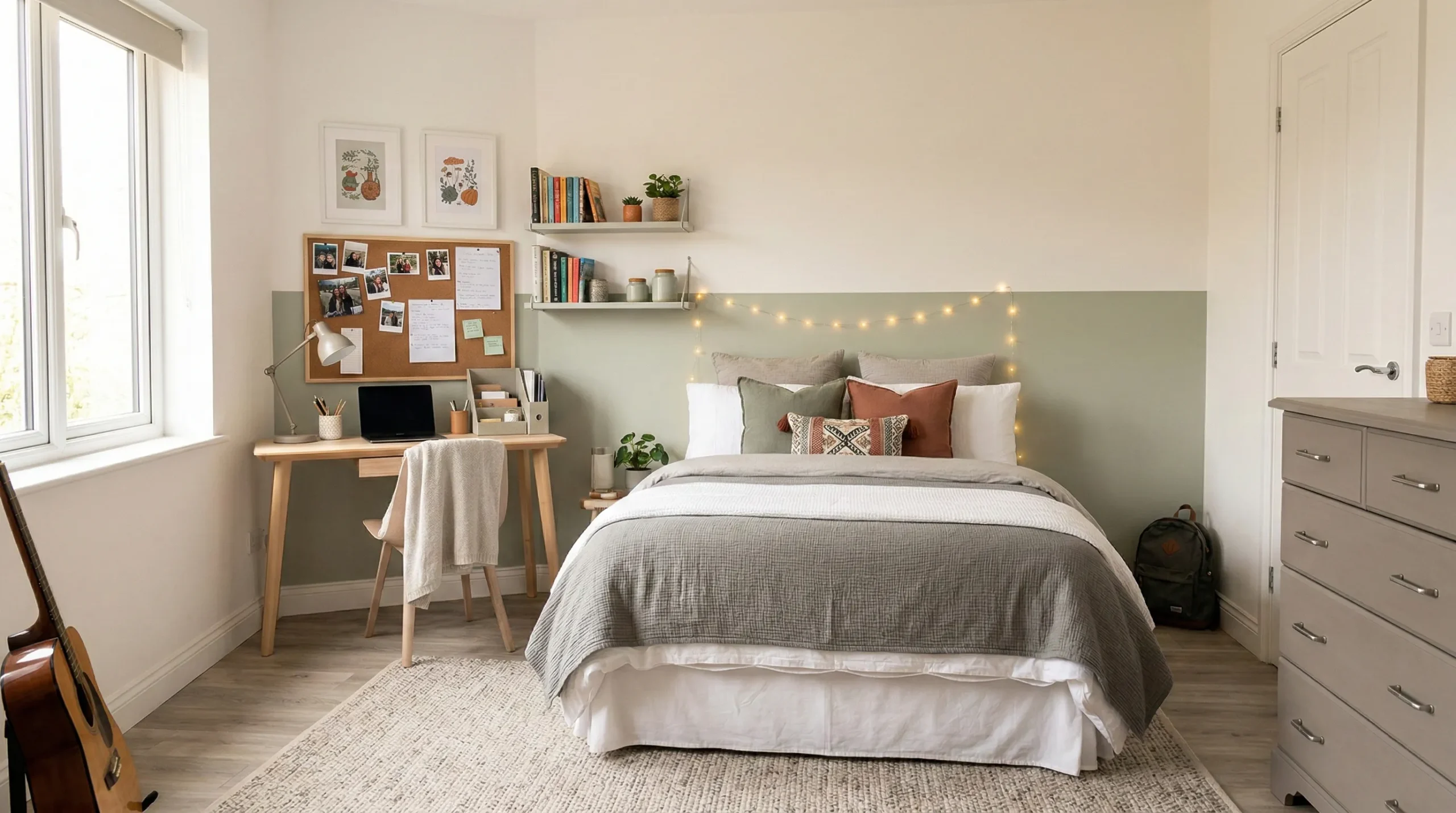
Furniture layout is part of decluttering. If the room has too much furniture, it will feel cluttered even when tidy. A smart layout includes:
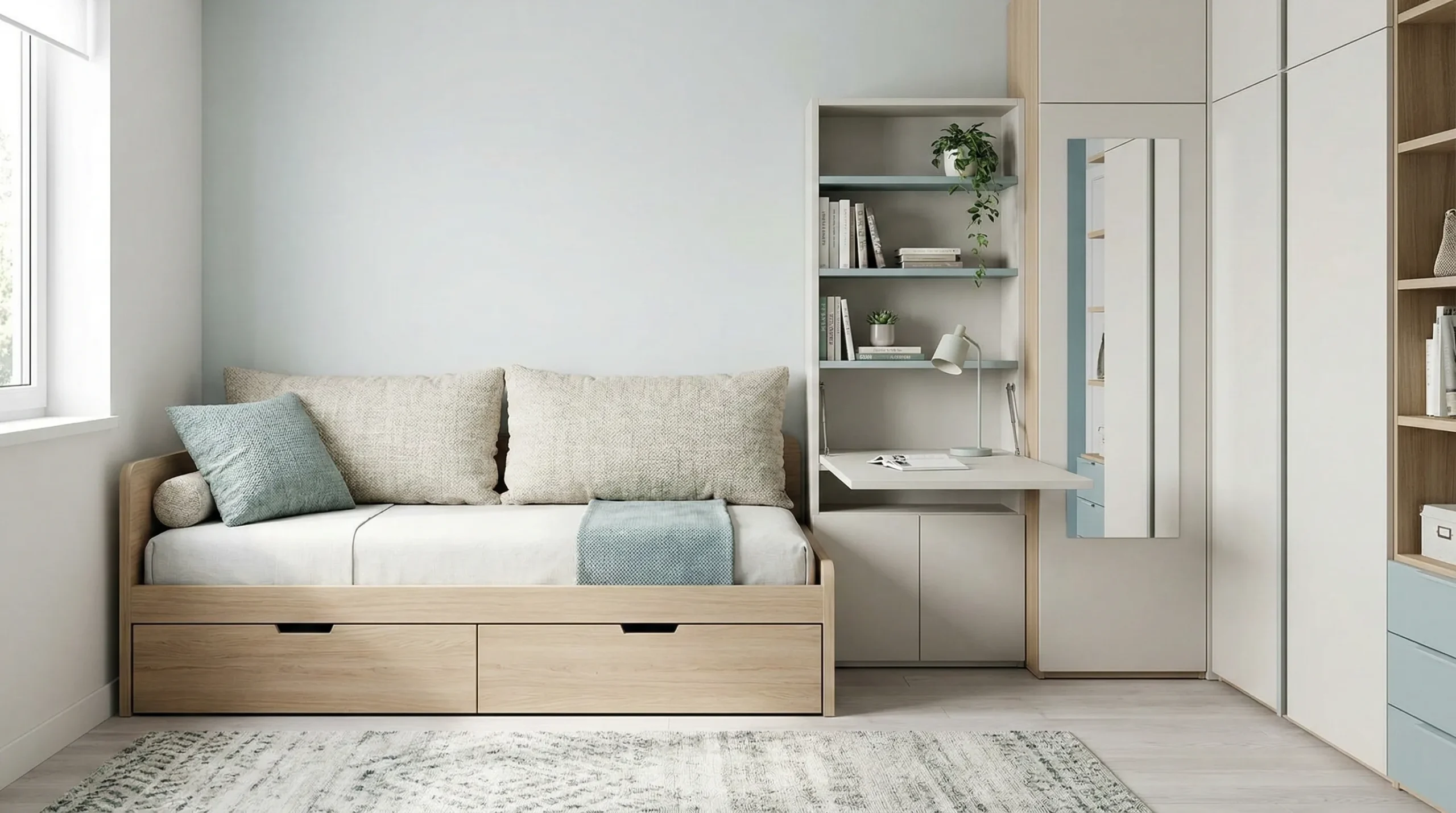
- A bed with storage
- A slim desk with shelves
- A wardrobe system with drawers
- One main toy storage unit
- Open floor space
The goal is to remove unnecessary furniture and replace it with multi-purpose furniture. This is where “smart furniture” truly improves quality of life.
Safety and quality: why decluttering matters
Decluttering is not only about neatness. It improves safety. A cluttered room increases risks such as:
- Trips and falls
- Broken toys causing injury
- Furniture tipping hazards
- Poor airflow and dust buildup
- Stress and restlessness
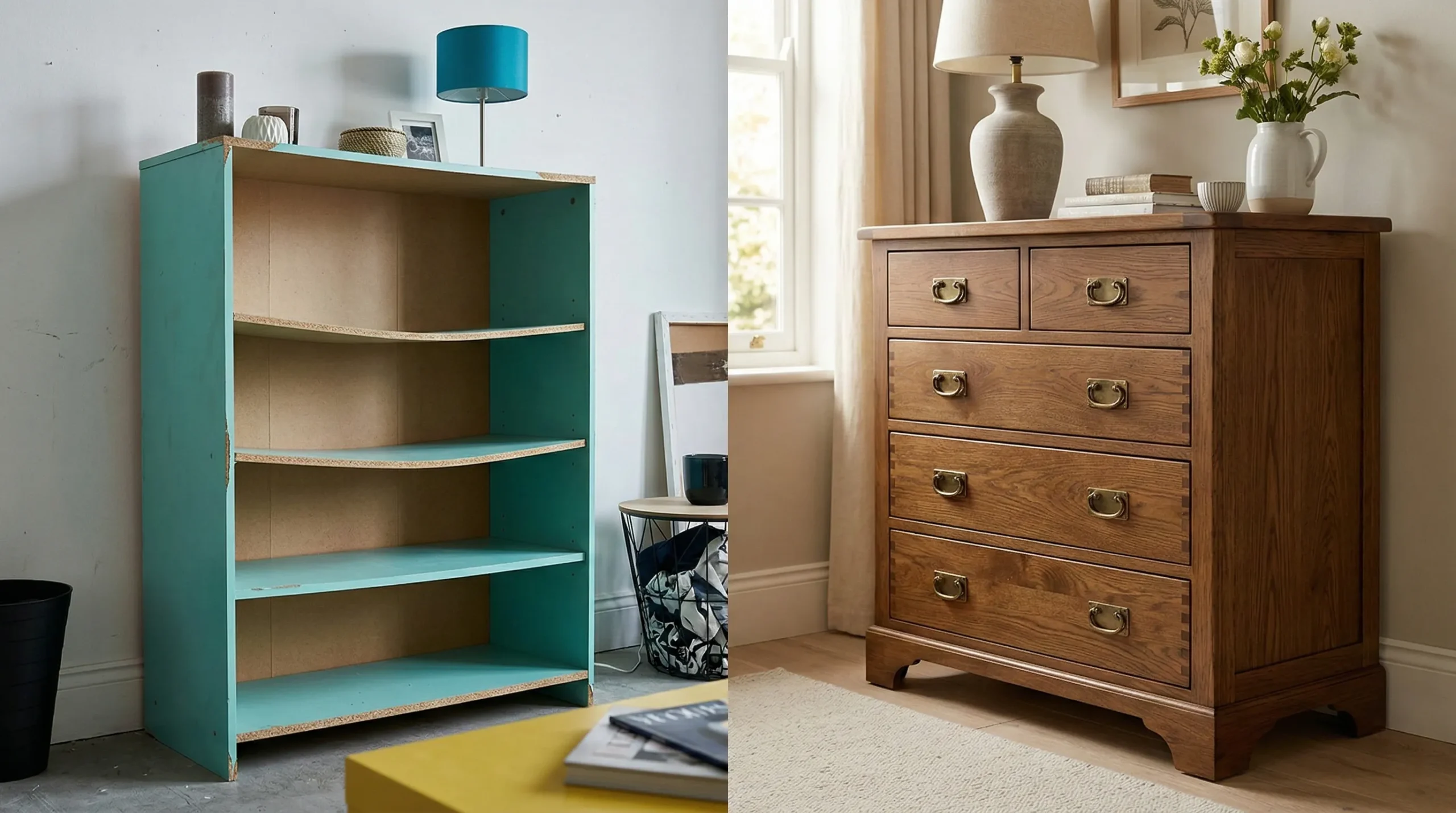
A clean, organised room is healthier and safer for children. High-quality furniture also matters. Strong storage units and stable shelving are safer than flimsy cheap pieces that can collapse or tip.
The best way to keep the room tidy long term
Decluttering only lasts if you create habits. The simplest long-term routine is:
- Daily 3-minute reset
- Weekly 15-minute tidy
- Monthly donation bag check
This keeps clutter from building again. Children learn that tidying is not a punishment. It’s just part of normal life.
Final thoughts: a calm room builds calm kids
Decluttering a child’s room should never feel like a battle. It should feel like improving their environment. When you use smart storage, strong furniture, and simple systems, you don’t just create a tidy room—you teach your child a skill that will benefit them for life. Organisation is not about perfection. It’s about creating order that supports daily life. And once a child experiences the calm feeling of a clean, well-organised room, they usually want to keep it that way—because it feels better to live in.
See more at www.maisonclairdelune.com.au.