
When furnishing children’s and teenagers’ rooms, quality and safety must take precedence over appearance. Attractive styling may capture attention, but it is the unseen structure and construction that determine durability, stability and long-term value. This category is designed to help parents and renovators understand how to assess furniture properly before committing to purchase.
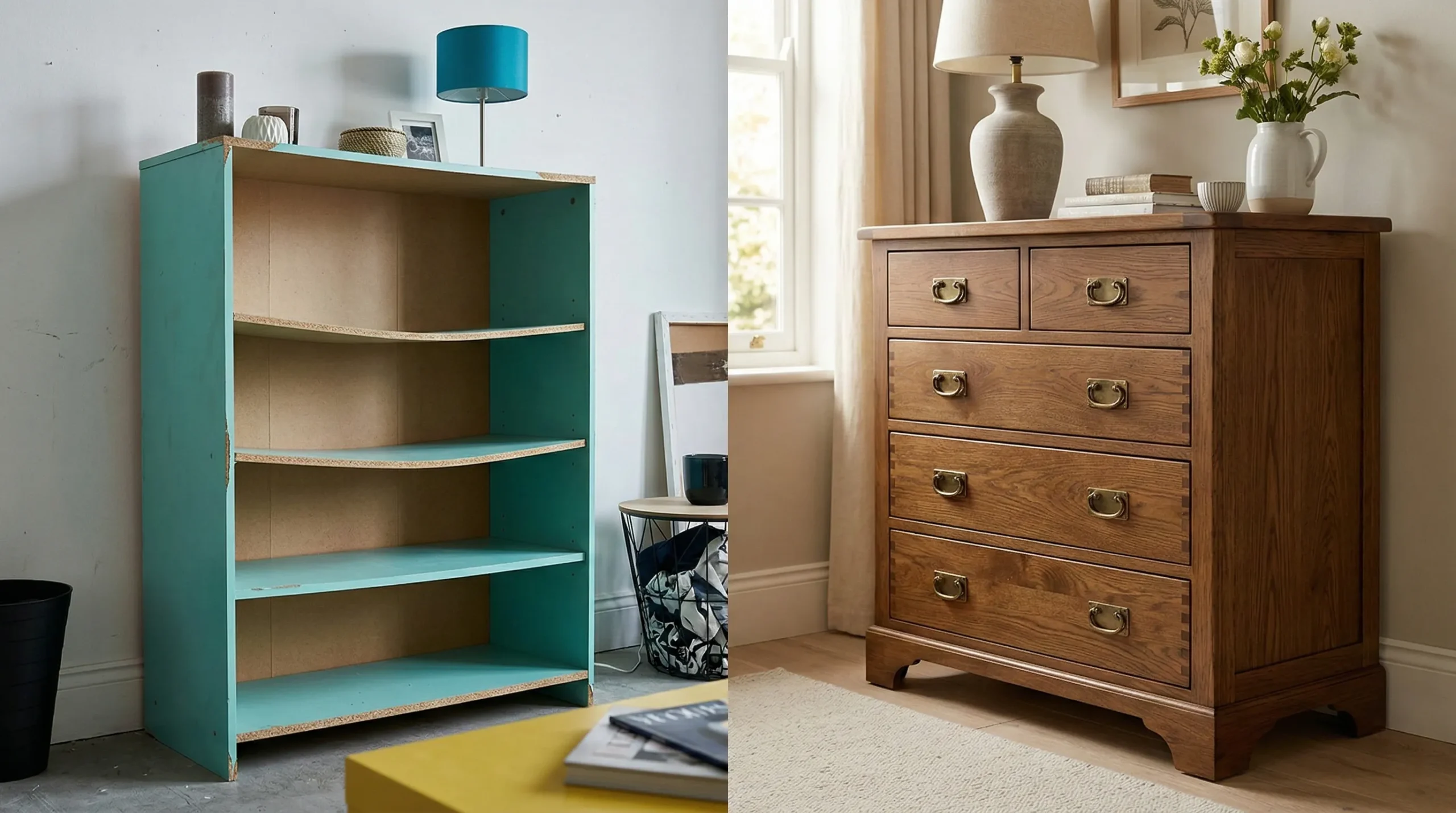
Children’s furniture experiences constant use. Beds are climbed on. Drawers are opened and closed repeatedly. Desks support books, devices and study materials daily. Inferior construction reveals itself quickly under these conditions. Solid framing, reinforced joints and stable bases are essential fundamentals.
A well-constructed bed should feel firm and stable, without creaking or movement. Slats must be properly supported. Fixings should be secure and concealed where appropriate. Understanding these basics prevents the disappointment of premature wear or structural failure.
Drawer systems deserve careful evaluation. Quality drawer runners operate smoothly and carry weight without sticking. Hinges should open and close consistently. Cabinet doors must align correctly and remain stable over time. These details indicate whether furniture has been built with care or assembled cheaply.
Surface finishes also play a critical role. Children’s rooms demand easy-clean materials that resist scratching and staining. Finishes should be properly sealed and safe for indoor use. A well-finished surface not only protects the furniture but maintains its appearance across years of daily activity.
Safety considerations extend beyond materials. Furniture should be stable and proportioned correctly to reduce tipping risk. Taller storage units may require anchoring. Corners and edges should be thoughtfully finished. Stability is not optional — it is fundamental.
Parents often assume all furniture meets adequate safety standards. However, understanding how to inspect structural integrity, weight capacity and hardware quality provides confidence. Knowledge allows you to distinguish between genuine craftsmanship and superficial presentation.
Durability also affects long-term financial sense. Well-made furniture reduces replacement frequency. It retains its appearance and function. Over time, this represents better value and less disruption.
This category exists to strengthen your judgement. By learning what constitutes quality construction and safe design, you are better equipped to make informed decisions. Education protects both your investment and your family’s wellbeing. Sound knowledge leads to sensible purchasing and lasting satisfaction.
Furniture is one of the few things we buy that should last for many years,